Balanced Diet Benefits for Pet Health in Nigeria Explained
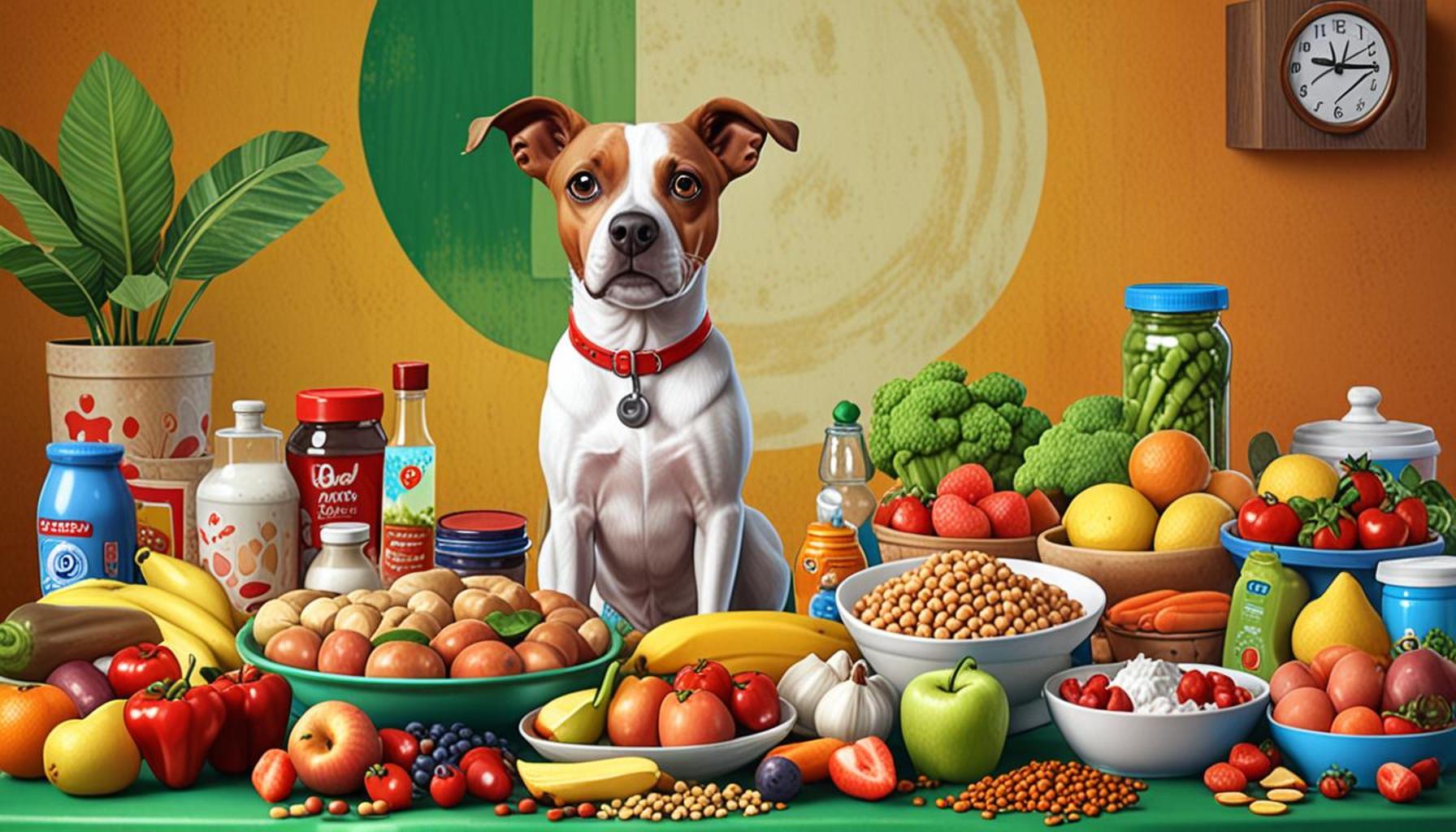
Understanding the significance of a balanced diet is crucial not only for humans but also for our furry companions. In Nigeria, where pet ownership is rising rapidly, the health and well-being of pets are becoming a priority for many families. Choosing the right foods can dramatically impact the longevity and quality of life of pets.
Pet owners often overlook the vital components that contribute to a pet’s nutritional needs. A proper diet ensures that pets receive the necessary vitamins, minerals, and nutrients essential for their overall health. In this article, we will explore the consequences of inadequate nutrition and highlight the top five benefits of a balanced diet for pets in Nigeria.
As we delve deeper into these topics, you’ll discover how simple adjustments in your pet’s diet can lead to substantial improvements. Get ready to learn about essential dietary components that can transform your pet’s health and happiness!
Top 5 Reasons Why a Balanced Diet is Essential for Pet Health in Nigeria
Ensuring that our pets receive a proper diet is one of the most significant aspects of responsible pet ownership, especially in diverse regions like Nigeria. The nutritional needs of pets can greatly influence their overall health, behavior, and longevity. Below, we explore the top five reasons why maintaining a balanced diet is crucial for pets, specifically within the Nigerian context.
5. Improved Energy Levels
A balanced diet provides pets with the necessary nutrients to sustain their daily activities. Energy levels are crucial for maintaining an active and engaged lifestyle. In Nigerian homes, where pets often serve multiple roles—companionship, security, and sometimes support in agriculture—ensuring they possess adequate energy is vital.

Pets such as dogs may assist in herding or guarding livestock. Cats could play a significant part in controlling pests. These jobs require sustained energy, which stems from a diet rich in proteins, fats, carbohydrates, and essential vitamins and minerals. Foods like lean meats, fish, grains, and vegetables can ensure that pets receive balanced nutrition.
In contrast, a diet lacking in diversity and nutrients may lead to fatigue and lethargy. A dog that appears sluggish might simply need a diet reassessment. Pet owners, therefore, need to be perceptive, observing changes in behavior and adjusting diets accordingly to keep their pets’ energy levels optimized.
4. Prevention of Obesity
Obesity is an escalating concern for pets worldwide, and Nigeria is no exception. Easily accessible commercial pet foods and treats, while convenient, might not always adhere to nutritional standards and can inadvertently contribute to obesity if not managed carefully. Pet owners often struggle with understanding portion sizes and the nutritional content of pet foods.
A balanced diet is fundamental for weight management. Obesity doesn’t just affect a pet’s appearance—it’s linked to severe health issues such as diabetes, joint problems, and cardiovascular diseases. Educating pet owners on the caloric needs of different breeds and life stages is imperative.
- Regular veterinary consultations can help establish optimal portions.
- Incorporating physical activities like walks or playtime can enhance metabolic health.
- Choosing whole, natural foods over processed meals when possible can make a notable difference.
Understanding the balance in feeding—a controlled mixture of nutrients tailored to their size, weight, and activity level—is key to combating the obesity epidemic among pets.
3. Strong Immune System
Much like humans, pets rely on a strong immune system to fend off a variety of illnesses and infections. This is especially pertinent in Nigeria, where environmental factors might increase exposure to pathogens.
Several nutrients are renowned for their immune-boosting properties. Vitamins C and E are antioxidants that protect cells. Zinc keeps various bodily functions running optimally. Additionally, omega-3 fatty acids found in fish oil can decrease inflammation. A balanced diet rich in these nutrients can enhance the immune function of pets, making them less susceptible to diseases.
Developing a robust immune system ensures pets lead longer, healthier lives. Observing dietary components and consulting veterinarians for supplements when necessary can largely contribute to improving your pet’s immunity.
2. Healthy Skin and Coat
A pet’s appearance often mirrors its overall health status. Dull fur and skin issues are overt signs of nutritional deficiencies. Essential fatty acids, proteins, and micronutrients are critical in promoting skin health.
Feeding pets a balanced diet promotes healthy skin and a shiny coat. For dogs and cats living in Nigeria, where climatic conditions can vary vastly across regions, exposure to heat and humidity might exacerbate skin-related issues.
- Incorporating foods like fish, eggs, and leafy greens can improve coat condition.
- Ensuring hydration is crucial, as ample water intake aids in maintaining skin elasticity.
- Regular grooming combined with an appropriate diet will prevent issues such as dandruff and irritation.
The care and attention to dietary needs reflect not just in the glossy shine of a coat but in the reduction of dermatological issues, making pets more comfortable and content.
1. Longevity and Quality of Life
Ultimately, the most compelling reason for providing pets with a balanced diet is the significant impact it has on their lifespan and overall quality of life. A balanced diet can extend a pet’s life and enhance their happiness. By fostering a nutrient-rich diet, owners do not just keep pets physically healthy but also mentally stimulated.
This investment in quality food aligns closely with other pillars of pet care—regular veterinary check-ups, vaccinations, and exercise. These aspects collectively contribute to a pet’s happiness and overall well-being.
Pet owners who understand and adapt to the specific dietary requirements of their pets, considering factors like breed, age, and activity level, offer their beloved animals the best chance for a long, fulfilling life. This nurturing goes beyond merely feeding; it’s about observing, adjusting, and caring deeply.
In conclusion, a balanced diet is not merely about preventing illnesses but rather ensuring that our beloved pets thrive. As Nigerian pet owners, understanding nutritional needs can make all the difference in fostering healthy, happy companions. Always consult with a veterinarian for tailored dietary advice suited for your pets’ specific needs, ensuring a partnership in promoting optimal pet health.
In Nigeria, the significance of a balanced diet for pets transcends mere supplementation; it embodies a commitment to improving the well-being of these beloved companions. Veterinary research indicates that an imbalance in pet diets can lead to chronic health issues, impacting not only individual animals but also the overall pet population health in urban and rural settings alike. Such insights are pivotal for pet owners who seek the best care for their animals, facilitating a deeper understanding of nutritional needs that vary by breed, age, and health status.
Moreover, it is essential to highlight the role of local ingredients in crafting a nutritious pet diet. Traditional Nigerian foods, including rice, beans, and vegetables, can be incorporated into pet meals to provide natural nutrients, as long as they are adequately balanced and tailored to meet specific dietary requirements. This approach not only enhances the nutritional value of a pet’s diet but also encourages sustainable practices among pet owners, emphasizing the importance of using locally sourced products.
The influence of commercial pet food brands is another aspect requiring attention. While many pet owners rely on established brands for their pets’ nutrition, awareness about the content of these products is crucial. Understanding the ingredients can help owners make informed decisions, steering clear of those that contain excessive fillers or artificial additives that may not align with their pets’ health needs. Educating pet owners on reading labels and recognizing quality ingredients empowers them to advocate for better dietary practices.
Additionally, the role of regular veterinary check-ups cannot be overstated. These appointments are golden opportunities for discussing dietary choices with professionals who can assess pets’ health and recommend appropriate diets based on specific needs. Regular examinations allow for the early detection of nutritional deficiencies or medical conditions that might arise from an unbalanced diet, ensuring pets receive timely interventions.
It is also important to highlight how community initiatives can promote better knowledge of pet nutrition. Awareness campaigns, workshops, and partnerships with veterinary clinics aim to educate pet owners about balanced diets, encouraging responsible pet ownership and fostering a healthier environment for pets across Nigeria. By establishing a collective effort to share information and resources, communities can collectively enhance the quality of life for their pets, leading to happier and healthier companions.
In essence, a balanced diet is not just a necessity; it is a commitment to a lifestyle that prioritizes the well-being of pets in Nigeria. Through community education, informed choices, and regular veterinary care, pet owners can ensure that they are providing the best possible nutrition for their furry friends, significantly impacting their overall health and longevity.
| Category | Advantage |
|---|---|
| Nutritional Awareness | Understanding the role of diet in preventing health issues leads to proactive pet care. |
| Local Ingredients | Incorporating local foods provides essential nutrients and supports sustainability. |
| Quality Control | Making informed decisions about commercial pet foods can prevent health risks. |
| Community Initiatives | Educational campaigns foster a society that values and promotes pet health and nutrition. |
Frequently Asked Questions About Pet Nutrition in Nigeria
Why is a balanced diet crucial for pets in Nigeria?
A balanced diet is essential for pets just as it is for humans. It provides the necessary nutrients required for maintaining optimal health. In Nigeria, where climates can be challenging, a well-rounded diet helps pets adapt and thrive. Ensuring your pet consumes the right mix of proteins, fats, carbohydrates, vitamins, and minerals can prevent a range of diseases and promote longevity. Importantly, dietary balance can also impact a pet’s energy levels, coat shine, and overall behavior.
What are common dietary deficiencies in Nigerian pets?
Due to the availability and reliance on certain food types, Nigerian pets might face deficiencies in proteins or specific vitamins and minerals. Many pet owners in Nigeria opt for homemade diets, which can inadvertently lack essential nutrients. Common deficiencies include inadequate omega-3 fatty acids, which are vital for a healthy coat and skin, and certain micronutrients that are crucial for bone health and metabolic functions. Recognizing these deficiencies early can prevent potential health issues.
How can pet owners ensure their pet’s diet is truly balanced?
Ensuring a pet’s diet is balanced requires a proactive approach. Consulting with a veterinarian can provide guidance on nutritional needs based on the pet’s breed, age, and activity level. Additionally, integrating high-quality commercial pet foods as a supplement to home-cooked meals can ensure nutritional requirements are met. Pet owners should also stay informed about the nutritional value of available food products and be vigilant about changes in their pet’s health or behavior, which might indicate dietary adjustments are needed.
What impact does the local climate have on pet nutritional needs in Nigeria?
The climatic conditions in Nigeria, which range from humid to arid regions, can significantly influence a pet’s nutritional needs. For instance, pets in hotter areas might require more water and hydrating foods to maintain bodily functions and prevent dehydration. Furthermore, the energy demands might increase due to higher activity levels during cooler months, necessitating more calorie-dense food sources. Understanding the climate’s impact and adjusting the diet accordingly is a key responsibility for pet owners.
Are there any traditional Nigerian foods safe for pets?
Some traditional Nigerian foods can be incorporated safely into a pet’s diet, but owners must exercise caution. For example, cooked meats such as fish or chicken can be excellent protein sources. However, foods seasoned heavily or containing onions, garlic, or excessive oils should be avoided due to potential toxicity or health issues. Before introducing any new foods, consulting with a veterinarian can ensure they are safe and beneficial for the pet’s health.
Conclusion: The Role of a Balanced Diet in Nigerian Pets’ Health
The importance of a balanced diet for pets is an increasingly pertinent topic in Nigeria, a nation where pet ownership is growing steadily. As we explore this subject, it’s crucial to understand that providing our pets with proper nutrition is vital for their health and longevity. From boosting the immune system to promoting healthy digestion, a balanced diet plays a pivotal role in their overall wellbeing.
Firstly, a balanced diet can enhance natural immunity, helping pets fight off infections and diseases. This is particularly important in regions where access to veterinary care may be limited or costly. Moreover, the integration of essential nutrients, such as proteins, carbohydrates, vitamins, and minerals, is indispensable for maintaining a pet’s energy levels and supporting growth and development.
Secondly, maintaining a healthy weight through nutrition can prevent obesity-related conditions that are increasingly observed in pets across Nigeria. Offering an appropriate mix of nutrients can help manage weight and reduce risks associated with excess weight, such as diabetes and heart disease.
The role of diet in preventing digestive issues cannot be underestimated. By providing a diet rich in fiber and moisture, pet owners in Nigeria can alleviate common gastrointestinal problems, safeguarding their pets’ comfort and health.
Furthermore, cultural attitudes towards pet nutrition are changing. Increasing awareness about the significance of a balanced diet is leading to better care practices. Pet owners are beginning to understand that what their pets consume directly impacts their behavior, mood, and fitness. This is driving demand for high-quality pet food options tailored to specific dietary needs.
In conclusion, while challenges such as economic constraints and a lack of local pet nutrition knowledge exist, the pursuit of a balanced diet stands as a cornerstone for enhancing the quality of life for pets in Nigeria. By prioritizing nutritional needs, pet owners can ensure their beloved companions live healthier, happier lives. As awareness continues to spread, the landscape of pet care in Nigeria is poised for positive evolution.
Related posts:
The Importance of Environmental Enrichment for the Well-Being of Pets
Common Pet Diseases in Nigeria Prevention Tips and Solutions
The Influence of Nigerian Culture on Pet Food Preferences
Pet Nutrition in Urban Environments: Challenges and Solutions for Owners in Nigeria
Essential Nutrients for Pets: What to Know About Proteins, Carbohydrates, and Fats
Natural Foods vs. Commercial Food: What is Best for Your Pet?

Linda Carter is a writer and pet care expert specializing in pet health, grooming, and wellness. With extensive experience helping pet owners create safe, loving, and enriching environments for their animals, Linda shares her knowledge on our platform. Her goal is to empower readers with practical advice and strategies to ensure their pets thrive and lead joyful, healthy lives.