The Importance of a Balanced Diet for Pet Health and Wellbeing
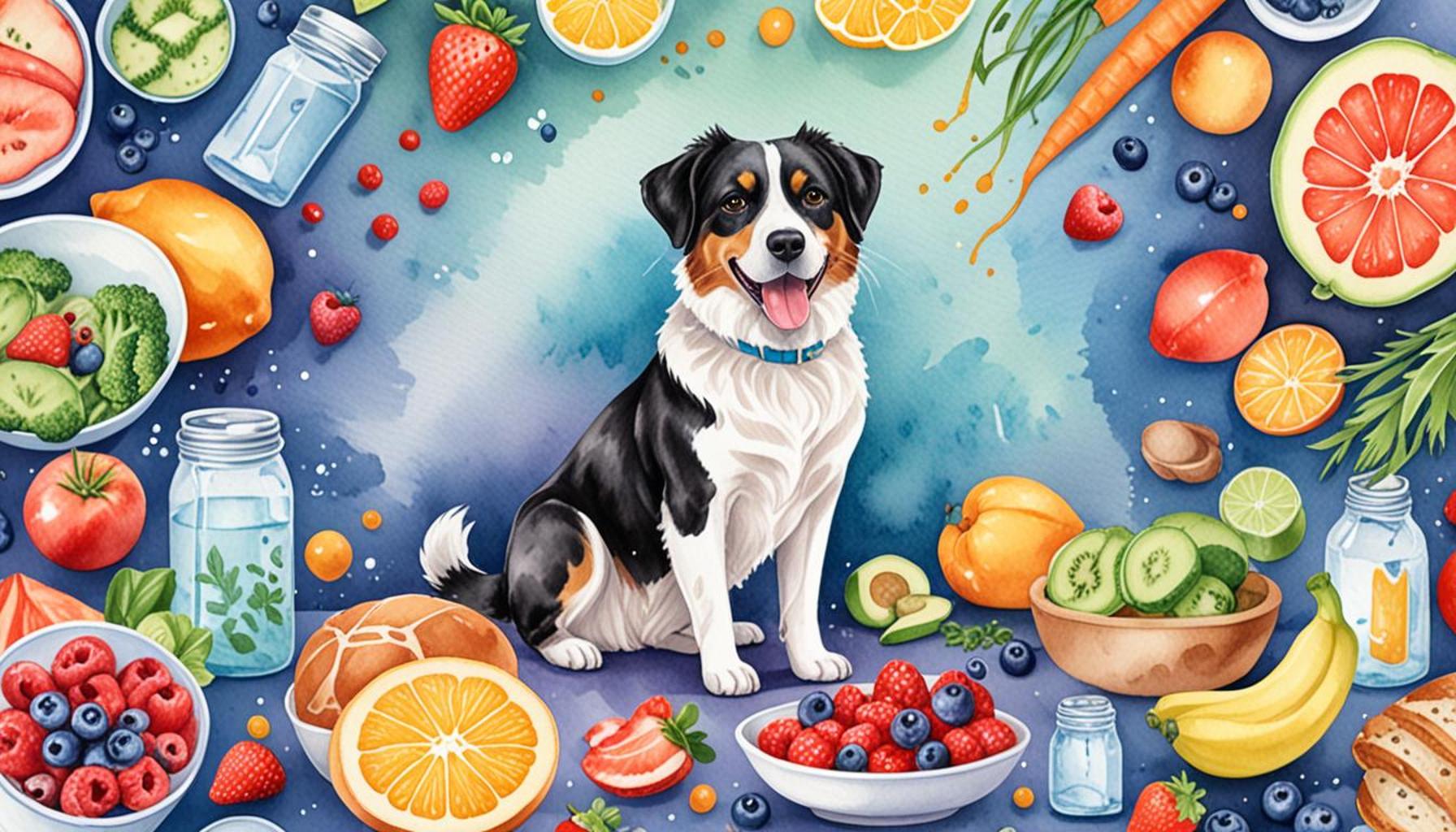
In the world of pet care, a balanced diet is not just a recommendation; it is a necessity that plays a crucial role in the overall health and wellbeing of our beloved companions. The right nutrients can enhance their quality of life, extend their lifespan, and ward off chronic diseases. As pet owners, understanding the significance of proper nutrition can help us make informed choices that contribute to our pets’ happiness and longevity.
Recent studies indicate that dietary imbalances are linked to various health issues in pets, ranging from obesity to digestive problems. More than half of pet owners are unaware of the specific nutritional needs of different breeds and life stages. This lack of awareness can lead to serious health repercussions for pets, making education on this topic essential.
In this article, we will delve into the top 5 benefits of a balanced diet for pets, highlighting essential nutrients, common dietary pitfalls, and tips for creating a nutritious feeding plan. Prepare to discover how simple dietary changes can make significant impacts on your furry friend’s life.
Top 5: The Importance of Balanced Nutrition in the Health of Pets
Pet ownership is a fulfilling journey, filled with moments of joy and companionship. However, amidst showering affection and care upon our furry companions, one crucial factor often gets sidelined – nutrition. Nutrition plays a pivotal role in ensuring the optimal health and vitality of pets. A balanced diet goes beyond just satisfying hunger; it directly impacts their overall well-being, longevity, and quality of life. This article delves into the top five reasons why maintaining a balanced diet is indispensable for your pets, ranking them from fifth to first.
5. Promotes Healthy Weight Management
Recent studies have highlighted a worrying trend: a significant rise in pet obesity. Much like in humans, maintaining a healthy weight is vital for pets. Obesity can lead to serious health issues such as diabetes, arthritis, and cardiac problems. A balanced diet, which includes an optimal mix of proteins, fats, and carbohydrates, can help in managing your pet’s weight effectively. Pet owners should be aware of the appropriate feeding portions, tailored to the specific needs of their pet’s breed, age, and activity level. In addition, regular weigh-ins provide early indicators if adjustments are needed in their diet or exercise regimen.

To effectively manage weight, consider incorporating:
- High-quality proteins that aid muscle development and repair
- Healthy fats for sustained energy and delivering vital nutrients
- Fiber-rich ingredients that promote healthy digestion and increase satiety
Couple these nutritional strategies with regular physical activity. Whether it’s a daily walk or interactive play, exercise complements a balanced diet in maintaining a healthy weight range, ultimately enhancing your pet’s overall quality of life.
4. Boosts Immune System Functionality
The immune system acts as the body’s defense mechanism against infections and illnesses. A compromised immune system can leave pets vulnerable to disease and frequent health issues. By providing a diet rich in antioxidants, vitamins, and minerals, you can significantly strengthen your pet’s immune system. Specific nutrients, such as omega-3 fatty acids, zinc, and vitamin E, are known to enhance immune responses, making pets more resilient to health ailments.
Consider adding foods such as:
- Blueberries for a rich supply of antioxidants
- Pumpkin for beneficial fiber and vitamins
- Fish for generous amounts of omega-3 fatty acids
By ensuring their diet is nutritionally balanced, you’re not just protecting them from health threats; you’re actively contributing to a longer and healthier life, allowing your pet to thrive.
3. Supports Healthy Skin and Coat
A shimmering coat and healthy skin are often visible indicators of a well-nourished pet. Nutritional deficiencies can lead to lackluster fur and skin problems, such as dryness, excessive shedding, or irritations. Essential fatty acids, particularly omega-6 and omega-3, are critical for maintaining the integrity of your pet’s skin and coat. When pets receive a well-rounded diet, their skin remains hydrated, and their coat appears vibrant and lively.
Foods that promote skin and coat health include:
- Fish oils enriched with omegas, contributing to healthy skin and glossy fur
- Poultry with skin offering natural oils and fats
- Vegetables like carrots for beta-carotenes, enhancing fur brightness
With consistent feeding of foods rich in these essential nutrients, pets not only look their best but also feel comfortable, minimizing common irritations and promoting a general sense of well-being.
2. Enhances Energy Levels and Activity
The vitality of a pet is evident in its activity levels. A balanced diet imparts the necessary energy to fuel their daily activities, whether it entails playful antics, walks, or explorations. Without adequate nutrition, pets may experience lethargy, displaying reluctance to engage or partake in physical exercises. A diet comprehensive in macronutrients ensures continuous energy supply, nurturing both physical capabilities and cognitive engagement.
To boost energy levels, consider feeding your pets:
- Carbohydrates for immediate energy supplies
- Proteins essential for long-lasting energy and muscle maintenance
- Whole grains offering sustained vitality and aiding digestive health
A well-nourished pet is more likely to engage in active play, which in turn supports their mental and physical health, creating an uplifting cycle of wellness.
1. Increases Lifespan and Quality of Life
The overarching benefit of a balanced diet is its significant impact on a pet’s lifespan and quality of life. Pets that consistently receive adequate nutrition are not just potential candidates for a longer life; they often exhibit enhanced overall vitality. A well-balanced diet minimizes the risk of chronic illnesses and supports emotional and mental health, allowing pets to experience more vibrant and fulfilling lives.
Research indicates that balanced nutrition can increase lifespan by contributing to:
- Optimal body condition, reducing the strain on organs and systems
- Prevention of chronic diseases such as diabetes and heart disease
- Mental stimulation and active engagement through nutrient-rich foods
Investing in your pet’s diet may initially require thought and planning, but the outcome—a joyful, healthy companion for years to come—is undeniably rewarding. Through a well-rounded diet, we foster a journey characterized by mutual moments of joy and vibrant health, highlighting the importance of nutrition in nurturing the unbreakable bond we share with our pets.
| Category | Details |
|---|---|
| Nutritional Balance | A balanced diet provides the right proportions of proteins, carbohydrates, fats, vitamins, and minerals that are crucial for maintaining overall animal health. |
| Weight Management | An appropriate diet helps prevent obesity and other weight-related health issues, contributing to a longer and healthier life for pets. |
| Disease Prevention | Proper nutrition can reduce the risk of developing chronic diseases such as diabetes or kidney problems, supporting better longevity and quality of life. |
| Digestive Health | A healthy diet rich in fibers improves digestion and gut health, benefiting the animal’s nutritional absorption and overall wellness. |
In this section, it is essential to understand how nutritional balance plays a pivotal role in the health of our pets. Pet owners are encouraged to consult with veterinarians to create meal plans that address both the specific needs of their animals and take into consideration factors such as age, breed, and lifestyle. Additionally, the concern over weight management cannot be understated. The prevalence of obesity among domestic animals has become a public health issue in recent years, prompting research into how overfeeding and inadequate exercise contribute to this epidemic. A well-regulated feeding schedule and controlled portion sizes can help animals maintain a healthy weight.Moreover, a balanced diet serves as a frontline defense against numerous health complications. It is noted that animals receiving essential nutrients tend to have lower hospitalization rates for conditions like diabetes and other diet-related ailments. Lastly, the impact of diet on digestive health demonstrates the importance of ingredients that promote gut function and prevent gastrointestinal disturbances. This discussion leads to further areas of research exploring how probiotics and prebiotics can revolutionize pet nutrition.As pet owners become increasingly aware of these facets, further investigation into innovative diets and trends such as grain-free or raw food becomes pertinent. Each choice can significantly shape the animal’s health trajectory, making the conversation around a balanced diet not only relevant but crucial for optimal health and well-being.
Frequently Asked Questions About Balanced Diets for Pet Health
Why is a balanced diet essential for my pet’s health?
A balanced diet provides the necessary nutrients that pets need to maintain overall health and wellbeing. Proteins, carbohydrates, fats, vitamins, and minerals all play vital roles in supporting energy levels, organ function, and immune system strength. Just like humans, pets require a variety of nutrients to live healthy, fulfilling lives.
What are the consequences of not maintaining a balanced diet for my pet?
An unbalanced diet can lead to several health issues in pets, such as obesity, malnutrition, and chronic diseases. Lack of certain nutrients can cause developmental problems and weaken the immune system, making pets more susceptible to illnesses. Monitoring your pet’s diet is crucial to prevent these health complications.
How can I tell if my pet’s diet is balanced?
A balanced diet for pets should include a proper ratio of proteins, fats, and carbohydrates, along with essential vitamins and minerals. Look for commercial pet food that is labeled as “complete and balanced” according to the standards of reputable veterinary nutrition organizations. Consult with your veterinarian to tailor a diet plan specific to your pet’s life stage, breed, and health needs.
Are there specific considerations for different types of pets or breeds?
Yes, different types of pets and breeds have unique dietary requirements. For example, large breed dogs may need diets with lower calorie density to prevent rapid growth and associated health problems, while cats require higher levels of protein in their diets. It is important to research your pet’s specific needs and consult a veterinarian for guidance.
Can a homemade diet provide a balanced nutrition for my pet?
While homemade diets can be an option, they are challenging to balance without expert guidance. Many homemade recipes lack essential nutrients, potentially leading to deficiencies. If considering this option, work closely with a veterinary nutritionist to create a nutritionally complete plan for your pet.
Conclusion
A balanced diet is foundational to the well-being and longevity of our pets. As we’ve explored throughout the article, there are several critical takeaways that emphasize the vital role nutrition plays in their health. Firstly, providing a varied diet rich in essential nutrients is pivotal to maintaining optimal health and preventing diseases in pets. Ensuring an appropriate balance of proteins, fats, carbohydrates, vitamins, and minerals is key to supporting their energy levels and bodily functions.
Moreover, customized diets that consider the specific needs of each pet, such as their breed, size, age, and health conditions, can significantly enhance their quality of life. Pet owners should be attentive to these variables to ensure dietary adequacy. This approach not only prevents obesity and related health issues but also supports growth, reproduction, and overall vitality.
Additionally, understanding and acknowledging the signs of nutritional deficiencies is crucial. Pet owners should observe changes in skin, coat, and energy levels, as these could be indicators of an imbalanced diet. Timely interventions can prevent long-term health complications, fostering a healthier life span for our pets.
In summary, the significance of balanced nutrition for pet health cannot be overstated. Feeding pets a well-rounded diet tailored to their unique needs is one of the most impactful actions pet owners can take to ensure their companions live healthy, happy lives. It encourages responsible pet ownership and underscores the profound connection between proper nutrition and the overall health of our beloved animals. For those wishing to deepen their understanding, consulting with veterinary nutrition specialists can provide valuable insights and personalized guidance, unlocking a more nuanced understanding of pet nutrition.
Related posts:
Toxic Foods for Pets: What to Avoid in Your Pets' Diet
How to Choose the Right Food for Dogs and Cats at Different Life Stages
The Relationship between Nutrition and Behavior in Pets
Balanced Diet Benefits for Pet Health in Nigeria Explained
The Evolution of Pet Nutrition in Nigeria: Challenges and Opportunities
The Importance of a Balanced Diet for Dogs and Cats in Nigeria

Linda Carter is a writer and pet care expert specializing in pet health, grooming, and wellness. With extensive experience helping pet owners create safe, loving, and enriching environments for their animals, Linda shares her knowledge on our platform. Her goal is to empower readers with practical advice and strategies to ensure their pets thrive and lead joyful, healthy lives.