Common Pet Diseases in Nigeria Prevention Tips and Solutions
In Nigeria, the bond between humans and their pets is growing stronger every day. With this increase in pet ownership, it is crucial for pet owners to stay informed about the common diseases that can affect their furry friends. Understanding these health issues not only helps in maintaining the well-being of pets but also ensures a safer environment for families.
Pet diseases can significantly impact the quality of life for animals. Timely recognition and preventive measures can make a difference. Here are some compelling facts to consider:
- Widespread Awareness: Many pet owners lack knowledge about common health issues.
- Financial Implications: Treating diseases can lead to high veterinary bills.
- Public Health Risks: Some pet diseases can also affect humans.
This article aims to explore the Top 5 common pet diseases in Nigeria and provide essential prevention tips and solutions. By understanding these ailments, owners can better protect their pets and enhance their overall quality of life.
Top 5 Common Pet Diseases in Nigeria and How to Prevent Them
With a burgeoning pet ownership trend in Nigeria, more households are finding joy and companionship in furry family members. Yet, alongside the emotional rewards of keeping pets comes the responsibility of ensuring their well-being. This article delves into the common ailments afflicting pets in Nigeria and offers preventive strategies to help keep pets healthy and thriving. From skin irritations spawned by the climate to potentially fatal infectious diseases, understanding these health risks is crucial for pet owners aiming to protect their beloved companions.
5. Skin Infections
In Nigeria, skin infections represent a frequent health challenge for pets. Characterized by irritations such as rashes, excessive itching, and even hair loss, these ailments can seriously affect a pet’s quality of life. The country’s hot and humid climate significantly contributes to skin problems by creating an ideal environment for external parasites like fleas and ticks, as well as fostering fungal and bacterial growth.
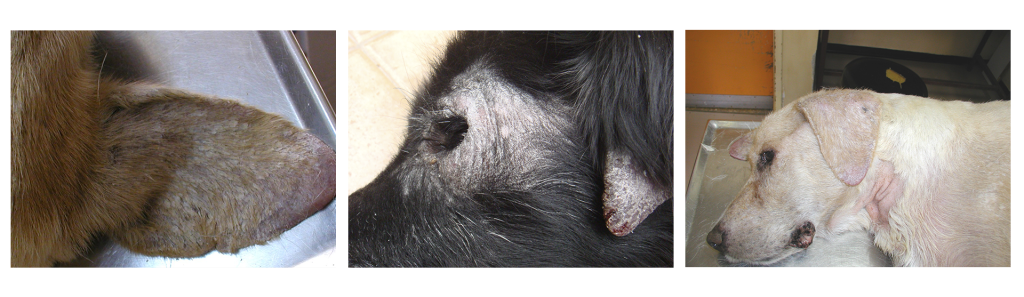
To effectively manage and prevent these skin issues, pet owners should:
- Regular Grooming: Bathe pets routinely using pet-friendly shampoos to maintain a clean skin surface.
- Parasite Control: After outdoor activities, especially in grassy areas, inspect pets for parasitic invasion, particularly ticks and fleas.
- Nutritional Balance: A diet rich in essential nutrients helps fortify the skin barrier, making it less susceptible to infections.
- Veterinary Visits: Schedule regular check-ups to detect any skin conditions early, allowing for timely intervention.
Unattended skin conditions can escalate into serious infections requiring complex treatments. Thus, a proactive approach is paramount.
4. Canine Parvovirus (CPV)
Among the most deadly diseases for dogs in Nigeria is the Canine Parvovirus (CPV). This virulent infection is notorious for inducing severe vomiting and diarrhea, predominantly targeting unvaccinated puppies and young dogs. The high mortality rate demands urgent attention and swift action.
Prevention methods are simple yet imperative:
- Timely Vaccination: Follow the recommended vaccination schedule for puppies to protect against CPV.
- Limiting Exposure: Avoid public spaces such as dog parks until a puppy has completed its full course of vaccinations.
- Isolation from Unknown Risks: Prevent dogs from interacting with potentially unvaccinated or unknown dogs.
Awareness campaigns and vaccination programs can significantly curb the spread and fatal impacts of this disease. Educating new pet owners about the critical nature of early vaccination can save many canine lives.
3. Rabies
Rabies remains a potent threat in both pets and humanity. The virus, transmitted primarily through animal bites, poses a lethal risk once symptoms appear, emphasizing the need for early vaccination and control measures.
Prevention is within grasp through the following steps:
- Routine Vaccinations: Regular rabies vaccinations are essential and mandated by law to ensure pet safety and command compliance.
- Supervision Outdoors: Keeping pets indoors or supervising them minimizes their exposure to potentially rabid wildlife.
- Community Education: Informing friends and neighbors about the importance of rabies vaccines can boost community-wide prevention efforts.
Rabies is preventable, but it requires concerted efforts and vigilance from the entire community to achieve eradication.
2. Heartworm Disease
The growing prevalence of mosquitoes in Nigeria has facilitated the rise of heartworm disease among pets, particularly dogs. Caused by parasitic worms that settle in the heart and lungs, this condition can result in serious health issues and is potentially fatal if untreated.
Effective prevention techniques include:
- Monthly Preventive Medication: Consistent administration of heartworm prevention medication, as advised by vets, is crucial.
- Mosquito Avoidance: Limit pet outdoor activities during peak mosquito activity periods, specifically at dawn and dusk.
- Environmental Management: Reduce standing water sources around homes to minimize mosquito breeding grounds.
Heartworm disease is a preventable yet devastating condition, underscoring the importance of regular preventative care and environmental controls.
1. Gastrointestinal Infections
Perhaps the most common yet underestimated are gastrointestinal infections, which often result from contaminated food or water. Such infections can cause severe dehydration and are potentially life-threatening, making hygiene and vigilance crucial components of pet care.
Preventive measures include:
- Quality Nutrition: Invest in high-quality pet food and ensure secure and clean storage to prevent spoilage and contamination.
- Safe Hydration: Always provide pets with fresh and uncontaminated water, especially during Nigeria’s hot months.
- Hygiene Practices: Regular cleaning of feeding bowls prevents the buildup of harmful bacteria that could lead to infections.
- Symptom Monitoring: Stay alert to any signs of gastrointestinal distress and seek immediate veterinary care if symptoms arise.
An understanding of the causes and preventative strategies of gastrointestinal infections helps maintain pet health and comfort.
Ultimately, educating yourself about common pet diseases and implementing preventative measures safeguard your pet’s health and happiness. The strength of the bond between humans and their animal companions lies in the commitment to meet pets’ needs, ensuring their well-being through informed and careful attention to these common health risks.
| Common Animal Diseases | Prevention Methods |
|---|---|
| Canine Parvovirus | Vaccination is essential, along with maintaining good hygiene practices. |
| Feline Leukemia Virus | Regular vet check-ups and keeping outdoor cats contained can help reduce exposure. |
| Heartworm Disease | Year-round prevention medication and controlling mosquito populations are vital steps. |
| Rabies | Mandatory vaccination is crucial, along with public awareness programs about the disease. |
In Nigeria, a variety of diseases plague pet populations, making awareness and prevention vital. Canine Parvovirus is notorious for its high mortality rate among dogs, particularly in young puppies. The virus attacks the gastrointestinal tract and immune system, leading to severe dehydration and often death if not treated promptly. Vaccination and maintaining proper sanitation is crucial for safeguarding pets from this threat. Similarly, Feline Leukemia Virus poses significant risks to cats, primarily affecting their immune system, which can lead to severe health complications. Regular veterinary visits and keeping cats indoors are effective ways to decrease their risk of contracting this virus. Moreover, Heartworm Disease, transmitted by mosquitoes, can be fatal if left unchecked. Annual prevention medications are highly recommended for all pets living in or visiting high-risk areas. Furthermore, controlling mosquito populations around living spaces can contribute significantly to lowering the incidence of this disease.Lastly, Rabies remains a severe public health concern, not just for pets but for humans as well. Nigeria has made strides in mandating vaccination for pet dogs, yet the challenge remains to educate pet owners about the importance of this vaccination and instill behaviors that mitigate rabies transmission. Public awareness programs can further enhance efforts to reduce risks for both pets and their owners.By understanding these common diseases and implementing the recommended prevention strategies, pet owners in Nigeria can significantly enhance the health and longevity of their beloved animals.
FAQ: Common Pet Diseases in Nigeria and How to Prevent Them
What are the most common diseases affecting pets in Nigeria?
The most common diseases in Nigerian pets include parasite infestations, like ticks and fleas, rabies, canine parvovirus, and feline panleukopenia. These ailments are prevalent due to factors such as environmental conditions and lack of widespread vaccination programs. Understanding these diseases is crucial for implementing effective prevention strategies.
How can I prevent my pet from contracting rabies?
Vaccination is the most effective way to prevent rabies in pets. It is recommended to vaccinate dogs and cats against rabies by the age of three months and to follow up with annual booster shots. Additionally, keeping your pet indoors and supervising them outdoors can reduce the risk of encounters with rabid animals.
Are ticks and fleas a major problem for pets in Nigeria, and how can I control them?
Yes, ticks and fleas are indeed a significant problem for pets in Nigeria, primarily due to the warm climate that favors their breeding. Regular use of veterinarian-approved tick and flea treatments on your pets, along with maintaining a clean living environment, can help control these parasites. Regular grooming and checking your pet’s fur for ticks and fleas can also be beneficial.
What should I do if my pet shows signs of a serious illness?
If your pet exhibits symptoms like vomiting, lethargy, loss of appetite, or any signs of distress, it is crucial to seek veterinary attention immediately. Early detection and treatment of diseases can significantly improve recovery chances. Regular vet check-ups are also vital for early diagnosis and to ensure that your pet is in good health.
How important is diet in preventing diseases in pets?
A balanced diet tailored to your pet’s age, size, and activity level is essential in maintaining their health and preventing diseases. Nutrient-rich food supports the immune system, helping to ward off infections and illnesses. Consulting with a veterinarian to devise an appropriate diet plan can be very beneficial for your pet’s overall well-being.
Conclusion
In summary, the prevalence of common pet diseases in Nigeria underscores the urgent need for comprehensive preventive measures. The top five diseases—parasitic infections, distemper, rabies, feline leukemia, and parvovirus—pose significant risks not only to pets but also to humans. Parasitic infections, for instance, can easily be mitigated through regular deworming and external parasite control, highlighting the importance of preventive veterinary care.
Furthermore, vaccinations remain a cornerstone in protecting pets from life-threatening diseases like distemper, rabies, and feline leukemia. These diseases, while preventable, continue to affect many animals due to gaps in awareness and access to veterinary services. In this context, community outreach and educational efforts are crucial in dispelling myths and encouraging responsible pet ownership among Nigerians.
This article brings to light not only the challenges but also the opportunities to enhance the well-being of pets through informed actions and policies. Improving public access to veterinary care services, alongside initiatives for mass vaccination and awareness campaigns, can substantially reduce the incidence of these diseases. It’s imperative that pet owners, veterinary professionals, and policymakers collaborate to create a healthier environment for pets in Nigeria.
The health of our pets reflects our commitment to their care, and it is the responsibility of all stakeholders to ensure that these beloved companions receive the attention and preventative care they deserve. As we move forward, continued research and dialogue will be essential to uncover new ways to combat these health issues and safeguard the future of Nigeria’s pets.
Related posts:
The Importance of a Balanced Diet for Pet Health and Wellbeing
Hypoallergenic Diet: How to Protect Your Pet from Common Food Allergies in Nigeria
Create a Safe and Cozy Home Environment for Your Pet Essential Tips
The Role of Nutrition in the Prevention of Diseases in Pets: Facts and Fictionalizations
The Role of Herbs and Spices in Pet Nutrition: Benefits and Risks
The Relationship between Nutrition and Behavior in Pets

Linda Carter is a writer and pet care expert specializing in pet health, grooming, and wellness. With extensive experience helping pet owners create safe, loving, and enriching environments for their animals, Linda shares her knowledge on our platform. Her goal is to empower readers with practical advice and strategies to ensure their pets thrive and lead joyful, healthy lives.