Effective Cat Socialization Strategies to Improve Home Behavior
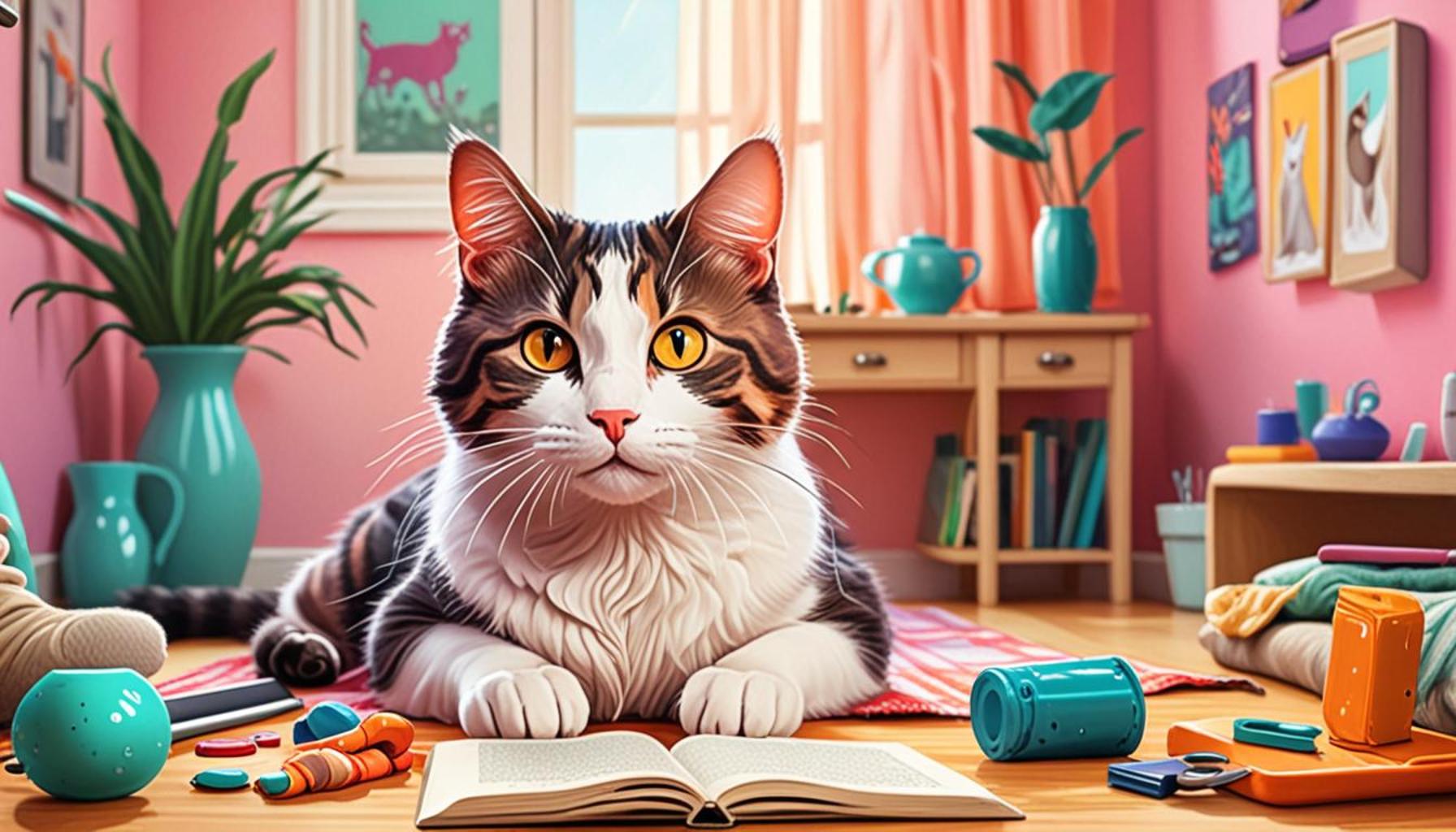
Understanding Cat Socialization
Bringing a cat into your home is a joyous experience, yet many owners struggle with their pet’s behavior. Proper socialization is key to fostering a harmonious environment. Just like humans, cats benefit immensely from interactions that shape their social skills and emotional wellbeing.
The Importance of Socialization
Without effective socialization, cats may develop issues such as anxiety, aggression, or withdrawal. Creating a well-adjusted feline companion not only enhances your pet’s quality of life but also makes for a more peaceful household. Understanding how to navigate social encounters can lead to a deeper bond between you and your cat.
What to Expect
In this article, we’ll dive into the Top 5 strategies for cat socialization that can significantly improve their behavior at home. From exposing your cat to new environments to encouraging play with other animals, these techniques are designed to nurture a confident and sociable pet.
Top 5 Strategies for Effective Cat Socialization to Improve Behavior at Home
Cats, those enigmatic creatures that balance aloof elegance with bursts of playfulness, are often thought of as independent loners. However, unlocking the secrets of cat socialization is crucial for pet owners who wish to nurture a harmonious home environment. While dogs have a robust tradition of training and socialization, cats require their unique approaches, which are both intuitive and intentional. In this comprehensive guide, we delve into the top five strategies that contribute to building better behavior and more pleasant home lives for cats and their human families.
5. Create a Safe and Comfortable Space
The foundation of any positive socialization technique lies in establishing a safe and comfortable space for your feline friend. This concept may seem simplistic at first glance, yet it carries profound implications for cat behavior. Cats are notorious for their territorial nature, and an environment that does not cater to their needs can lead to stress-related issues such as aggression or reclusiveness.

Imagine a room designed with your cat in mind. This private sanctuary is not only a physical space but also a psychological haven. Start by designating a quiet area away from the hustle and bustle of household activities where your cat can retreat. Imagine including cozy bedding strategically placed near windows where your cat can bask in sunlight, as well as hiding spots like boxes or draped fabric to satisfy their instinctual need to feel secure.
Moreover, vertical spaces such as shelves and cat trees offer prime vantage points for surveying their domain, essential for a creature whose ancestry involves both predator and prey instincts. By ensuring that food, water, and litter boxes are conveniently accessible, you can help your cat feel more confident, which, as a domino effect, fosters healthier interactions with everyone in your home.
4. Gradual Exposure to New Experiences
Socializing a cat is far from an overnight affair; it demands patience and strategy. Gradual exposure to new experiences forms the cornerstone of successful long-term socialization. Unlike other pets that may eagerly dive into the unknown, cats approach new situations with inherent caution. Therefore, easing them into new experiences prevents anxiety and builds their confidence over time.
Start by inviting new people or pets into your home, but do so one at a time, allowing your cat to approach at its own pace. You want your cat to associate these new faces with positivity. To facilitate this, deploying tasty treats as rewards when your cat shows bravery or curiosity works wonders.
Consider soundscapes too. Cats’ keen senses make them particularly vulnerable to loud or sudden noises. Gradually introducing them to different sounds, perhaps using recordings of household noises or cityscapes, can help them adapt to diverse environments. This calculated exposure teaches them that unfamiliar stimuli do not always equate to danger, fostering a more relaxed demeanor.
3. Positive Reinforcement Training
While cats may not be as responsive to training as their canine counterparts, positive reinforcement remains a game-changer in shaping their behavior. This technique simultaneously teaches desired behavior while strengthening the bond between you and your cat, laying down a framework for clear communication.
Positive reinforcement relies on rewarding behaviors you want to see repeated. Using treats, affectionate petting, and verbal praise when your cat engages in positive behaviors like approaching a new person or using a scratching post properly can make these actions more likely to be repeated.
Furthermore, teaching simple commands such as “come” or “sit” reinforces discipline and can serve as tools to navigate future social interactions. Consistency is key; the more regularly you incorporate positive reinforcement, the more ingrained these desirable behaviors become. This approach not only enhances your cat’s social skills but also injects a sense of security into their experiences with new people and environments.
2. Engaging Playtime Activities
Play is an intrinsic part of feline life, offering not only physical exercise but also essential social development. Through engaging playtime activities, cats hone their social skills while tapping into their instinctual behaviors like stalking and pouncing. Structured play is a platform for them to express natural behaviors that might otherwise manifest in unwanted ways.
Interactive toys, such as feather wands or balls, can foster cooperative play between you, your cat, and even other pets. Playtime gives you an opportunity to build mutual trust, establishing stronger bonds through shared fun. Scheduled play sessions create positive anticipation, positioning play as a reward that your cat will be eager to earn, which in turn encourages more frequent social interaction.
Additionally, encouraging gentle play with other pets can enhance interspecies relationships, teaching cats to interpret social cues accurately. The key here is to ensure interactions remain positive and controlled, preventing stress or aggressive behaviors from arising.
1. Early Socialization and Exposure
The ultimate strategy for effective socialization hinges on catching cats during their most impressionable phase: kittenhood. Early socialization and exposure are indispensable during the first weeks of a kitten’s life when their fear responses are less developed and they are more adaptable to stimuli.
Your approach should be thorough yet compassionate. Introduce kittens to as many novel people, animals, and environments as possible before they hit the 16-week mark. Environments with diverse stimuli such as different sounds, surfaces, and socially engaging interactions allow kittens to adjust more readily to their surroundings.
Monitoring their reactions closely and using positive reinforcement to reward favorable responses helps these experiences leave a lasting, beneficial impression. The result is a cat that grows into a well-adjusted adult, with fewer behavioral issues and a greater capacity to form lasting relationships within its household.
Investing time in nurturing these early encounters transforms more than just a single cat’s behavior; it enriches the very fabric of interspecies companionship within your home. Through strategic socialization, you can transform potentially mysterious interactions into an enriched tapestry of connection and understanding.
| Category | Key Features |
|---|---|
| Positive Reinforcement | Utilizing treats and praise to reinforce good behavior encourages lasting habits and promotes a positive environment. |
| Gradual Introductions | Taking time to slowly introduce cats to new spaces, people, or pets minimizes stress and allows for natural adaptation. |
| Playtime and Engagement | Regular play sessions not only strengthen the bond between the cat and owner but also allow for the outlet of energy, reducing destructive behavior. |
| Safe Spaces | Creating designated areas where cats can retreat fosters a sense of security, leading to improved overall behavior and adaptation. |
In the art of feline socialization, positive reinforcement stands as a pillar for nurturing desirable behavior in the home. This technique not only cultivates a bond but also produces a training methodology embedded in affection. Research shows that rewarding good behavior with treats or praise significantly enhances the likelihood of its recurrence, which ultimately fosters an environment conducive to healthy interactions.Moreover, the principle of gradual introductions is vital in easing cats into new experiences. Abrupt changes can lead to anxiety and territorial behavior. By allowing your cat to explore new spaces or meet new companions at their own pace, you’re not just reducing stress but also paving the way for harmonious coexistence. Notably, this approach can be particularly beneficial when integrating multiple pets into a single household.Equally important is the provision of playtime and engagement. Cats are inherently playful creatures, and regular interactive play is essential for their physical and mental well-being. The right play activities stimulate their instincts and keep them active, which significantly lowers the likelihood of misbehavior driven by boredom or pent-up energy. Consequently, the bond shared during these moments of fun maintains a consistent channel for communication and social development.Lastly, consider the establishment of safe spaces within your home environment. Cats are creatures of habit and often seek refuge in familiar spots. By creating areas where they can feel secure and retreat when necessary, you not only give them a sense of control but also enhance their ability to cope with the demands of household dynamics. This strategy can lead to a remarkable reduction in stress-related issues and foster a more balanced temperament.As you explore these strategies, remember that the emotional and psychological aspects of feline behavior are just as critical as the practical techniques involved in socialization. Embracing these insights can transform your understanding and response to your feline companions, aiding not only their adjustment but enriching the overall dynamic of your home.
Frequently Asked Questions about Cat Socialization Strategies
How can I start socializing my cat and what should I expect?
The initial step in socializing your cat is to ensure they feel safe and comfortable in their environment. Begin by allowing them to explore their surroundings at their own pace, while you sit nearby calmly. Introduce new people and pets gradually to avoid overwhelming your feline friend. Expect some apprehension at first, but observe for signs of curiosity as a positive indicator of progression. Remember, patience is key, as each cat adapts differently.
What are common mistakes owners make when trying to socialize their cats?
One common mistake is rushing the process. Cats, unlike dogs, may take longer to warm up to new situations or individuals. Owners often push too hard, leading to stress and anxiety for the cat. Using treats and toys in moderation is beneficial, but over-reliance can create dependency rather than genuine confidence and curiosity. Another error is disregarding a cat’s personal space; always allow your feline to approach you first.
Why is early socialization important for kittens?
Early socialization is crucial as it significantly influences a kitten’s behavior as an adult. During the critical period between 2 to 12 weeks of age, kittens are highly receptive to new experiences and stimuli. Exposing them to diverse environments, people, and other animals during this phase can result in a well-adjusted adult cat. Early socialization can prevent future behavioral problems such as aggression and excessive shyness.
Can older cats be effectively socialized, or is it too late?
While it’s undeniably easier to socialize kittens, older cats can still be socialized effectively with dedication and persistence. The process may be more gradual, requiring consistency and positive reinforcement. Focus on establishing a routine, gradually introducing new stimuli, and rewarding calm behavior. It’s essential to recognize and respect the boundaries of an older cat, allowing them to dictate the pace of socialization.
How do I know if my efforts in socializing my cat are working?
A successfully socialized cat will display signs of increased curiosity and decreased fear or aggression. They will feel more at ease with handling, be more welcoming of new people, and show less stress in unfamiliar environments. Noticeable improvements in their interaction with other pets and willingness to explore are also positive signs. Continuously observing your cat’s body language will help you gauge their comfort levels.
Conclusion
Effective socialization strategies for cats are vital in ensuring harmonious household dynamics. Throughout this article, we have explored several crucial techniques for enhancing feline behavior. By focusing on early intervention, new owners can pave the way for a well-adjusted pet that thrives in a domestic environment. Proper exposure to different settings and individuals plays a significant role in a cat’s adaptation process, minimizing stress and fostering a peaceful home atmosphere.
Furthermore, understanding a cat’s unique communication signals is critical for establishing mutual respect and trust. Observing their cues allows owners to respond appropriately, promoting positive interactions. Encouraging play and using enrichment activities not only cater to their natural curiosity but also reduce anxiety and boredom-related behaviors. Additionally, a gradual introduction to new experiences is crucial for boosting a cat’s confidence and can result in reduced aggression or fearfulness.
Lasting Benefits for Both Cats and Owners
Implementing these strategies not only enhances the well-being of our feline companions but also strengthens the bond between pet and owner. By investing time and patience in a structured socialization approach, cat owners can enjoy a more personable, less stressed pet. This commitment transforms potential behavioral challenges into opportunities for growth and understanding.
In summary, approaching cat socialization with a thoughtful blend of patience, observation, and flexibility equips owners with the tools to cultivate a nurturing, comfortable home for their cats. This holistic understanding of socialization underscores the profound impact it holds for a pet’s development, offering a rewarding experience for both humans and felines. As the knowledge around these strategies continues to evolve, it invites pet owners worldwide to dive deeper into the intricacies of effective socialization practices, ultimately enhancing the quality of life and companionship animals and owners share.
Related posts:
Identifying and Treating Behavioral Problems in Pets: What Every Owner Should Know
How to Protect Your Pet from Diseases Transmitted by Ticks and Mosquitoes in Nigeria
Essential Nutrients for Dogs Cats Key Tips for Feeding Your Pet
Preventive Care: Tips to Keep Your Pet Free from Common Parasites in Nigeria
Dental Care for Pets: How to Keep Your Animal's Teeth Healthy and Strong
The Importance of Mental Health in Pets: Tips to Enhance Your Pet's Well-Being

Linda Carter is a writer and pet care expert specializing in pet health, grooming, and wellness. With extensive experience helping pet owners create safe, loving, and enriching environments for their animals, Linda shares her knowledge on our platform. Her goal is to empower readers with practical advice and strategies to ensure their pets thrive and lead joyful, healthy lives.