Prevention of Common Diseases in Dogs and Cats: Tips for Responsible Owners
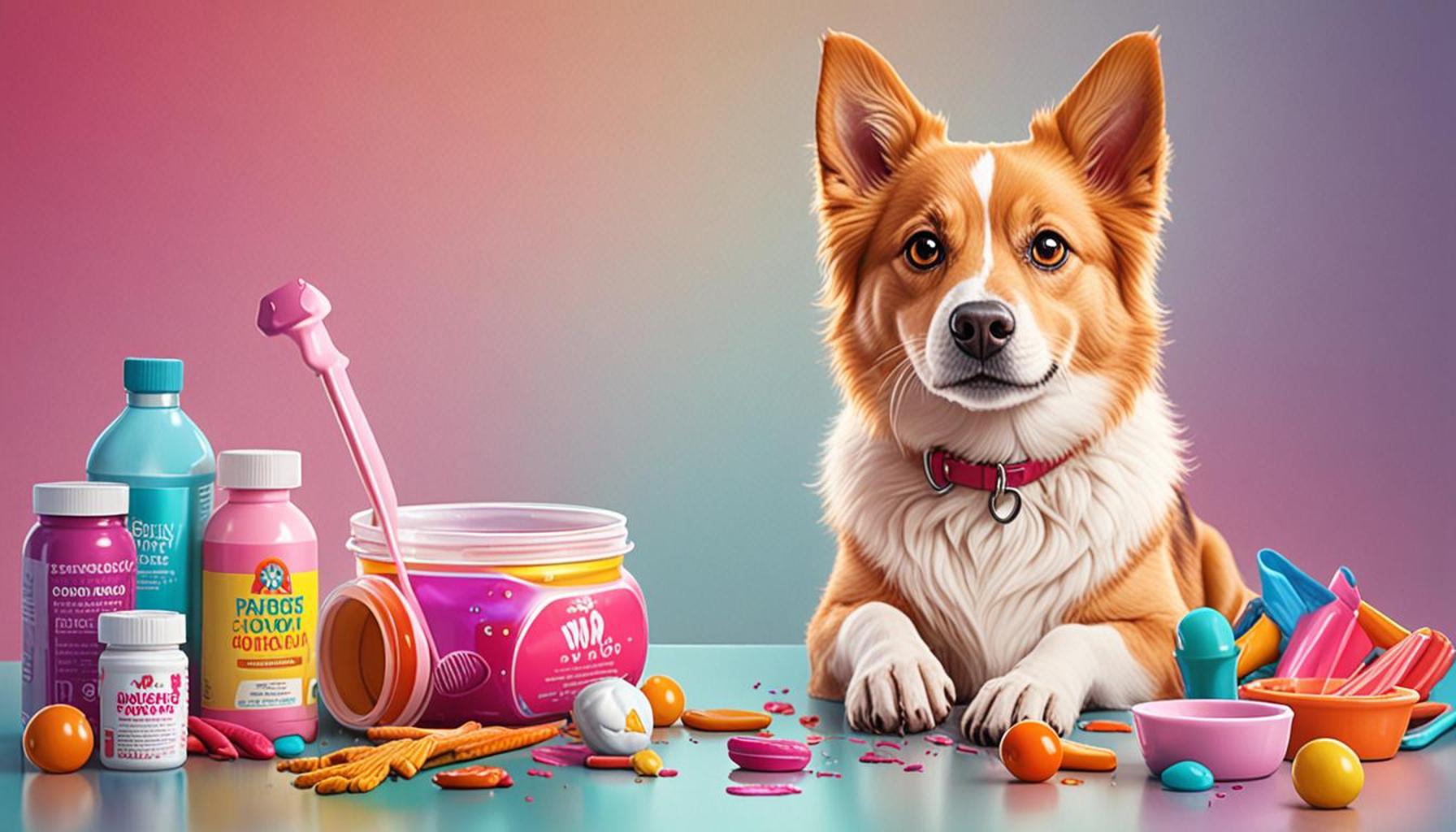
Understanding Pet Health
In Nigerian households, the integral role of dogs and cats as companions brings immense joy and purpose. However, their well-being requires more than affection; vigilant care is paramount for their overall health and longevity. Given the environment in Nigeria, where pets frequently have access to outdoor spaces, understanding the prevention of common diseases is essential for pet owners.
Many health conditions may affect your furry friends, and being proactive can save both lives and resources. Among the most common diseases is Parvovirus, notorious for its high contagion rate and lethality, particularly among unvaccinated puppies. This virus attacks the intestines and can lead to severe gastrointestinal distress, which is often fatal if not treated immediately. For pet owners, vaccinating puppies early and keeping a close eye on their health is critical.
Another critical illness is Rabies, a viral disease that not only poses a grave risk to animals but is also a significant public health concern in Nigeria. Rabies is transmitted through bites from infected animals; thus, vaccinating pets is not just a personal responsibility but a community one. Lack of awareness of this disease’s deadly consequences can lead to tragic outcomes for pets and their owners alike.
Feline Immunodeficiency Virus (FIV) is another condition that affects cats, undermining their immune system and exposing them to various infections. Cats with FIV often lead a shortened life due to these secondary infections. Prevention primarily involves keeping indoor cats safe from aggression and ensuring they don’t interact with unvetted felines.
One doesn’t want to overlook Heartworm, a disease that can affect both dogs and cats, transmitted through bites from infected mosquitoes. This parasite can have disastrous effects on a pet’s heart and lungs, and it is notably a concern in the humid regions of Nigeria where mosquitoes thrive. Regular vet visits and preventive medications can be crucial in averting this illness.
Preventive Measures for Pet Owners
To ensure the health of our beloved companions, effective prevention starts with regular veterinary checkups and adherence to vaccination schedules. Beyond vaccinations, there are additional strategies that pet owners should consider:
- Routine parasite control is vital in Nigeria, where fleas, ticks, and intestinal worms can be rampant. Products that treat and prevent these infestations should be part of a standard care routine.
- Healthy diets tailored to the specific breed and age of a pet strengthen their immune systems significantly. Access to high-quality, nutritious pet food should be a priority.
- Socialization plays a crucial role in the well-being of dogs and cats. Proper interaction with various environments and other animals helps them build resilience against stress and disease.
By embracing these preventive measures, responsible pet ownership can not only extend the lives of beloved pets but also ensure that they enjoy vibrant and fulfilling lives. The journey to a healthy pet begins with informed decisions and active engagement in their health, significantly benefiting both pet and owner. In the following sections, we will explore practical approaches to implementing these preventive measures effectively and ensuring the peace of mind that comes with knowing your pets are protected.
YOU MAY ALSO LIKE: Read read another article
Preventing Diseases Through Regular Veterinary Care
Effective prevention is the cornerstone of ensuring your pets live long, healthy lives. One of the most vital components of this preventative strategy is regular veterinary checkups. These examinations allow thorough assessments of your pets’ overall health and, most importantly, keep vaccination schedules up to date. In Nigeria, the need for routine vet visits cannot be overemphasized, as several diseases that afflict our pets can be effectively managed or even avoided altogether through timely vaccinations.
Vaccination is not merely a legal responsibility but a moral obligation that dog and cat owners must prioritize. There are various vaccines available that target serious diseases. Core vaccinations such as those for rabies, canine distemper, and parvovirus for dogs, as well as feline leukemia and calicivirus for cats, provide the first line of defense against life-threatening illnesses. Implementing a consistent vaccination protocol helps in curbing disease outbreaks and protects both individual pets and the broader community.
Raising Awareness of Protozoan and Parasitic Infections
Aside from viruses and bacteria, pets are also susceptible to protozoan and parasitic infections which are prevalent in Nigeria’s unique climate. Infestations from parasites such as ticks, fleas, and worms can lead to serious health issues including severe allergic reactions, skin infections, and even conditions like heartworm disease. Pet owners are encouraged to utilize preventive treatments that are readily available on the market, and to engage their veterinarians in choosing the best options for their furry companions.
- Flea and tick prevention: Using topical treatments or collars can help minimize the chances of your pet becoming a host for these parasites, which thrive in warm environments.
- Worming treatments: Regular deworming sessions are crucial for protecting pets from intestinal parasites that can manifest from drinking contaminated water or consuming infected prey.
- Protozoan infections: Diseases like Giardiasis, caused by a parasite spread through contaminated water, are particularly concerning. Keeping drinking water clean and ensuring safe hygiene practices can mitigate risks.
How you manage these risks can have a lasting impact on your pet’s health. Understanding the different health concerns that can arise in pets and preemptively addressing them is key to responsible ownership. Deterring diseases requires vigilance and dedication. As an owner, take the initiative to schedule regular veterinary appointments, maintain a open line of communication with your vet, and seek comprehensive treatment options that cater to your pet’s specific needs.
As we delve deeper into protecting your pets, the next section will explore nutritional needs and their role in building a strong immune system, essential for warding off diseases. With this knowledge, you can ensure a healthier environment for your canine and feline companions.
| Category | Description |
|---|---|
| Regular Check-ups | Ensure vaccinations and preventative treatments are up-to-date. |
| Proper Nutrition | A balanced diet enhances immunity and decreases disease risk. |
| Exercise | Regular physical activity supports a healthy weight and reduces health issues. |
| Parasite Control | Preventative treatments guard against fleas, ticks, and worms. |
In the ever-evolving arena of pet health, it is crucial for every responsible owner to prioritize the prevention of common diseases. Preventative care through regular veterinary check-ups is instrumental in catching potential issues before they escalate. Diseases such as rabies or distemper can often be avoided through proper vaccinations administered during these visits.Another critical aspect lies in the realm of nutrition. Feeding pets a balanced diet not only fortifies their immune systems but also minimizes the risk of obesity-related diseases, which are prevalent in many domesticated cats and dogs. Furthermore, integrating regular exercise into their routine can’t be overstressed, as it maintains their physical health, combats obesity, and provides mental stimulation. Additionally, implementing a thorough parasite control program will shield your pets from the risks associated with fleas, ticks, and various intestinal worms. Each of these preventive measures significantly contributes to the overall well-being of our furry companions and fosters a healthy environment for them to thrive.
RECOMMENDED: Check out this similar article
Nutrition: The Foundation of a Strong Immune System
An often-overlooked element in disease prevention is proper nutrition. Just like humans, dogs and cats require a balanced diet that meets their specific health needs. In Nigeria, where pet diets can sometimes be limited or consist of substandard ingredients, pet owners must be vigilant about their pets’ food choices. Providing a well-rounded diet can significantly enhance your pet’s immune system, reducing susceptibility to various diseases.
Commercial dog and cat foods come in various formulations tailored for different life stages, sizes, and health conditions. Look for products that list high-quality protein sources, essential fatty acids, vitamins, and minerals among the top ingredients. Veterinary nutritionists can help devise a custom diet based on your pet’s individual needs, ensuring that they receive the necessary nutrients to thrive.
Understanding Specific Nutritional Requirements
It’s critical to acknowledge that different breeds and ages require diverse nutritional approaches. For instance, puppies and kittens need diets rich in calories and nutrients to support rapid growth, while senior pets benefit from foods that support joint health and reduce caloric intake to help maintain a healthy weight. Additionally, pets with chronic health conditions may require specialized diets that focus on their dietary limitations.
- Omega fatty acids: Found in fish oil and certain seeds, these are particularly beneficial in promoting skin and coat health, which in turn helps dogs and cats maintain a robust barrier against infections.
- Antioxidants: Nutrients like vitamin C and E can neutralize harmful free radicals, bolstering your pet’s immune response against diseases.
- Fiber: Adequate fiber helps maintain digestive health, which is essential for nutrient absorption and overall well-being.
Moreover, it’s important to monitor your pets’ food intake and body weight closely. Overweight pets face a host of health issues, including diabetes, joint problems, and a generally weaker immune system. Regular exercise, combined with a nutritious diet, is vital in maintaining an optimal weight. In urban areas of Nigeria, pet owners might explore safe options for outdoor exercise, such as local parks or controlled leash walks, to ensure pets receive sufficient physical activity.
Hydration and Its Impact on Health
Another aspect that bears mentioning is the significance of proper hydration. Clean, fresh water should always be available to pets. Dehydration can cause or exacerbate health problems, from urinary tract infections to kidney disease. It’s wise for pet owners to regularly check their pets’ water bowls to ensure they remain clean and filled, especially in Nigeria’s warm climate.
Some pets may prefer running water; therefore, pet water fountains can encourage dogs and cats to drink more, leading to better overall health. In addition to water, monitoring the food’s moisture content can also be beneficial; wet food may increase hydration levels, particularly in cats who are less inclined to drink adequate water.
Engaging in proper nutrition and ensuring ample hydration not only fosters a healthier lifestyle but also reinforces a stronger immune system, making it harder for common diseases to take hold. As responsible owners, knowing the risks and their nutritional needs paves the way for proactive and intelligent pet care.
As we continue to explore comprehensive care practices for our beloved pets, the influence of environment and hygiene practices will be the next focal point, providing further insights into disease prevention strategies tailored to our unique circumstances.
RECOMMENDED: Check out this similar article
Conclusion
In summarizing the vital components of prevention of common diseases in dogs and cats, it becomes clear that responsible pet ownership encompasses various measures that work hand in hand. Through regular veterinary check-ups, owners can detect potential health issues early, ensuring swift intervention. Additionally, proper nutrition serves as a cornerstone for maintaining a robust immune system, while proactive measures, such as promoting physical activity and adequate hydration, further equip our pets to fend off diseases.
Furthermore, cultivating a clean and safe environment is essential; regular grooming and hygiene practices prevent the transmission of parasites and infections. Socialization, along with behavioral training, contributes to both mental and physical well-being, making pets less prone to stress-related illnesses.
Moreover, as we navigate challenges specific to regions, such as Nigeria, understanding local health risks—like animal-borne diseases—allows owners to stay informed and prepared. The integration of community resources, such as local veterinarians and pet health workshops, creates a ripple effect of knowledge, helping other pet owners adopt similar practices.
In the end, being a responsible owner means being proactive. Continuous education on pet health and awareness of the resources available are essential tools that not only enhance the quality of life for our beloved pets but also foster a stronger bond between pets and their owners. As we strive for healthier pets, let us engage in these practices collectively, ensuring our furry companions live longer, happier lives free from common diseases.
Related posts:
The role of behavior training in the socialization of pets with children
How Animal Adoption Can Contribute to Reducing Abandonment in the Community
Developing a Behavioral Training Program for Therapy Pets in Nigerian Communities
The importance of behavior training in pets of low-income families in Nigeria
Training Methods for Behavior in Rescued Pets: Challenges and Achievements in Nigeria
Tips for Integrating an Adopted Animal into a Home with Children and Other Pets

Linda Carter is a writer and pet care expert specializing in pet health, grooming, and wellness. With extensive experience helping pet owners create safe, loving, and enriching environments for their animals, Linda shares her knowledge on our platform. Her goal is to empower readers with practical advice and strategies to ensure their pets thrive and lead joyful, healthy lives.