Importance of Balanced Nutrition for Pet Health
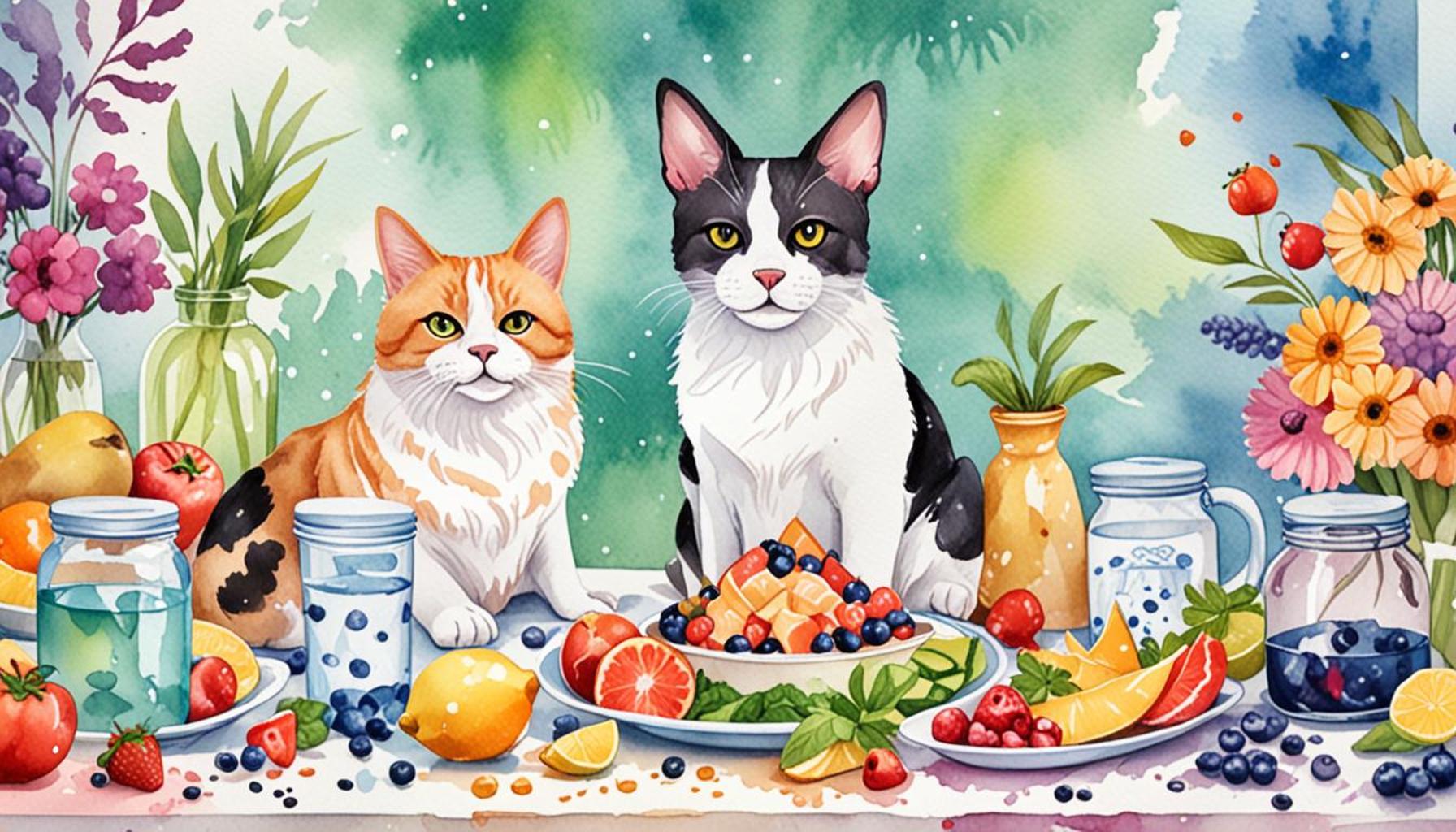
Understanding Pet Nutrition
Providing your furry friends with the right food goes beyond just filling their bowls. Balanced nutrition plays a crucial role in ensuring that pets lead healthy, happy lives. It’s essential for preventing diseases and enhancing their overall well-being. A pet’s diet should consist of the right proportions of proteins, fats, carbohydrates, vitamins, and minerals to support their physical and mental health. This holistic approach adds not only years to their lives but also vitality to those years.
The Benefits of Balanced Nutrition
Why should pet owners pay attention to nutrition? Here are some key reasons:
- Improved Energy Levels: A balanced diet ensures pets are energetic and playful. For example, dogs that consume a diet rich in high-quality protein, such as chicken or fish, often display increased stamina, allowing them to engage in longer play sessions or walks.
- Stronger Immune System: Proper nutrition strengthens their ability to fight off illnesses. Foods enriched with antioxidants, like blueberries and carrots, can boost both cats’ and dogs’ immune systems, which is particularly essential in a tropical climate like Nigeria, where they may encounter parasites and viruses.
- Healthy Weight Maintenance: Balanced meals help avoid obesity, which is a growing concern. Obesity can lead to various health issues such as diabetes and joint problems. Monitoring a pet’s caloric intake while ensuring a mix of proteins, vegetables, and healthy fats can make a significant difference.
Nutrition Gaps in Nigerian Pet Food
In Nigeria, many pet owners may not realize that commercially available pet food can sometimes lack essential nutrients. Some brands may offer products that do not cater to the specific dietary needs of local pets. For instance, certain imported brands might contain ingredients that are not suitable or familiar to pets accustomed to a different diet.
Moreover, homemade diets without proper guidance can lead to nutritional deficiencies and imbalances. While homemade meals can be nutritious, they must be carefully balanced to include all the necessary vitamins and minerals. Owners who formulate diets based on rice and chicken alone, for example, may unknowingly deprive their pets of critical nutrients found in vegetables and grains.
Thus, educating yourself about your pet’s dietary needs is vital. Consulting with a veterinarian or a pet nutritionist can provide tailored advice that suits the unique needs of your furry companion. Learning about the optimal pet health requires a commitment to understanding how a balanced diet can enhance your pet’s life. Utilize resources such as local pet care workshops or online communities where you can share experiences and advice on pet nutrition, ensuring that they thrive physically and emotionally.

ADDITIONAL INSIGHTS: Expand your understanding here
The Critical Role of Proper Nutrition
When it comes to the well-being of our beloved pets, nutrition serves as the foundation upon which their health is built. A diet that encompasses a variety of essential nutrients not only supports their physical needs but also plays a vital role in their emotional and mental health. Pets, like humans, require a balanced combination of proteins, carbohydrates, fats, vitamins, and minerals to thrive. What might seem like a basic necessity is, in fact, a complex interplay that directly affects their lifespan and quality of life.
The Components of Balanced Nutrition
Understanding the individual components of a balanced diet is key for any pet owner striving to provide the best for their furry companions. Here’s a breakdown of the nutrient categories that should be included in a typical pet diet:
- Proteins: Essential for growth, maintenance, and repair of body tissues. They serve as the building blocks for muscles and play a critical role in hormone production. High-quality sources include fish, chicken, and beef.
- Carbohydrates: A source of energy, carbohydrates also aid in proper digestive function. Grains such as rice, maize, and even sweet potatoes can serve as excellent energy sources for pets.
- Fats: Necessary for absorbing certain vitamins and providing a concentrated source of energy, healthy fats from fish oil or flaxseed can contribute to a glossy coat and healthy skin.
- Vitamins and Minerals: These micronutrients are equally important, playing diverse roles in metabolic processes and overall body function. For instance, calcium and phosphorus are crucial for bone health, while vitamins A and E offer antioxidant benefits.
Each of these components must be offered in appropriate ratios to support a pet’s unique life stage, size, and breed. For example, a growing puppy will require more protein than an adult dog, just as pregnant or nursing pets have different nutritional needs compared to their non-pregnant counterparts.
Common Misconceptions about Pet Nutrition
Despite the wealth of information available, many pet owners in Nigeria continue to cling to outdated or misleading beliefs regarding pet nutrition. One common misconception is that all commercial pet foods are created equal. In reality, the quality and source of ingredients can vary widely among brands. Some may be laden with fillers and artificial additives, which offer little in the way of nutritional value.
A significant challenge in Nigerian pet care is the tendency to rely heavily on traditional diets or table scraps, which may not provide balanced nutrition. While sharing your meal with your dog or cat may seem harmless, many human foods—especially those high in fat, salt, or sugars—can be detrimental to your pet’s health.
To combat these misconceptions, it’s imperative for pet owners to stay informed and vigilant. Engaging with veterinarians or qualified pet nutritionists can pave the way for a better understanding of what constitutes a balanced diet tailored for the specific needs of your pet. Investing time in research and education will ensure your beloved companion receives optimal nutrition to lead a healthy and vibrant life.
| Category | Details |
|---|---|
| Nutritional Balance | A well-rounded diet ensures pets receive essential vitamins, minerals, and nutrients necessary for optimal health. |
| Weight Management | Balanced nutrition aids in maintaining a healthy weight, reducing the risk of obesity-related diseases. |
| Digestive Health | Proper balance improves gastrointestinal health, promoting regular bowel movements and overall wellbeing. |
| Enhanced Immunity | Balanced diets support immune function, helping pets to better fight off infections and diseases. |
Maintaining a diet that prioritizes balanced nutrition is crucial for pet health, influencing long-term quality of life. Pet owners should delve into the significance of nutrition to foster not just physical health but also mental well-being. Furthermore, providing individual dietary requirements based on pet size, breed, and age can avoid complications down the line. Implementing quality ingredients rather than fillers can markedly improve pets’ vitality and longevity.It is vital for pet owners to recognize the broad aspects of what constitutes balanced nutrition. A combination of proteins, carbohydrates, fats, vitamins, and minerals plays an important role not only in day-to-day health but also in sustaining higher energy levels, perfecting skin and coat quality, and enhancing overall happiness. This holistic approach gives our furry friends the best chance at a vibrant, healthy life. Exploring more on specialized diets could strengthen the bond between pets and owners.
SEE ALSO: Click here to read another article
Long-Term Health Benefits of Balanced Nutrition
Providing pets with a balanced nutrition plan carries numerous benefits that extend far beyond everyday health. A nutritious diet fosters improved longevity, better overall well-being, and enhanced quality of life for pets, alerting owners to potential health concerns early on. With the correct dietary components, pet owners can proactively safeguard their furry friends against various health issues, including obesity, digestive disorders, and skin irritations.
Combatting Obesity and Related Health Issues
One prevalent concern among pet owners in Nigeria is the rising rate of obesity among household pets. As more families transition to urban living, alongside easier access to high-calorie pet foods and human scraps, many pets are gaining excessive weight. Obesity places pets at risk for a plethora of health conditions, such as diabetes, joint problems, and cardiovascular diseases. A balanced diet, precise in its macronutrient ratios, plays a crucial role in managing a pet’s weight.
For instance, offering portion-controlled meals tailored to a pet’s activity level can prevent unwanted weight gain. Incorporating fiber-rich ingredients such as pumpkin or green beans may aid in digestion and contribute to a feeling of fullness, minimizing the temptation for overindulgence. In this regard, understanding how to read nutritional labels and ingredient lists is vital for making informed feeding decisions.
Promoting Optimal Digestive Health
Another critical aspect of balanced nutrition is its profound effect on digestive health. Pets often suffer from gastrointestinal issues, particularly when diets lack the necessary fiber and nutrients to support efficient digestion. Providing a diet rich in probiotics (beneficial gut bacteria) and prebiotics (food for these bacteria) aids in maintaining gut health and enhancing nutrient absorption.
In Nigeria, many pet owners may overlook the importance of fiber in their pet’s diet. Including natural fiber sources, such as oats and peas, not only supports digestive function but can significantly reduce the risk of conditions like constipation or diarrhea. It’s essential for pet owners to explore specialized pet foods that cater to digestive health, especially if their furry companions frequently experience tummy troubles.
The Importance of Regular Veterinary Assessments
No discussion of balanced nutrition is complete without emphasizing the vital role that regular veterinary check-ups play in monitoring a pet’s health. These visits can help identify any deficiencies or excesses in nutrition that can affect a pet’s well-being. For example, routine blood tests can reveal nutritional imbalances, while the veterinarian can advocate for dietary adjustments suited to a pet’s specific needs.
Regular assessments ensure pet owners stay updated on the evolving nutritional requirements of their pets, further solidifying the importance of a proactive approach to pet health. Additionally, knowledge of prevalent local health issues, such as canine parvovirus or feline urinary tract disease, can guide decisions on suitable diets that mitigate these risks.
Practical Tips for Achieving Balanced Nutrition
To support the mission of providing balanced nutrition to pets, here are some practical tips for pet owners:
- Read Labels: Familiarize yourself with ingredient lists and nutritional content when purchasing pet food.
- Diverse Diet: Rotate proteins and textures in meals to provide a broad spectrum of nutrients.
- Stay Hydrated: Always ensure fresh water is readily available, as hydration is as important as nutrition itself.
- Homemade Meals: If choosing to cook for your pet, research recipes carefully to ensure a balanced intake of nutrients.
- Consult Experts: Leverage the expertise of veterinarians and pet nutritionists for tailored dietary advice.
In Nigeria, where dietary preferences can be influenced by cultural practices, being informed about balanced nutrition is key. By understanding the implications of dietary choices and actively seeking well-rounded nutrition for pets, owners can foster healthier, happier lives for their companions.
ADDITIONAL INSIGHTS: Expand your understanding here
Conclusion
In summary, balanced nutrition is not merely a choice but a fundamental necessity for ensuring optimal health and longevity in pets. As we’ve explored, the benefits of a nutritionally rich diet extend to various aspects of well-being, from maintaining a healthy weight to promoting digestive health. Pet owners must recognize that the right dietary approach can prevent serious health issues, including obesity and gastrointestinal disorders, which are becoming increasingly prevalent in Nigeria’s urban settings.
Moreover, regular veterinary check-ups become an invaluable ally in this journey, ensuring that pets receive individualized dietary recommendations based on their specific health needs. By consistently monitoring their pet’s nutritional requirements and potential health risks, owners can tailor diets that best support their companions.
It is crucial for pet owners to actively engage with and educate themselves on the nutritional content of pet foods and seek advice when necessary. Harnessing knowledge can profoundly influence a pet’s quality of life, transforming the daily feeding routine into a powerful tool for health. While the local dietary landscape continues to evolve, making informed choices about pet nutrition can lead to profound improvements in their overall happiness and vitality.
As you navigate the options available, remember that every meal is an opportunity to strengthen your bond with your pet while facilitating their health journey. Embrace balanced nutrition today, for a healthier tomorrow for your cherished companions.
Related posts:
Animal Adoption from the Streets: How to Make a Difference in the Community
Developing a Behavioral Training Program for Therapy Pets in Nigerian Communities
The importance of behavior training for street dogs in Nigeria
The Best Resources and Organizations for Animal Adoption in Nigeria
How Behavior Training Can Reduce Aggressiveness in Dogs in Nigeria
How the urban environment of Nigeria influences pet behavioral training

Linda Carter is a writer and pet care expert specializing in pet health, grooming, and wellness. With extensive experience helping pet owners create safe, loving, and enriching environments for their animals, Linda shares her knowledge on our platform. Her goal is to empower readers with practical advice and strategies to ensure their pets thrive and lead joyful, healthy lives.