Effective Behavioral Training Strategies for Cats in Urban Environments
The Unique Challenges of Cat Care in Urban Environments
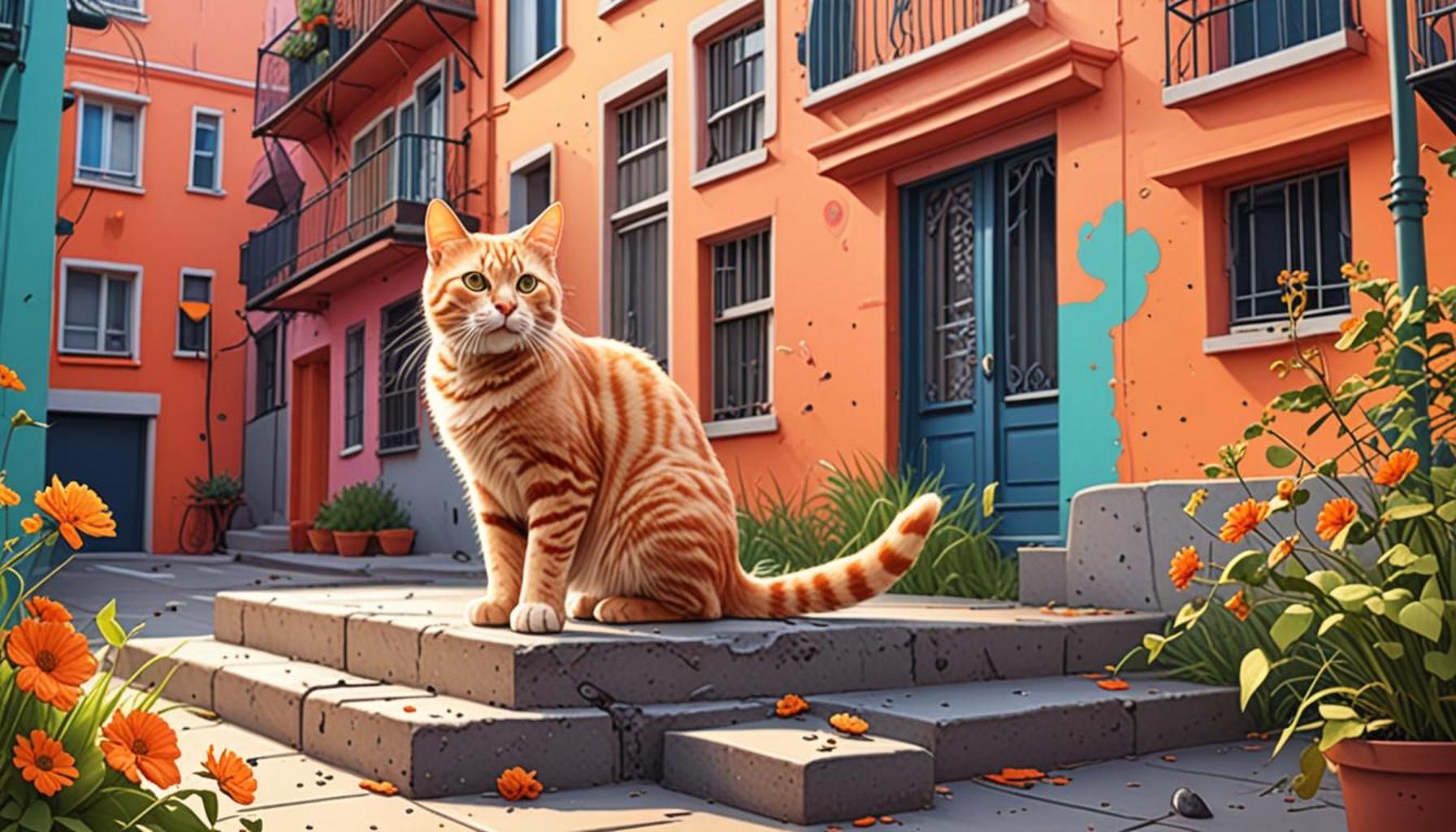
Living in an urban setting undoubtedly brings different experiences and challenges, especially for pets like cats. With bustling streets filled with the sounds of traffic, the constant presence of people, and limited living spaces, cats can often feel overwhelmed, leading to elevated stress levels and behavioral issues. Therefore, understanding and supporting our feline companions in these environments becomes essential for their overall well-being.
Understanding Instincts and Needs
Training a cat that resides in a city involves not only consideration of their inherent instincts but also an awareness of their specific needs in these environments. With urban cats often being confined to smaller living quarters, it is vital to provide avenues for them to explore and play within those limitations. The following elements should be considered:
- Environmental Stimulation: Cats are naturally curious creatures; they thrive on stimulation. To prevent boredom and the behavioral issues that can arise from it, owners should invest in various interactive toys. Feather wands, laser pointers, and puzzle feeders can provide essential mental and physical exercise. Creating vertical spaces, such as shelving or cat trees, can also allow cats to explore and survey their territory.
- Socialization Opportunities: Exposure to various people and pets is critical for a cat’s confidence. In Nigeria, consider inviting friends with calm pets over for casual meet-ups. Gradually introducing your cat to these new individuals and animals can help them feel secure and reduce anxiety in busy public environments.
- Safe Spaces: Given the unique noises of urban life, such as honking cars or construction sounds, it’s essential that cats have safe retreats within the home where they can feel secure. This could be a cozy bed placed in a quiet corner or a box with a blanket where the cat can hide away when overwhelmed.
Addressing Common Behavioral Issues
Understanding and modifying behavior in urban cats involves addressing issues that can arise due to environmental pressures. Many urban cat owners may find themselves facing problems such as:
- Scratching Furniture: Scratching is a natural feline behavior, but it can be problematic when it turns into an indoor disturbance. Training your cat to use scratching posts can drastically reduce this behavior. Utilize catnip and positive reinforcement techniques to encourage the usage of designated posts.
- Excessive Meowing: Cats may vocalize for various reasons, ranging from attention-seeking behavior to stress. Understanding your cat’s vocalization triggers, such as hunger or the desire for play, can help you address the underlying issues and create a more comfortable environment for both you and your cat.
- Inappropriate Elimination: Proper training for litter box usage is essential, especially in a confined setting. Ensure that the litter box is kept clean and is in a quiet area. If your cat is urinating outside the box, it may be indicative of stress or health issues that need immediate attention.
Urban cat owners, including those in diverse settings like Nigeria, can create a thriving environment by implementing these thoughtful training methods. Understanding a cat’s needs and behavior amidst the complexities of urban life can lead to improved behavior and a serene coexistence between feline companions and their families.
YOU MAY ALSO LIKE: Read read another article
Essential Strategies for Training Cats in Urban Settings
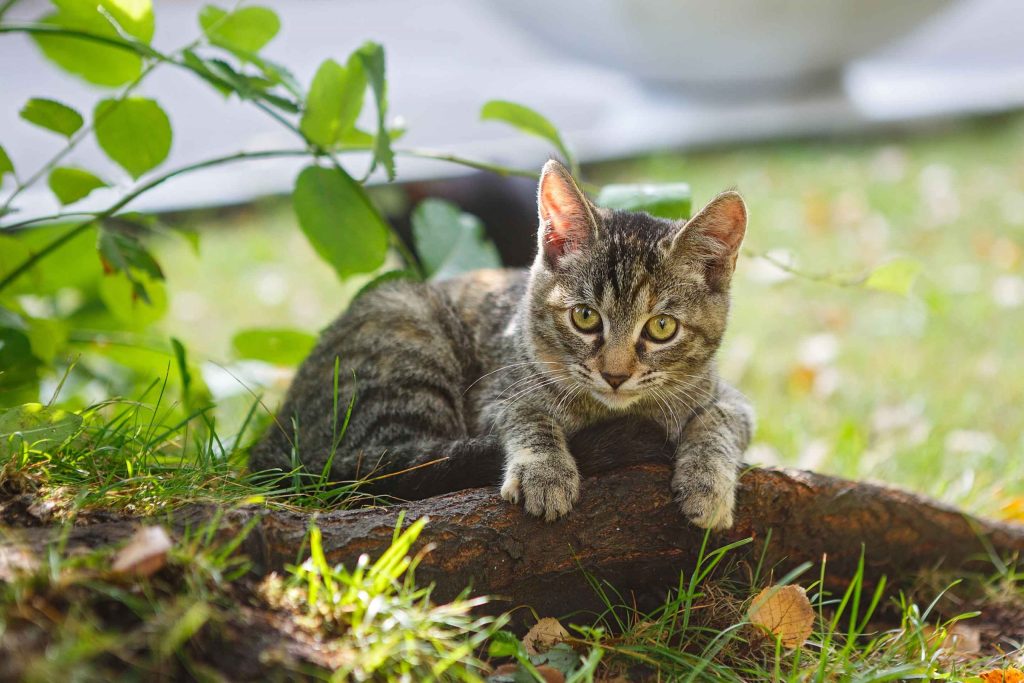
When navigating the complexities of training cats in bustling urban environments, a multifaceted approach is crucial. Urban settings can introduce various stressors that impact a cat’s behavior, necessitating tailored strategies for effective training. Here, we explore key behavioral training techniques that can transform how cats adapt and thrive in city life.
Utilizing Positive Reinforcement
One of the most powerful tools in any cat owner’s training arsenal is positive reinforcement. This strategy focuses on rewarding desirable behaviors rather than punishing unwanted actions. For instance, if your cat uses their scratching post instead of your furniture, provide a treat or verbal praise immediately afterward. This creates a positive association with the behavior. In urban Nigeria, where distractions abound, consistency in delivering rewards is vital for establishing a routine.
Incorporating Routine and Structure
Urban cats benefit immensely from routine. Providing your feline friend with regular feeding, playtime, and interaction can create a sense of predictability amidst the chaos of the city. Observing your cat’s behavior and identifying optimal times for play and engagement can enhance training outcomes significantly. Owners should aim to:
- Establish a Daily Schedule: Regular feeding times and play sessions help cats understand what to expect, reducing anxiety. Consistency is key; feeding and interaction should occur at roughly the same time each day.
- Encourage Playtime: Interactive play sessions with toys that mimic natural prey movements, like feather wands, can channel a cat’s energy productively. In addition, engaging them in this manner encourages bonding and establishes you as a playful companion.
- Limit Access to Stressors: Reducing exposure to overwhelming stimuli, such as loud noises or bustling streets, can prevent stress-related behaviors. Owners might consider utilizing calming products or pheromone diffusers, which can create a more soothing environment while training.
Socialization Techniques for Enhanced Adaptability
The importance of socialization cannot be overstated in urban environments. Often, city life can lead to sensory overload for cats. Exposing them gradually to different stimuli can foster confidence and adaptability. Simple strategies include:
- Gradual Exposure to New Sounds: Play recordings of city noises at a low volume during relaxed times to acclimate your cat to environmental sounds. Gradually increasing the volume as they become more comfortable can aid in desensitization.
- Introducing New People: Invite friends over and encourage quiet interaction with your cat. Allowing them to approach new individuals on their terms can significantly reduce anxiety.
- Mixing with Other Pets: If feasible, facilitating meet-and-greets with calm, friendly pets can help your cat learn to coexist in diverse social settings without fear.
By focusing on these tailored behavioral training strategies, urban cat owners can cultivate an enriching environment for their pets. Understanding the unique challenges and leveraging effective methods can lead to a happier, healthier feline companion navigating the intricacies of city living.
| Training Technique | Advantages |
|---|---|
| Clicker Training | Encourages positive behavior through immediate feedback, enhancing communication with your cat. |
| Positive Reinforcement | Strengthens desired behaviors by rewarding them, leading to happier and less stressed cats in urban settings. |
Incorporating these training techniques can significantly improve the quality of life for both cat owners and their feline companions in bustling urban environments. For instance, clicker training can be an engaging way to communicate and bond with your cat, providing them with mental stimulation that is often lacking in city living. Moreover, behaviorally enriched cats are less likely to exhibit common issues such as anxiety or destructive behavior.Conversely, positive reinforcement not only builds trust but also creates a confident and well-adjusted cat. When cats are rewarded for good behavior, they learn to associate urban challenges, like loud noises and crowded spaces, with positive outcomes. This proactive approach allows cats to navigate their environments more comfortably. Owners can employ simple commands or tricks as part of this training, making daily interactions more rewarding. The advantages extend beyond the training sessions as both pet and owner begin to understand and appreciate each other’s needs and behaviors in their dynamic urban home.
LEARN MORE: This related article may interest you
Expanding Training Techniques with Environmental Enrichment
As urban dwellers, many cats face the challenge of limited space and opportunities for exploration. To mitigate these issues, environmental enrichment plays a vital role in behavioral training. Offering various sensory experiences can significantly enhance a cat’s quality of life and positively influence their behavior. Here are some enrichment strategies to consider:
Creating Stimulating Spaces
A well-designed environment that stimulates your cat’s natural instincts can be transformative. In urban apartments, space may be limited, but creativity can make a major difference:
- Vertical Spaces: Utilize cat trees, shelves, or window perches to provide a vertical playground. Cats naturally enjoy climbing and observing their surroundings from high vantage points, which can alleviate boredom and enhance their sense of safety.
- Texture Variety: Incorporate various textures in your home, such as scratching pads, soft carpets, and sisal-covered furniture. This not only encourages healthy scratching behaviors but also keeps your cat intrigued and engaged.
- Interactive Objects: Invest in puzzle toys and treat dispensers that encourage problem-solving. These toys can keep their minds sharp and divert attention from potentially destructive behaviors brought on by stress and anxiety.
Leveraging Outdoor Experiences Safely
Urban environments can be limiting, but there are safe ways to integrate the outdoors into your cat’s life:
- Leash Training: Teaching your cat to walk on a leash can open up new avenues for exploration. Start indoors, then gradually transition to a controlled outdoor environment. This approach not only provides exercise but also satiates their curiosity about the outside world.
- Cat Enclosures: For those concerned about safety, cat enclosures or “catios” offer an excellent option. These can provide the necessary outdoors experience without the risks of urban wildlife or traffic.
- Window Boxes and Observation Perches: Install bird feeders outside your windows to attract local wildlife. Cats can enjoy watching the birds and squirrels from a safe distance, allowing them to engage their predatory instincts without leaving home.
Establishing Regular Training Sessions
Consistency is essential in any training regimen. Establishing a dedicated time for training can foster positive behavioral outcomes:
- Short, Frequent Sessions: Cats have short attention spans, so aim for training sessions of about 5-10 minutes daily. This encourages focus and reinforces learning without causing frustration.
- Adapting Training to Urban Life: Focus on commands or behaviors relevant to urban living, such as “come” when called, or “leave it” to prevent your cat from exploring unsafe items or areas.
- Using Technology: Consider utilizing smartphone apps that provide training tips, track progress, or even stimulate your cat with virtual games. Technological tools can be great companions for enhancing training experiences.
By taking advantage of environmental enrichment, outdoor experiences, and structured training sessions, urban cat owners can significantly improve their pet’s behavioral health. Tailoring these strategies fosters a harmonious existence between urban living and a cat’s innate instincts, proving essential for a well-adjusted feline in a bustling city landscape.
ADDITIONAL INSIGHTS: Expand your understanding here
Conclusion
In conclusion, implementing effective behavioral training strategies for cats in urban environments is not only beneficial but also essential for fostering happy and well-adjusted pets. The unique challenges urban living presents – such as limited space and heightened stimuli – require pet owners to be innovative and resourceful. By establishing stimulating environments, owners can tap into their cats’ natural instincts, enriching their daily lives and mitigating unwanted behaviors.
Moreover, the integration of outdoor experiences through safe practices like leash training and cat enclosures further enhances a feline’s quality of life, providing outlets for exploration and exercise. The inclusion of interactive toys and regular training sessions ensures that a cat remains engaged and mentally stimulated, which is particularly crucial in urban settings where boredom can lead to destructive habits.
For cat owners in Nigeria and similar urban landscapes, understanding these strategies can significantly transform the interaction between human and feline companions. Adapting training techniques to urban reality is not just a matter of convenience; it is vital for pet welfare and their overall behavioral health. As urbanites increasingly embrace the joys of cat ownership, the pursuit of these effective training strategies empowers them to create a harmonious existence, balancing urban life with their cats’ intrinsic needs. Ultimately, a well-trained cat can thrive in an urban environment, turning challenges into opportunities for enrichment and bonding.
Related posts:
Understanding Allergies in Pets: Symptoms and Effective Treatments
Nutritional Supplements: When and How to Use Them to Improve Your Pet's Health
The Importance of Regular Exercise for Pets' Physical and Mental Health
The Importance of Volunteering in Animal Shelters to Promote Adoption in Nigeria
The Benefits of Adopting Senior Animals: Tips and Considerations
How Animal Adoption Can Promote Empathy and Social Responsibility in Youth

Linda Carter is a writer and pet care expert specializing in pet health, grooming, and wellness. With extensive experience helping pet owners create safe, loving, and enriching environments for their animals, Linda shares her knowledge on our platform. Her goal is to empower readers with practical advice and strategies to ensure their pets thrive and lead joyful, healthy lives.