The influence of Nigerian culture on pet behavior training
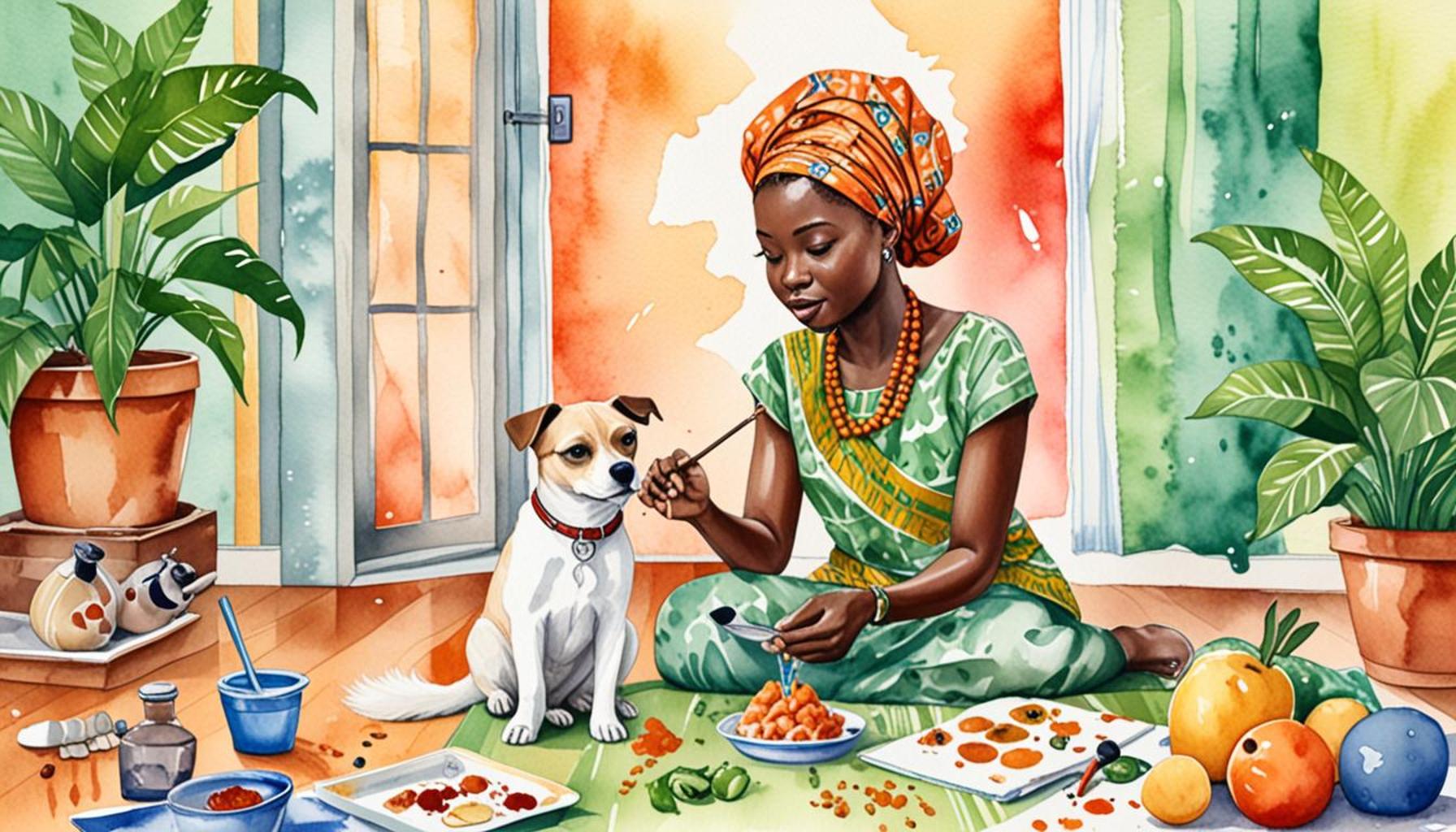
The Role of Culture in Shaping Pet Training in Nigeria
Nigerian culture possesses a rich tapestry of traditions, beliefs, and values that distinctly shape various aspects of life, including pet behavior training. This dynamic interplay between cultural heritage and animal training techniques brings unique perspectives to how pets are understood and nurtured in Nigerian households.
The connection between pet training methodologies and cultural heritage is not merely anecdotal; it stems from the underlying principles and values that guide everyday interactions. A significant factor in this relationship is how pets are perceived. For many Nigerians, pets are not just animals but rather integral members of the family. This cultural ethos fosters a compassionate and nurturing approach to training, where positive reinforcement and understanding are preferred over harsh discipline.
Community Values
Community values play a pivotal role in shaping how pets are trained. In rural areas, for example, it is not uncommon for dogs to serve dual purposes: as companions and protectors of the household. Villagers may train their dogs using communal methods, where collective experiences and shared knowledge inform training techniques. Consequently, the dog not only learns commands but also integrates into the social fabric of the community.
Traditional Practices
Traditional practices also come into play. Many indigenous training methods are steeped in folklore, encompassing stories and proverbs that promote harmonious living with animals. For instance, a common belief is that treating animals with respect fosters loyalty and responsiveness. Training techniques that align with this philosophy often include gentle methods, where voice modulation and body language are crucial elements. During training sessions, a trainer might employ familiar songs or rhythmic claps that resonate not just with the pet but evoke a sense of belonging within the family unit.
Language and Communication
The language and communication styles within different Nigerian ethnic groups impact the commands and signals used in training. Each community may have its own unique dialects that influence how commands are structured or articulated. For example, a dog trained in Yoruba might respond differently to commands than the same dog trained in Hausa, underscoring the importance of cultural context in effective pet training. This linguistic diversity becomes a crucial factor in ensuring that animals respond appropriately, creating a seamless communication channel between the owner and the pet.
Understanding these elements offers a broader perspective on why certain training methods resonate more deeply within Nigerian culture. The emphasis on empathy, respect, and community can make training sessions feel more like family gatherings than strict obedience exercises. As we delve deeper into this subject, we will uncover how the rich cultural heritage of Nigeria enhances the relationship between humans and their pets, prompting even greater exploration into the intersection of culture and animal care.
LEARN MORE: This related article may interest you
Cultural Perspectives on Training Techniques
The training of pets in Nigeria exemplifies a fascinating fusion of local practices, beliefs, and the nation’s diversity. One cannot overlook the profound influence that Nigeria’s ethnic backgrounds have on pet behavior training. With over 250 ethnic groups and multiple languages, the way pets are trained often mirrors the distinct cultural paradigms embedded within each community.
Nigerians typically view animals through a cultural lens that emphasizes companionship and loyalty. When considering how this perception shapes training methodologies, several pivotal aspects emerge:
- Respect for Ancestral Knowledge: Many trainers incorporate age-old methods passed down through generations. This includes utilizing traditional songs or chants during training sessions, which engage animals on a level that resonates with their innate behavioral patterns.
- Integration of Spiritual Beliefs: In some Nigerian cultures, the spiritual dimension plays a role in training. Beliefs in the spiritual connection between humans and animals foster an environment where pets are treated as sentient beings deserving of respect, rather than mere possessions.
- Collective Training Practices: In communal societies, animals are often trained collectively, with families pooling their knowledge and resources. This shared approach creates a consistent learning environment for pets and reinforces social bonds among trainers, highlighting the community-centric nature of pet care.
The Impact of Societal Customs
Societal customs significantly influence the specific techniques adopted during training. In urban areas, for instance, the presence of various cultures leads to the amalgamation of training techniques. Here, the emphasis might shift towards performance-based training, influenced by the fast-paced lifestyle and the growing trend of pet shows or competitions that showcase skills like agility or obedience.
Moreover, pets are increasingly seen as symbols of status within urban environments, leading to an evolution in training methods that emphasize appearance and social conduct. Consequently, training regimens may prioritize impressive tricks or fashionable behavior, often accompanied by intensive socialization workshops that bring together pets from diverse backgrounds.
Adapting Modern Techniques to Traditional Values
While modern pet training methods—such as clicker training—have emerged, many trainers in Nigeria are adept at blending these contemporary techniques with traditional values. This integration not only makes pet training more effective but also ensures that cultural sensitivity remains intact. Trainers often report that using a combination of positive reinforcement methods alongside culturally resonant techniques yields better results.
In this cultural milieu, the bond between pet and owner grows stronger, as the training process becomes an expression of shared values and mutual respect. The infusion of Nigerian traditions into pet behavior training reveals a deeper understanding of animals and highlights the unique approach of intertwining human experiences with animal psychology. As we delve further into the topic, we will explore the ways in which these cultural characteristics lead to advancements in pet training practices across Nigeria.
The rich tapestry of Nigerian culture presents an intriguing backdrop to the methods employed in pet behavior training. With a diverse range of traditions and beliefs, the Nigerian approach to training pets often intertwines cultural significance with practical techniques. For example, in many Nigerian communities, animals are viewed not just as pets but as integral members of the family. This perspective encourages owners to engage in training that prioritizes bonding and mutual respect, fostering an environment where pets feel secure and valued.
The Nigerian emphasis on community and collective practices also reflects in pet training methodologies. Techniques that involve family participation create a more cohesive learning experience for pets, ensuring consistent commands and behaviors are established. Moreover, the use of indigenous languages in training can enhance communication, leading to improved understanding between the trainer and the pet. This culturally rooted approach enriches the training process, making it not just a functional task but a shared journey filled with cultural expressions.
Another notable aspect is the integration of traditional stories and ethics into training routines. By incorporating cultural narratives that outline moral lessons, pet owners can instill values such as loyalty and obedience. These stories often resonate deeply with the community, making the training techniques more relatable and impactful. In this way, the training process becomes a cultural education in itself, showcasing the intertwining of human values with animal behavior.
| Category 1 | Category 2 |
|---|---|
| Cultural Family Bonds | Training emphasizes strengthening relationships between pets and families. |
| Community Engagement | Encourages collective learning experiences, integrating cultural practices. |
Additionally, Nigerian culture’s respect for the environment influences methods of training. Many trainers incorporate natural elements and settings, reinforcing the idea that pets thrive in harmonious relationships with their surroundings. This ecological approach not only benefits pets but also strengthens the bond between the owner and the environment.
Overall, the influence of Nigerian cultural values on pet behavior training manifests through holistic practices that promote empathy, respect, and communal bonds. By tapping into these cultural roots, trainers can discover methods that resonate more profoundly with both pets and their handlers, leading to successful and enriching training experiences that extend beyond mere obedience.
RECOMMENDED: Check out this similar article
Rituals and Their Role in Training
In Nigeria, the practice of incorporating rituals into pet training reflects the spiritual and cultural nuances that shape the bond between humans and their animals. These rituals often serve to reinforce the training process and establish an environment of trust and understanding. For instance, some trainers might initiate training sessions with a short prayer or an acknowledgment of the animal’s spirit, illustrating a deep respect for all living beings.
The use of storytelling is another vital aspect of Nigerian culture that finds its way into pet training. Traditional tales of animal wisdom and human-animal relationships can be used as a means of communicating the desired behavior. By weaving morals from foundational fables into the training exercises, trainers instill not only obedience but also a sense of morality in the pets. This storytelling approach encourages pets to respond positively as they become engaged in the narrative, making training sessions more dynamic and enjoyable.
Gender Roles and Training Dynamics
Cultural perceptions of gender roles within Nigerian society also influence pet training practices. In many communities, it is predominantly women who engage in pet care and training, often relying on gentler methods to cultivate an affectionate relationship with the animals. The focus here is more on emotional bonding and less on strict obedience, which can be beneficial for pets with sensitive temperaments. This nurturing style often results in well-adjusted animals who are social and connected to their human companions.
Conversely, in certain contexts, men may adopt a more commanding approach, emphasizing authority and discipline. Such dynamics can lead to a varied training atmosphere depending on who is engaging with the pet. As such, trainers are expanding their understanding of how to balance these differing styles, recognizing that a more holistic approach can lead to a well-rounded training experience for the pet.
The Influence of Local Resources
Nigeria’s diverse ecosystems also provide a unique backdrop for training resources. Urban areas may turn toward modern training aids, such as commercially available treats and gadgets, while rural settings often utilize homemade or natural alternatives, such as locally sourced foods. For instance, trainers might use traditional snacks like dried fish or yam as rewards, appealing to the specific dietary preferences of the animals while also reflecting local customs. This fusion not only makes the training process more relatable to the pets but also fortifies the cultural connection between the trainer and the animals.
Furthermore, access to technology varies across regions, influencing training techniques. In metropolitan areas, many pet trainers use social media to share their pet training successes, broadcasting effective culturally-infused methods that resonate with the Nigerian lifestyle. This digital interaction creates a ripple effect, where traditional techniques are shared and modified through global influences, leading to enriched training methodologies grounded in cultural significance.
Urbanization in Nigeria is altering the pet industry landscape significantly, with increased demand for professional trainers that can navigate both traditional practices and contemporary expectations. Trainers who can seamlessly blend these elements, embracing cultural heritage while also adapting to modern challenges, are more likely to reap successful outcomes in pet behavior training. By recognizing and dissecting these cultural currents, we gain insights into how Nigerian culture profoundly molds the way pets are trained, cared for, and understood across the nation.
SEE ALSO: Click here to read another article
Conclusion: Embracing Cultural Heritage in Pet Behavior Training
In exploring the influence of Nigerian culture on pet behavior training, it becomes evident that the intersection of traditional beliefs, storytelling, and local practices plays a pivotal role in shaping effective training methodologies. The incorporation of rituals, reflecting a deep spiritual connection between humans and their pets, not only promotes trust but also strengthens the bond central to successful training. Equally important is the use of engaging narratives rooted in Nigerian folklore, which infuses training with a sense of purpose and moral grounding, making sessions not just educational but entertaining as well.
Cultural dynamics surrounding gender roles add another layer to the training landscape, as female caregivers often prioritize affection and emotional connection, whereas male trainers may adopt a more authoritative stance. Understanding these differing approaches allows for a more holistic training experience that caters to an animal’s unique needs, ultimately leading to well-adjusted pets who thrive in their environments.
The integration of local resources, whether through traditional snacks or modern tools varying by region, reflects a resourceful and adaptive training approach that resonates with the community’s identity. Meanwhile, the influence of technology accelerates the sharing of culturally relevant training techniques, blending contemporary practices with longstanding traditions.
As urbanization continues to reshape Nigeria’s pet industry, recognizing the rich tapestry of cultural elements that inform pet training practices is crucial. Trainers who embrace these nuances are not only equipped to foster well-behaved pets but are also contributing to a deeper understanding of the interconnectedness between culture and animal behavior. This journey encourages all stakeholders, from trainers to pet owners, to appreciate and celebrate the distinct heritage that influences the way we train, care for, and connect with our beloved companions.
Related posts:
The Importance of Balanced Nutrition for the Health of Pets
How Behavior Training Can Reduce Aggressiveness in Dogs in Nigeria
Positive Training Techniques for Cats: Creating a Harmonious Environment
Developing a Behavioral Training Program for Therapy Pets in Nigerian Communities
How to Teach Basic Commands to Puppies: A Practical Guide for New Owners
Tips for Integrating an Adopted Animal into a Home with Children and Other Pets

Linda Carter is a writer and pet care expert specializing in pet health, grooming, and wellness. With extensive experience helping pet owners create safe, loving, and enriching environments for their animals, Linda shares her knowledge on our platform. Her goal is to empower readers with practical advice and strategies to ensure their pets thrive and lead joyful, healthy lives.