How the use of positive reinforcement can transform the behavior of cats in Nigerian homes
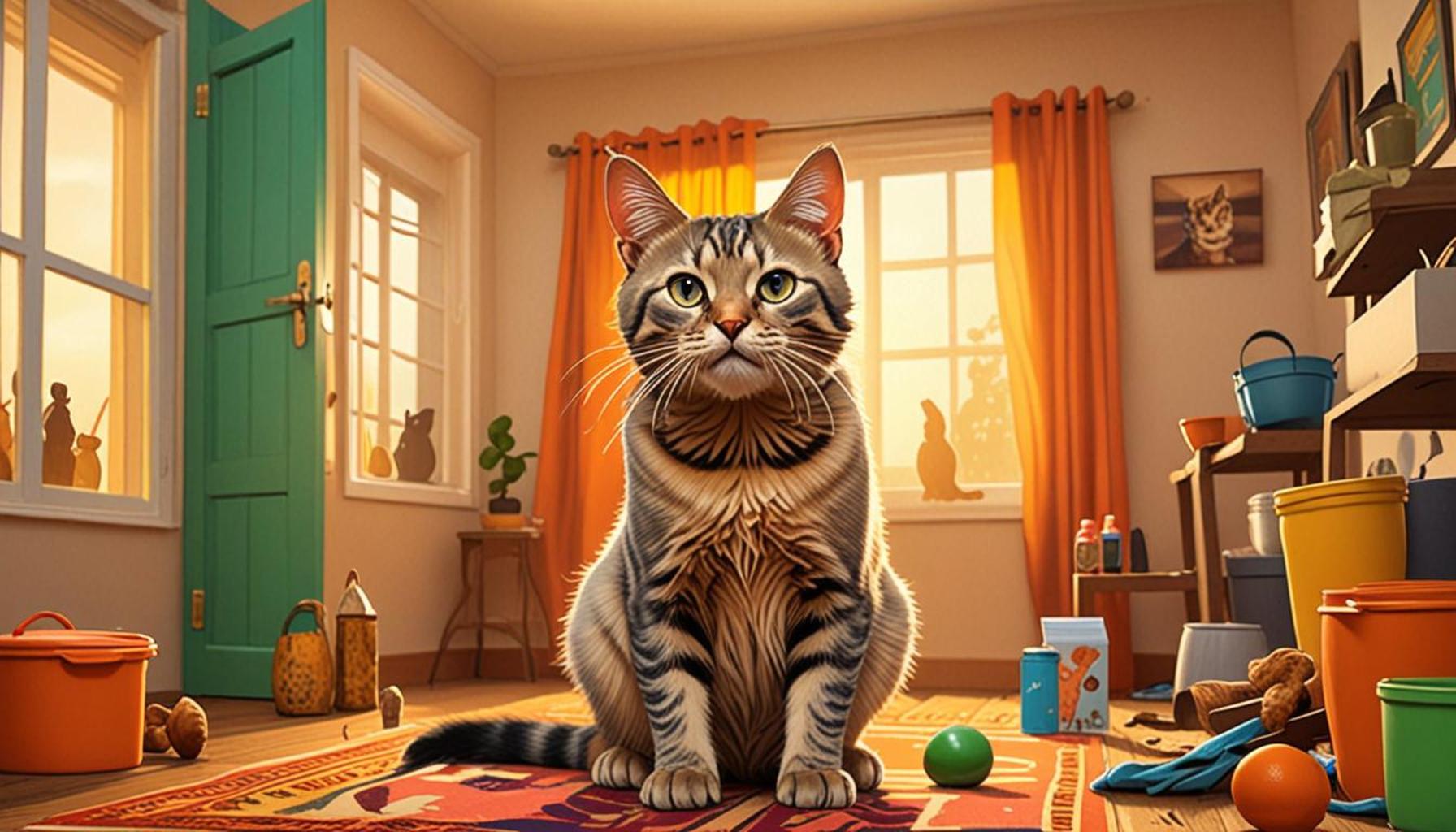
The Insights of Positive Reinforcement for Feline Companionship
As more households in Nigeria embrace the joys of pet ownership, cats are becoming increasingly popular for their playful antics and soothing purrs. Yet, with these feline friends come challenges, particularly when it comes to their behavior. Discovering effective ways to manage and understand these behaviors can be incredibly rewarding. One method gaining traction among pet owners is positive reinforcement, a training approach that significantly enhances the connection between cats and their humans.
At its core, positive reinforcement involves rewarding your cat for exhibiting desirable behaviors rather than punishing them for missteps. It encourages a more positive atmosphere, which can lead to transformative changes in your cat’s demeanor over time. For instance, every time your cat uses the litter box appropriately, offering a treat or affectionate praise reinforces that behavior, making it more likely to be repeated. Additionally, if your kitty opts for a scratching post instead of the expensive sofa, rewarding this smart choice will maximize the chances of this behavior lasting.
- Encourages Good Behavior: Rewarding your cat for desired actions, such as playing with specific toys or using designated areas to relieve themselves, helps to shape their conduct positively.
- Reduces Stress: When your cat associates your presence with rewards, they feel more relaxed and safe. This is especially beneficial in busy urban settings like Lagos or Abuja, where loud noises can sometimes frighten pets.
- Strengthens Bonds: Engaging in rewarding activities, such as interactive play with feather toys or clicker training, fosters trust and affection. These shared experiences are crucial in deepening the pet-owner relationship.
Furthermore, positive reinforcement is increasingly recognized as a superior alternative to punitive measures, which can exacerbate behavioral problems and breed fear. As urban lifestyles in Nigeria become more chaotic, the understanding of animal behavior is crucial. For instance, a cat that feels scared or threatened might resort to hissing or scratching. By employing positive reinforcement techniques, you can create a nurturing space where your cat feels comfortable and secure.
As pet owners embark on this rewarding journey, they will find that small changes yield significant results. With simple strategies like incorporating treat rewards or dedicating quality time for play, one can observe improvements in their cat’s mannerisms. The beauty of positive reinforcement lies not just in improved behavior but in fostering a trusting and loving relationship with your feline companion. This training method not only benefits the pet but enriches the lives of those who care for them, leading to a richer, more fulfilling companionship for years to come.
ADDITIONAL INSIGHTS: Expand your understanding here
Understanding the Framework of Positive Reinforcement
In every cat owner’s journey, behavioral challenges are often inevitable, ranging from litter box aversion to aggressive scratching. With urbanization reshaping Nigerian lifestyles, many households are now seeking innovative solutions to manage these challenges while ensuring harmonious coexistence with their furry companions. Enter positive reinforcement, a revolutionary approach that not only modifies behavior but also enhances the overall well-being of cats in homes across Nigeria.
Positive reinforcement relies on the principle of associating good behavior with rewards. This could entail giving your cat a tasty treat, verbal praise, or an engaging play session every time it performs a desired action. For example, if your cat responds to a call or plays gently with a child, promptly rewarding it instills a sense of accomplishment for the feline, motivating it to repeat such behavior. This method culminates in a win-win scenario for both owner and pet, reducing the chances of negative behaviors while promoting positive interactions.
The Core Benefits of Employing Positive Reinforcement
- Improved Behavior in Different Contexts: A cat that has been rewarded for using the scratching post instead of the furniture is less likely to revert to its destructive ways. This consistency, achieved through positive reinforcement, leads to better overall behavior.
- Creation of a Safe Space: In bustling cities like Lagos or Abuja, external noises and crowded environments can stress out animals. When positive reinforcement is employed, cats learn to associate their owner’s presence with comfort and security, helping them cope with urban chaos.
- Enhancement of the Human-Animal Bond: Engaging in reward-based activities, whether through training sessions or playful interactions, nurtures a deeper connection between the owner and their feline friend, fostering loyalty and trust.
Moreover, the immediate benefits of positive reinforcement go beyond mere behavior separation; it actively fortifies the mental health of the animal. Studies indicate that cats trained with positive reinforcement exhibit lower levels of anxiety and aggressive tendencies. In Nigeria, where the culture of caring for pets is rapidly evolving, recognizing the animal’s emotional needs is vital. Cats thrive in environments where they feel accepted and rewarded, allowing them to express their innate behaviors freely and safely.
As positive reinforcement methods gain momentum among cat owners, it is important to approach training with patience and consistency. By setting realistic goals, perhaps starting with simple commands like ‘sit’ or ‘come,’ owners can witness substantial changes in their cats over time. This gradual approach not only reinforces desired behaviors but also celebrates the small victories along the way, nurturing a positive atmosphere for both pet and owner.
In essence, embracing positive reinforcement is not just an effective training technique but a philosophy that transforms how Nigerian pet owners interact with their cats. The results are palpable, leading to a more joyful, stress-free household, and ultimately a happier, well-adjusted feline companion.
The implementation of positive reinforcement in training cats has revolutionized the dynamics of pet ownership, especially in Nigerian homes. By focusing on rewarding desirable behaviors rather than punishing the undesirable ones, cat owners can create an environment that fosters mutual respect and understanding. This method has been shown to minimize stress for both the cat and owner, leading to a more harmonious relationship.
Important aspects of positive reinforcement include consistency and timing. When a cat displays a good behavior, immediately rewarding them with treats or affection reinforces that behavior in their mind. This swift feedback is crucial to teaching them what is expected. For instance, rewarding a cat for using its litter box or scratching a designated post can significantly reduce unwanted behaviors like littering outside of their box or scratching furniture. Establishing a pattern of positive association makes it more likely that the cat will repeat these desirable actions.
Moreover, positive reinforcement helps in building confidence among cats. As they learn to communicate effectively with their human companions, they gain a sense of security in their environment. An important element of this process is the owner’s patience; results may not be immediate, but with time, cats can adapt and thrive in a loving and nurturing home. Such training techniques are practical and help in reducing anxiety, aggression, and behavioral issues that can lead to abandonment or re-homing.
A remarkable aspect of positive reinforcement is its versatility; it can be tailored to suit each individual cat’s personality and needs. Whether through verbal praise, treats, or interactive play, rewarding your cat can even be a way to strengthen the bond between human and pet. This approach not only transforms feline behavior but also contributes to the overall happiness and well-being of cats living in Nigerian households. Owners can explore more about this method and discover enriching ways to engage their furry friends.
| Category 1 | Category 2 |
|---|---|
| Improved Behavior | Cats learn to follow rules, reducing common issues such as litterbox avoidance. |
| Stress Reduction | Positive reinforcement minimizes stress and aggression in cats, creating a more relaxed environment. |
ADDITIONAL INSIGHTS: Expand your understanding here
Implementing Positive Reinforcement Techniques for Cats
To harness the power of positive reinforcement effectively, Nigerian cat owners can adopt a variety of practical techniques that cater to their home environment and the unique personalities of their feline friends. By understanding that every cat is an individual, owners can tailor their approach to create an interactive and rewarding training experience. This is especially crucial as many Nigerian households often experience diverse living conditions, from spacious homes in the suburbs to smaller apartments in high-density areas.
Creating a Reward System Tailored to Your Cat
One of the first steps in implementing positive reinforcement is to establish a reward system. Each cat has its unique preferences; while some may respond eagerly to treats such as fish-flavored snacks, others may be more motivated by the attention of a play session with a favorite toy. Owners should experiment with different rewards to find what resonates most with their pet. Brainstorming and experimenting in this manner is not only engaging but can also lead to deeper insights into a cat’s behavior and needs.
For instance, in a bustling city like Lagos, where noise can often unsettle pets, using a quiet room or a cozy nook as a reward space can help. When the cat displays desired behavior, the owner can gently lead it to this space and provide calming rewards such as gentle petting or treats. This not only reinforces positive behaviors but also promotes relaxation in an otherwise chaotic surroundings.
The Importance of Timing in Reinforcement
Timing is another crucial element in the application of positive reinforcement. Responses should be made almost immediately after the desired behavior occurs. This timing helps the cat make a clear connection between their action and the reward. For example, if a cat uses its litter box without issues, praising it while giving a treat right after will emphasize that good behavior. The immediacy of the reward reinforces the connection and increases the likelihood of similar behaviors in the future.
In training sessions, short sessions of about 5 to 10 minutes are recommended to maintain the cat’s attention and energy. Regular practice sessions can also be spaced throughout the day, allowing for flexibility in training without exhausting your feline companion.
Recognizing and Celebrating Small Victories
In the journey of positive reinforcement, it is crucial to recognize and celebrate even the smallest victories. Perhaps your cat showed restraint instead of scratching a couch or successfully navigated a new area of the home without anxiety. Acknowledging these moments fosters a positive atmosphere and encourages the cat to continue exhibiting desired behaviors. For example, using a specific phrase like “Good kitty!” in an enthusiastic tone can reinforce this positive experience; it’s an affirmation that they are doing well.
Simply put, the impact of positive reinforcement transcends mere behavioral changes. Through thoughtful interaction and consideration of the cat’s feelings, owners can reduce the likelihood of negative behaviors, creating a balanced and happy environment. In Nigeria, as more pet owners recognize the profound impact of emotional health on their feline companions, the use of such humane training techniques only promises to increase. This trend, embraced nationwide, could very well usher in a new era of pet companionship, driven by understanding and mutual respect.
RECOMMENDED: Check out this similar article
Conclusion: Embracing Positive Reinforcement for Feline Harmony
In summary, the utilization of positive reinforcement presents a transformative opportunity for cat owners across Nigeria to foster desirable behaviors in their feline companions. By establishing a personalized reward system tailored to individual cat preferences, pet owners can create an engaging and nurturing environment that encourages positive interactions. The adjustment of training techniques to adapt to the unique living conditions, such as the hectic lifestyle of cities like Lagos or the quieter suburbs, further enhances the potential for success.
Moreover, the importance of timing in delivering rewards establishes a clear connection between desired actions and positive outcomes. This clarity strengthens the bond between owners and their pets, creating a mutual understanding that enhances overall well-being. Recognizing and celebrating small victories not only boosts the cat’s confidence but also solidifies a foundation of trust and respect in the owner-pet relationship.
As awareness grows regarding the emotional and psychological needs of cats, the practice of positive reinforcement is set to revolutionize feline care in Nigerian homes. Moving beyond traditional training methods, this approach elevates the quality of life for both cats and their owners, paving the way for healthier, happier pets. The future of cat behavior management in Nigeria lies in embracing humane and understanding training techniques, ultimately fostering a joyful coexistence that celebrates the unique companionship shared between humans and their beloved cats. This movement encourages pet owners to delve deeper into the fascinating world of feline behavior, leading to more enriching experiences and stronger connections.
Related posts:
Training Methods for Behavior in Rescued Pets: Challenges and Achievements in Nigeria
The relationship between pet behavioral training and the mental health of Nigerian owners
Importance of Balanced Nutrition for Pet Health
How Environmental Stress Affects Pet Behavior During Training in Nigeria
Tips for Integrating an Adopted Animal into a Home with Children and Other Pets
Effective Strategies for Correcting Undesirable Behaviors in Adult Dogs in Nigeria

Linda Carter is a writer and pet care expert specializing in pet health, grooming, and wellness. With extensive experience helping pet owners create safe, loving, and enriching environments for their animals, Linda shares her knowledge on our platform. Her goal is to empower readers with practical advice and strategies to ensure their pets thrive and lead joyful, healthy lives.