The role of behavior training in the socialization of pets with children
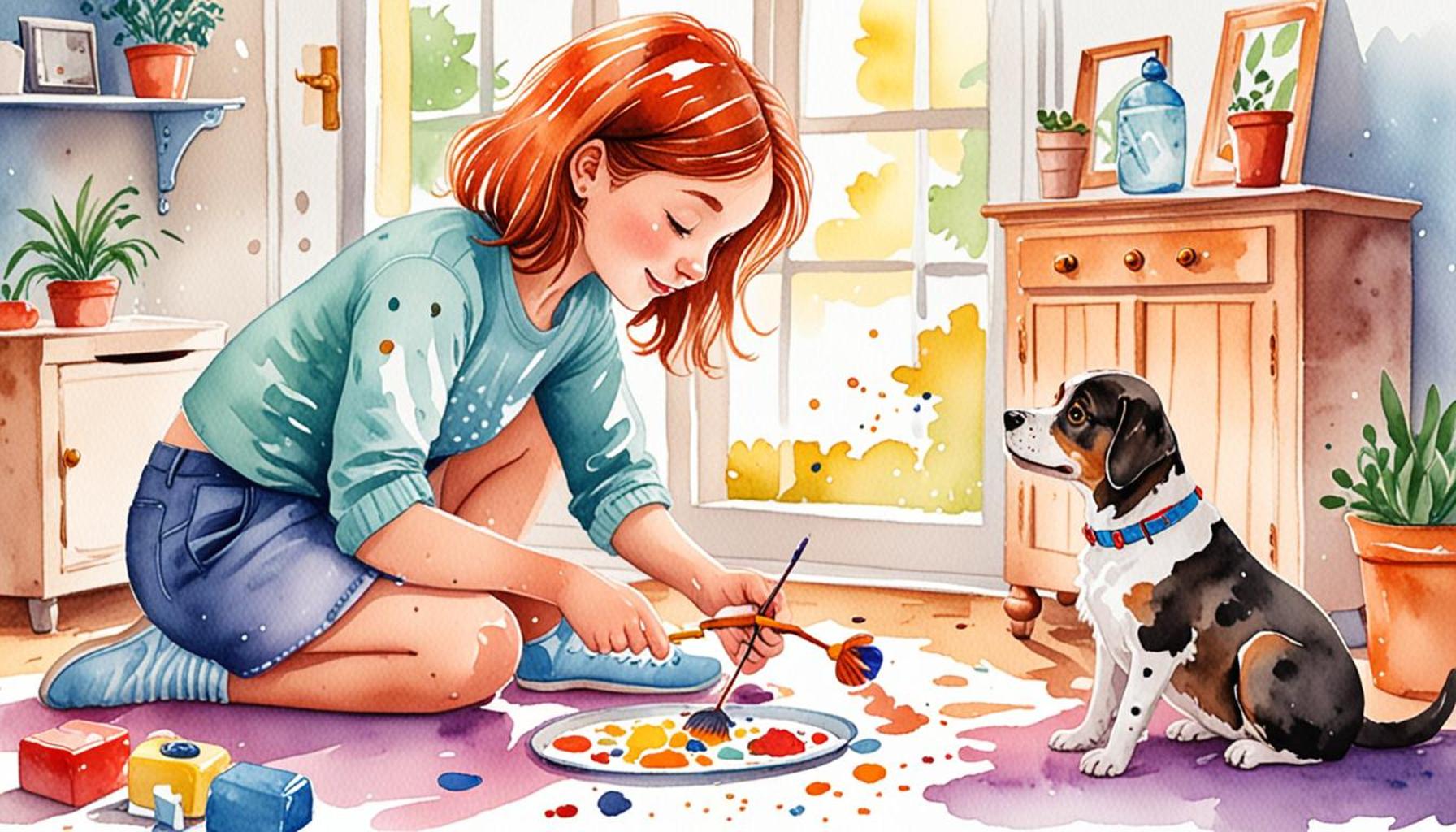
The Role of Behavior Training in Strengthening Family Dynamics
Integrating pets into family life is a rewarding experience, particularly in a culture like Nigeria’s, where animals often hold a special place in households. However, the delightful companionship that pets provide can sometimes come with challenges, especially when children are involved. This is where proper behavior training becomes essential, as it not only helps pets adapt to family life but also ensures a safe and nurturing environment for children.
Understanding Animal Behavior
One of the fundamental aspects of behavior training is understanding animal behavior. Pets often respond to different stimuli in ways that may be confusing or frightening for children. For instance, a loud noise might cause a dog to bark or hide, which can lead to a child misinterpreting its actions as aggressive. By educating both children and adults about common animal behaviors, fears can be alleviated, and misconceptions dispelled. Workshops or breed-specific training can offer insights into recognizing body language and stress signals in pets. For example, knowledge about when a dog is showing signs of discomfort can help children interact more thoughtfully, fostering a more peaceful coexistence.
Building Trust
Building trust between children and pets is vital for healthy interactions. Through effective training programs, children can learn how to engage with pets in a gentle and respectful manner. Techniques such as using treats as rewards or employing a calm voice can enhance the pet’s comfort level and encourage positive interactions. In Nigeria, where familial bonds are strong, teaching children the significance of trust can help them see pets not just as animals but as cherished family members. This emphasizes the need for guidance during initial introductions, ensuring that children understand boundaries and respect the pet’s space.
Encouraging Responsibility
Involving children in training sessions actively teaches them about responsibility and accountability. Assigning simple tasks, like feeding the pet or reminding them to walk it, embeds a sense of duty towards their furry companion. Furthermore, these activities provide opportunities for parents to reinforce lessons about caring for others, which are essential for social development. For example, children learn that pets are not toys but living beings requiring love and care, an understanding that may shape their future relationships.
In a rapidly urbanizing Nigeria, the need for behavior training is underscored by the increasing number of households adopting pets. Proper socialization can significantly reduce the likelihood of aggression, ensuring a safer environment for children. According to research, well-trained pets exhibit less anxiety and aggression, making interactions between your little ones and furry friends safer and more enjoyable.
The bond formed through training often results in lifelong friendships, enriching the emotional landscape of families. It also fosters essential social skills in children, such as empathy and patience. The more families invest in behavior training, the more they can enhance their familial bonds and truly integrate pets into their lives, creating a harmonious household where both children and pets thrive together.
CHECK OUT: Click here to explore more
The Importance of Behavior Training in Fostering Understanding
In the heart of every bustling Nigerian household, the relationship between children and pets holds immense potential for joy, growth, and learning. However, the dynamics of such interactions often depend heavily on the principles of behavior training. This training not only equips pets with better social skills but also empowers children to approach their furry companions with knowledge and respect, which is crucial for harmonious cohabitation.
The Benefits of Early Socialization
To forge strong bonds between pets and children, it is imperative to emphasize early socialization. During their formative years, pets are impressionable and readily absorb their environment. Introducing them to various situations, including the presence of children, different sounds, and diverse social settings, is essential. Early exposure can help mitigate many behavioral problems that arise from fear or anxiety, traits commonly seen in pets that lack sufficient socialization.
Among the most effective training practices are puppy classes and structured interaction sessions, which help pets familiarize themselves with the playful antics of children. These interactions can offer significant advantages:
- Desensitization: Regular exposure to boisterous environments reduces anxiety in pets, as they learn to associate children with positive experiences.
- Behavior modification: Training can address specific issues, such as jumping up, nipping, or excessive barking, allowing pets to learn better ways to communicate without feeling threatened.
- Developing social skills: Just like children, pets thrive on positive reinforcement. Behavior training nurtures their social skills, helping them learn how to respond appropriately in various situations.
Teaching Children to Respect Boundaries
One of the key areas where behavior training plays a vital role is in teaching children the importance of respecting boundaries. Often, children may unknowingly overwhelm their pets with affection or excitement, which can lead to adverse reactions from the animal. Training sessions can educate children on the signs that a pet might be uncomfortable, such as tail tucking or growling, fostering an environment where both parties feel secure.
Parents can also establish simple rules that empower children as stewards of the pet’s well-being, such as:
- Always approaching pets calmly and gently.
- Understanding and consistently applying ‘quiet time’ when pets need space.
- Engaging in appropriate play that respects the animal’s temperament and energy levels.
Such lessons are not limited to just the home; they extend into social interactions outside as well. Children who learn to engage with their pets correctly develop skills that enhance their ability to interact with peers and adults, ultimately helping them cultivate empathy and compassion—traits essential for nurturing relationships in all aspects of life.
As Nigerian families embrace the growing trend of pet ownership, incorporating behavior training into the pet-child dynamic becomes increasingly vital. The long-term benefits of this investment are profound, enriching the family experience and creating an atmosphere that nurtures emotional intelligence.
The Importance of Behavior Training for Pet and Child Interaction
In today’s households, where pets often assume the role of family members, behavior training is crucial for fostering positive interactions between pets and children. This type of training not only enhances a pet’s ability to respond to commands but also significantly reduces the anxiety of parents regarding their children’s safety when engaging with pets. Through effective training, pets learn to understand boundaries and appropriate behavior around children, leading to more harmonious coexistence.
Building Trust Through Structured Learning
One of the key benefits of behavior training is the establishment of trust. Children can develop a strong bond with pets when they understand how to interact properly with them. For instance, teaching children to recognize when a pet is feeling anxious or overwhelmed can prevent unwanted incidents. This skill, fostered through training, encourages empathy and nurturing behavior in children, promoting emotional intelligence as they engage with animals safely.
Creating a Safe Environment
A well-trained pet is markedly more predictable, which is essential in households with children. Behavior training provides strategies to address common issues, such as jumping or biting, that can be concerning for parents. By instilling discipline in pets, parents can feel more at ease allowing their children to play alongside them. In this way, behavior training acts as a cornerstone for creating a safe environment, where pets and children can thrive together.
| Category 1 | Category 2 |
|---|---|
| Trust Building | Fosters empathy in children |
| Safety Assurance | Creates a predictable environment |
Through committed training, pets become reliable companions for children, enhancing the overall family dynamic and enriching the lives of both kids and animals alike. Exploring additional training techniques can lead to safer and more enjoyable interactions, ensuring that the bond between children and pets is both secure and loving.
YOU MAY ALSO LIKE: Read read another article
Building Trust and Positive Relationships
In the vibrant tapestry of Nigerian families, fostering a strong bond between pets and children is pivotal, and behavior training acts as the foundation for this connection. Ultimately, the success of socialization hinges not only on the pet’s ability to interact but also on developing trust—a principle that forms the bedrock of a healthy relationship. When children engage with their pets in a structured, trained environment, they experience first-hand the importance of patience, communication, and understanding.
Instilling Confidence in Pets
Behavior training not only serves to enhance the relationship between pets and children, but it also plays a critical role in instilling confidence in pets. Just like humans, pets that undergo training routines experience a boost in self-esteem. For instance, dogs that consistently practice commands such as sit, stay, and come can feel a sense of accomplishment that positively affects their behaviors around children. Training sessions often utilize rewards, such as treats or praise, to reinforce successful behaviors, creating a cycle of positive feedback that encourages animals to be more open and engaging.
Moreover, socialization exercises involving children can transform timid or anxious pets into more confident beings. Activities like structured introductions to children or outings to busy public spaces where children frequent can provide invaluable learning experiences. Research has shown that dogs exposed to diverse stimuli, such as varied environments and people, will exhibit more relaxed behaviors compared to those with limited exposure. This is particularly relevant in communities across Nigeria, where bustling markets and lively gatherings are prevalent.
Encouraging Responsibility Among Children
Behavior training not only empowers pets but also fosters a sense of responsibility in children. By being actively involved in the training process, children learn to understand the commitment required to care for a pet. This experience trains them to take part in training sessions, feeding routines, and even grooming practices, shaping them into more responsible individuals.
For example, children who learn to assist in the training process are encouraged to be attentive to their pet’s needs and emotions. They develop an understanding that nurturing a pet is a long-term relationship requiring patience and dedicated effort. Such attributes are invaluable as these children grow into adults, helping them in various spheres, whether in their personal lives or future workplaces.
The Role of Local Communities and Support
Communities across Nigeria have a role to play in enhancing the socialization of pets with children. Local animal shelters and training centers are increasingly recognizing the need to support families in behavior training endeavors. Workshops centered around pet-friendly parenting techniques could bridge the gap between pets and kids, paving the way for healthier interaction patterns. Initiatives that offer community pets’ health and wellness events provide families with engaging opportunities to familiarize their pets with children in a safe, social setting.
Additionally, collaborating with local veterinarians and pet trainers can lead to an informed community. Increased access to resources such as knowledge-sharing sessions and training classes helps families navigate the complexities of pet ownership with children more effectively.
As the culture of pet ownership continues to grow in Nigerian society, understanding the critical role of behavior training in socialization emerges as essential. This represents an investment not only in the pet’s ability to integrate into the family but also in the holistic development of children, steering them towards becoming more compassionate and responsible individuals.
YOU MAY ALSO LIKE: Read read another article
Conclusion
The integration of behavior training into the socialization process of pets with children is not merely a beneficial endeavor; it is a vital component in fostering harmonious relationships within families. As we’ve explored, the implications stretch beyond mere training techniques to encompass the holistic development of both pets and children. Through structured interaction and exposure, pets gain confidence that enriches their engagement with young ones, ultimately resulting in well-adjusted companions.
Moreover, children who participate in the training of their pets learn to cultivate patience, empathy, and responsibility—traits that are invaluable throughout their lives. As they connect with their pets, children also come to appreciate the nuances of nurturing and respecting another being, laying the groundwork for a more compassionate society.
Furthermore, local communities should be proactive in supporting this vital aspect of pet ownership. By facilitating workshops and training sessions, communities can cultivate informed pet owners who understand the importance of ethical and responsible pet care. As awareness around pet socialization and behavior training increases, a cultural shift can emerge that benefits families and animals alike.
As Nigeria continues to witness a rise in pet ownership, recommitting to behavior training as a crucial part of the pet-owning experience will foster not only successful bonding with pets but also contribute to raising caring, responsible future generations. In conclusion, the role of behavior training extends far beyond simple obedience; it intertwines the lives of pets and children, shaping brighter futures for both.
Related posts:
Tips for Integrating an Adopted Animal into a Home with Children and Other Pets
The importance of behavior training in pets of low-income families in Nigeria
Importance of Balanced Nutrition for Pet Health
How Behavior Training Can Reduce Aggressiveness in Dogs in Nigeria
Training Methods for Behavior in Rescued Pets: Challenges and Achievements in Nigeria
The Best Resources and Organizations for Animal Adoption in Nigeria

Linda Carter is a writer and pet care expert specializing in pet health, grooming, and wellness. With extensive experience helping pet owners create safe, loving, and enriching environments for their animals, Linda shares her knowledge on our platform. Her goal is to empower readers with practical advice and strategies to ensure their pets thrive and lead joyful, healthy lives.