How Animal Adoption Can Promote Empathy and Social Responsibility in Youth
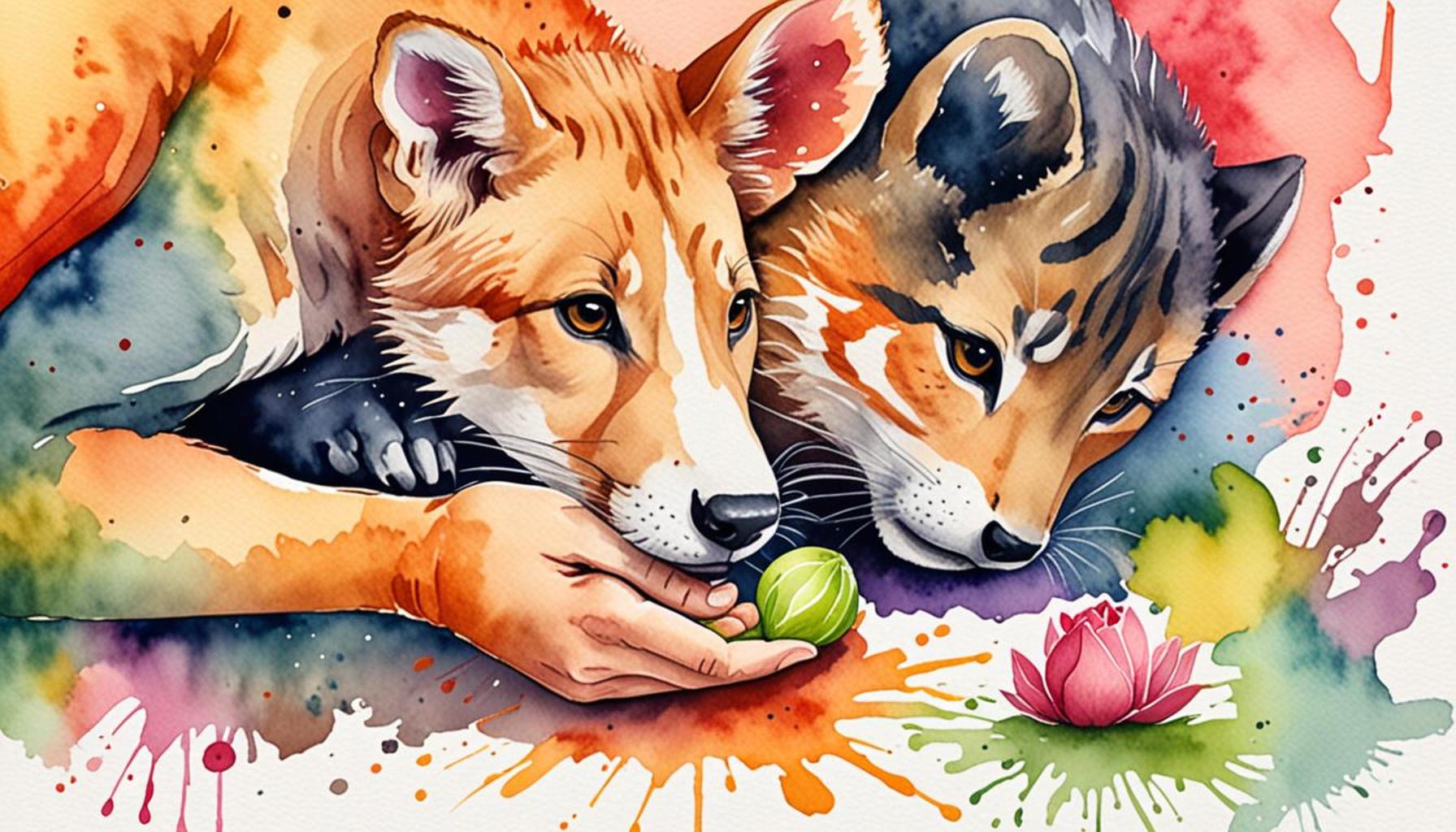
The Benefits of Animal Adoption on Youth Development
The bond between humans and animals plays a crucial role in developing important life skills among the youth. Engaging with pets and rescued animals not only fosters a sense of responsibility but also cultivates compassion and empathy in young people. These qualities serve as foundational pillars in nurturing socially aware and conscientious individuals. In Nigeria, as communities work to tackle various social issues, incorporating animal adoption programs into youth initiatives emerges as a compelling approach.
Benefits of Animal Adoption
- Empathy Development: Taking care of an animal allows children to understand what it means to be responsible for another living being. For instance, young people who volunteer at local shelters learn to recognize the emotional needs of animals, which translates into greater empathy towards their peers and family members. This understanding can also help combat negative societal issues such as bullying, as empathetic individuals are less likely to engage in harmful behaviors.
- Social Responsibility: Adopting pets teaches children about commitment, care, and the ethical considerations involved in bringing an animal into their lives. Many youths learn the importance of making thoughtful choices, such as the decision to adopt rather than buy. For example, children who adopt pets from shelters may develop a deeper appreciation for the plight of abandoned animals, inspiring them to advocate for animal rights and welfare within their communities.
- Community Engagement: Participation in animal welfare initiatives, like community dog adoption drives and fundraising events for local shelters, fosters connections not just among peers but also with local organizations. This sense of teamwork and collaboration enhances social skills and motivates young people to contribute positively to their neighborhoods.
In Nigeria, the emergence of animal shelters, such as the Nigerian Animal Welfare Society, reflects a significant cultural shift towards valuing animal life and fostering community responsibility. When children volunteer at these organizations, they not only provide essential care to animals in need but also develop critical life skills such as teamwork, communication, and leadership. Their involvement nurtures a profound sense of belonging in their communities and ignites a spirit of activism regarding animal welfare.
As we delve deeper into the relationship between animal adoption and youth development, it becomes evident that these experiences are instrumental in shaping the values of future generations. The question remains: are we prepared as a society to wholeheartedly embrace the significance of adopting animals while simultaneously nurturing our youth’s growth in empathy and responsibility? This exploration opens up new avenues for impactful discussions about social change and community development in Nigeria.
YOU MAY ALSO LIKE: Read read another article
Building Essential Life Skills Through Animal Companionship
Animal adoption is a powerful catalyst for instilling vital life skills in youth, particularly in promoting empathy and social responsibility. Research indicates that children who grow up in environments where they are exposed to animals develop a heightened awareness of the feelings and needs of others. When children adopt a pet, they enter into a relationship that teaches them to consider the needs of another being, which can significantly enhance their capacity for compassion. This development of empathy can lead to improved interpersonal relationships, as empathic individuals tend to communicate and collaborate better with peers.
Emotional Growth Through Care
When young people are responsible for the care of a pet, they learn essential life lessons that contribute to their emotional growth. The process of nurturing an animal encompasses various activities, including feeding, grooming, and providing appropriate medical care, all of which require commitment and attention. These tasks teach children the importance of consistency and reliability, qualities that are transferable to their interactions with others.
Moreover, children who foster animals at local shelters gain firsthand experience in providing care for those who are vulnerable. This interaction can have profound effects, including:
- Increased Compassion: Understanding the suffering that some animals endure enhances a child’s ability to empathize with those around them.
- Enhanced Communication Skills: Caring for animals often involves teamwork, whether in a family setting or through collective efforts at a shelter, allowing children to practice and refine their communication abilities.
- Improved Problem-Solving Skills: Dealing with the unpredictability of animals helps children to think critically and consider various approaches when problems arise.
This emotional engagement can extend beyond the self, translating into community awareness as children begin to recognize similar patterns of care, responsibility, and compassion in their relationships with family, friends, and even the broader society. In many Nigerian communities, youth who have been involved in animal adoption programs have exhibited noticeable increases in social engagement and advocacy, often prompting conversations around broader social issues like poverty and displacement.
Creating Advocates for Change
As children witness the plight of animals in need, they often become advocates for change. This advocacy can manifest in various ways, from campaigning for better animal rights to participating in community clean-up efforts or volunteering in social outreach programs aimed at helping both people and pets. The sense of responsibility that comes with animal adoption fosters an understanding that individuals can create impact through collective efforts, a vital lesson as our younger generations navigate their roles in society.
Implementing structured animal adoption programs in schools or community centers across Nigeria can yield significant long-term benefits. When responsibility for animals is shared, it becomes a communal activity that promotes a culture of caring—a culture that can transcend beyond animal welfare into the realms of social awareness and activism. These initiatives not only teach young people valuable lessons in empathy and responsibility, but they also inspire them to become conscientious citizens, ready to face and tackle pressing societal challenges.
| Advantage | Impact on Youth |
|---|---|
| Enhanced Emotional Intelligence | Through the care of adopted animals, youth can develop greater emotional awareness, learning to recognize and empathize with feelings both in themselves and their pets. |
| Development of Responsibility | Caring for an adopted animal instills a sense of accountability in youth, encouraging them to actively participate in community welfare and develop a lifelong commitment to social responsibilities. |
The journey of animal adoption goes beyond simply providing a home for a pet – it creates opportunities for young people to engage in meaningful activities that shape their character and outlook on life. When youth take on the responsibility of caring for an animal, they don’t just gain a companion; they cultivate essential life skills that foster a deep sense of empathy and compassion. For instance, learning to recognize an animal’s needs can translate into a heightened understanding of the feelings of their peers and family, which is crucial for building strong social connections.Moreover, the act of adopting pets often spurs a ripple effect within communities. Youth enriched by their experiences with animals are more likely to become advocates for animal rights and involved in community service, thus broadening their impact on society. By participating in activities such as organizing adoption drives or volunteering at local shelters, they not only enhance their leadership skills but also inspire others to contribute positively to the community. Such engagement lays a solid foundation for nurturing a socially responsible generation committed to making a difference.
CHECK OUT: Click here to explore more
The Ripple Effect of Animal Adoption on Community Engagement
Beyond personal growth, the effects of animal adoption extend into larger spheres, influencing community engagement and fostering a culture of assistance and active citizenship among the youth. When children take on the responsibility of caring for an adopted animal, they often feel inspired to contribute positively to their local communities. This intrinsic motivation can lead to various initiatives that benefit not only pets but also underserved populations within their neighborhoods.
Community Projects and Volunteerism
In Nigeria, understanding the importance of animal adoption often drives youth to volunteer in animal shelters or community organizations dedicated to animal welfare. These youth-led projects can include organizing food drives for abandoned animals, collaborating with local governments to promote animal education programs, or spearheading campaigns to address stray animal populations. Such involvement not only enhances the welfare of animals but also cultivates a sense of community spirit among the participants.
By seeing firsthand the impact of their efforts on both animal and human lives, young individuals develop a keen sense of social responsibility. The connection between animal welfare and societal well-being becomes more pronounced; they learn that caring for animals is akin to caring for their fellow citizens. This learning experience often empowers them to advocate for social justice issues, such as poverty or education, further enhancing their ethical responsibilities to contribute to community improvement.
Leadership Development Through Animal Welfare Initiatives
Emphasizing youth leadership within animal adoption initiatives can play a crucial role in shaping future influencers within communities. Many local NGOs in Nigeria prioritize youth involvement, encouraging them to take leads on projects that promote animal rights and welfare. This not only positions them to be future leaders in their communities but also instills a profound awareness of environmental and social issues.
Active engagement in such initiatives has shown measurable outcomes, including:
- Enhanced Problem-Solving Abilities: When youth are presented with challenges related to animal welfare—be it securing resources or educating peers—they learn critical thinking and problem-solving skills that are essential in any leadership role.
- Networking Opportunities: Involvement in animal-related projects promotes connections with like-minded individuals and organizations. As they collaborate, they can exchange ideas and strategies that can be applied in other areas of social advocacy.
- A Sense of Ownership: Taking leadership in community projects fosters pride and ownership over initiatives, which can bolster motivation and commitment to pressing societal challenges.
This combination of engagement and leadership cultivates youth who are not only compassionate towards animals but also sensitive to the issues faced by their communities. Such interactions can effectively bridge the gap between youth empathy and tangible actions that uplift both animals and fellow human beings alike.
Moreover, schools across Nigeria can supplement these experiences by integrating animal adoption programs into their curricula, providing students with safe spaces to discuss and engage with topics concerning animal rights, welfare, and the shared responsibility for their community. The discussions spurred by these activities can lead to informed debates around the broader implications of empathy, moving beyond personal experience into activism that benefits society at large.
SEE ALSO: Click here to read another article
Conclusion
In summary, the act of animal adoption serves as a powerful catalyst for fostering empathy and social responsibility among youth, leading to profound individual and community transformation. By embracing the responsibility of caring for a pet, young individuals not only cultivate compassion but also develop essential skills and awareness that extend far beyond their interaction with animals. Through volunteering in shelters and spearheading local initiatives, they learn the importance of civic engagement, enhancing both animal welfare and community cohesion.
Furthermore, as these youths take on leadership roles in animal welfare projects, they hone critical attributes such as problem-solving, networking, and ownership, shaping them into future advocates for various social issues. The interconnectedness observed between caring for animals and caring for one another emphasizes that empathy is universal, paving the way for a more compassionate society.
To deepen this impact, it’s vital for educational institutions across Nigeria to incorporate programs centered on animal adoption into their curricula. Such initiatives would not only facilitate informed dialogue on issues related to animal rights but also empower students to become active participants in their communities, blending personal growth with collective responsibility. Ultimately, nurturing empathy through animal adoption could result in a new generation of socially conscious leaders dedicated to driving positive change, highlighting the essence of our shared humanity and the role we play in uplifting one another, both human and animal alike.
Related posts:
The Importance of Behavioral Training for Specific Dog Breeds
Animal Adoption in Times of Crisis: How the Community Can Support Shelters and Protectors
The Role of Social Media in Promoting Animal Adoption in Nigeria
How to Teach Your New Pet to Adapt to the Family Environment
Nutritional Supplements: When and How to Use Them to Improve Your Pet's Health
How to Deal with Common Challenges in Pet Adoption

Linda Carter is a writer and pet care expert specializing in pet health, grooming, and wellness. With extensive experience helping pet owners create safe, loving, and enriching environments for their animals, Linda shares her knowledge on our platform. Her goal is to empower readers with practical advice and strategies to ensure their pets thrive and lead joyful, healthy lives.