The Importance of Proper Hydration for Pet Health
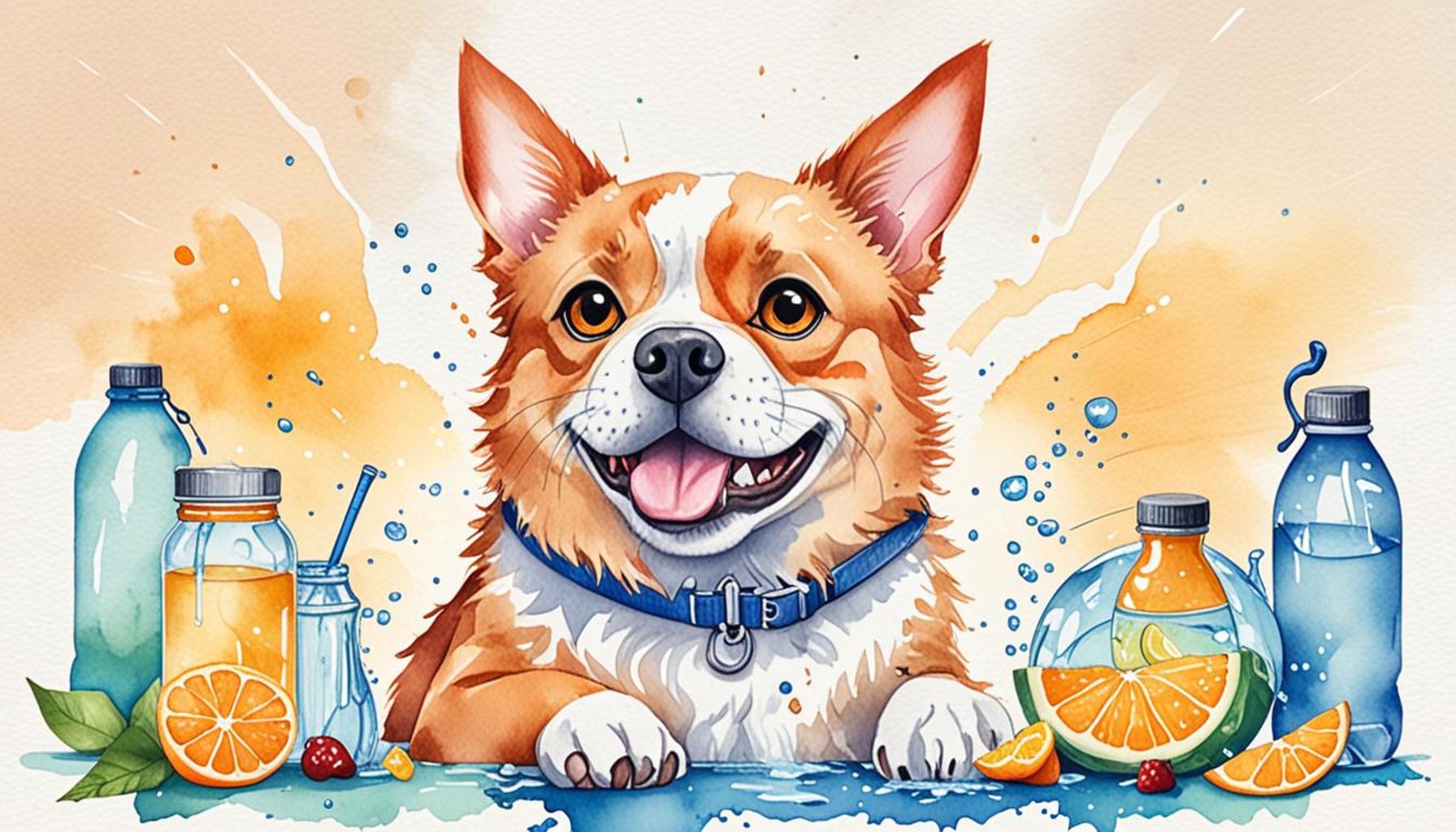
The Importance of Hydration for Your Pets
Water is a fundamental necessity not just for humans but for our furry companions as well. Proper hydration plays a crucial role in maintaining your pet’s overall health and well-being. Ensuring your pets are well-hydrated can lead to numerous health benefits, positively impacting various bodily functions and enhancing their quality of life.
Health Benefits of Proper Hydration
One of the key advantages of adequate water intake is improved digestion. Water helps to break down food in the digestive tract, allowing for smoother digestion and better nutrient absorption. For example, pets that consume dry kibble can benefit significantly from drinking ample water, as it helps prevent constipation and promotes a healthy gut.
Another notable benefit is a healthy skin and coat. Just like humans, pets require water to keep their skin hydrated and their fur shiny. If you notice your dog or cat has a dull, dry coat, it could be a sign they are not getting enough water. Dehydrated pets are also more prone to skin irritations and infections, making proper hydration essential for their dermatological health.
Optimal organ function is yet another critical reason to monitor your pet’s water intake. Water is vital for kidney function, as it helps filter waste from the bloodstream. In Nigeria’s warm climate, the risk of dehydration increases significantly, especially for outdoor pets. Regulating body temperature through dehydration is crucial; pets can suffer heatstroke if they become dehydrated, leading to severe health issues.
Recognizing Signs of Dehydration
As responsible pet owners, it’s essential to recognize the signs of dehydration to act promptly. Common indicators include:
- Dry mouth and gums, which can feel sticky to the touch
- Excessive panting or lethargy, as dehydrated pets often have low energy
- Decreased urination, where you might notice less frequent bathroom breaks
In Nigeria, it is vital to take proactive steps to ensure our pets have constant access to fresh, clean water. During the hottest parts of the day, consider placing water bowls in shaded areas or using pet-friendly cooling mats. Moreover, providing ice cubes can be a fun way to encourage hydration for pets that may be reluctant to drink water.
Understanding the importance of proper hydration goes beyond just meeting a basic need; it’s an essential part of responsible pet ownership. Hydration not only enhances the quality of life for pets but also contributes to their longevity, making them happier, more active companions for years to come. As a pet owner, your commitment to ensuring your furry friend remains hydrated is a fulfilling and crucial aspect of their care.
RECOMMENDED: Check out this similar article
The Impact of Hydration on Pet Health
In the vibrant and diverse landscape of Nigeria, where temperatures can soar and humidity levels fluctuate, the importance of proper hydration for pets cannot be overstated. Just like us, our animals require an adequate supply of water not only to quench their thirst but also to sustain their health and vitality. Optimal hydration serves as a foundation for several vital functions within their bodies, enabling them to thrive in any environment.
Enhancing Metabolic Processes
Water is crucial for metabolism, influencing how effectively our pets process food and utilize nutrients. This is especially important in a country where pet owners often seek to provide the best possible diets but may overlook the hydration aspect. When pets are well-hydrated, their bodies are better equipped to metabolize food efficiently, combat illnesses, and maintain energy levels throughout the day. For instance, without adequate water intake, the metabolic rate can drop, leading to lethargy and a decrease in overall activity levels. Owners should be aware that, in the heat of Nigeria, pets may require more hydration, particularly following exercise or playtime in the sun.
Aiding in Temperature Regulation
In tropical climates, such as Nigeria, where high temperatures are common, hydration plays a pivotal role in regulating body temperature. Pets, unlike humans, cannot sweat effectively; instead, they rely on water consumption and evaporation from their tongues and respiratory tract to cool down. When dehydrated, pets may struggle to maintain an optimal body temperature, making them more susceptible to heat-related ailments such as heatstroke. Understanding the signs of overheating, such as excessive panting, should prompt pet owners to provide immediate access to fresh water, as this can be a life-saving intervention.
Water Requirements by Breed and Size
Interestingly, the hydration needs of pets can vary significantly based on their breed, size, and activity levels. Larger breeds such as Great Danes or Labrador Retrievers typically require more water than smaller breeds like Chihuahuas or Pomeranians. Additionally, active pets or those engaged in outdoor activities will need more water to replenish what they lose through panting and sweat during exercise. A general guideline suggests that pets need approximately one ounce of water per pound of body weight daily; however, this can increase in hotter climates or during vigorous activity.
Creating a Hydration Routine
To promote proper hydration, establishing a consistent routine can be beneficial for pets. Here are effective strategies:
- Offering fresh, clean water at all times and ensuring bowls are regularly filled.
- Incorporating wet food into their diet can also increase overall water intake.
- Encouraging play breaks with water refreshment can help keep them hydrated during summertime.
By recognizing the significant benefits of proper hydration, pet owners can help ensure their companions enjoy a longer, healthier life. Being attentive to their hydration needs not only prevents potential health issues but fosters a deeper bond between you and your beloved pet.
The Importance of Proper Hydration for Pet Health
Hydration is a fundamental component of pet wellness that is often overlooked. Just as humans rely on water for optimal health, our furry companions do too. Proper hydration plays a crucial role in various physiological processes, including digestion, temperature regulation, and joint lubrication. This effect is particularly significant, considering that pets can develop serious health issues due to dehydration.
One of the notable aspects of hydration is its connection to kidney function. Healthy kidneys filter blood and excrete waste, a process highly dependent on adequate fluid intake. If pets do not drink enough water, it can lead to kidney stones or even kidney failure. It becomes apparent that encouraging pets to drink sufficient amounts of water is vital for their long-term health.
Moreover, hydration aids in improving skin and coat health. Dehydrated pets may exhibit dry, flaky skin or lackluster fur. Conversely, well-hydrated pets generally boast shinier coats and healthier skin. Electrolyte balance is another essential factor; water supports the transport of nutrients and regulates body temperature by preventing overheating.
It’s also important to keep seasonal changes in mind. During hot weather, the need for hydration increases, not only due to higher temperatures but also more active lifestyles. Owners should always provide clean, fresh water and consider incorporating wet food into their pets’ diet to assist with hydration levels.
| Hydration Benefits | Key Characteristics |
|---|---|
| Promotes healthy kidneys | Essential for filtering waste |
| Improves skin and coat condition | Leads to a shinier and healthier fur |
| Aids digestion | Supports nutrient absorption |
In summary, ensuring pets receive proper hydration fosters overall well-being and prevents the development of serious health conditions. With these factors in mind, pet owners should actively encourage their pets to drink more water and monitor their hydration levels regularly.
SEE ALSO: Click here to read another article
Long-Term Health Benefits of Hydration
Ensuring that pets maintain proper hydration is not just a matter of immediate comfort; it has profound implications for their long-term health. Many pet owners might underestimate how vital water intake is in preventing chronic health issues down the line. Chronic dehydration can lead to serious conditions, including kidney disease, urinary tract infections, and even obesity.
Kidney Health and Function
The kidneys play a crucial role in filtering waste from the bloodstream and maintaining fluid balance. Insufficient water intake can put extra strain on these vital organs, increasing the risk of kidney stones and chronic kidney disease, particularly common in older pets. In Nigeria, where local veterinarians often observe cases of renal issues in pets, ensuring proper hydration can significantly aid in preserving kidney function and promoting a healthier lifespan.
Urinary Tract Health
Adequate hydration is also essential for maintaining urinary tract health. When pets do not drink enough water, their urine can become concentrated, leading to the formation of crystal deposits that can cause painful urinary blockages. This situation can be particularly alarming for pet owners, especially since certain breeds, like male cats, are more susceptible to urinary problems. Regularly monitoring and promoting water intake will help maintain appropriate urine dilution, minimizing the risk of urinary tract conditions.
Skin and Coat Condition
Another often overlooked aspect of hydration is its direct impact on a pet’s skin and coat health. Proper hydration enables skin to remain moist and elastic while providing a shiny coat. Dehydrated pets often suffer from dry, flaky skin, which can lead to discomfort and itchiness. In the humid climates of Nigeria, pets may still be prone to skin issues due to dehydration, which can exacerbate conditions like allergies or dermatitis. Encouraging water intake can alleviate such symptoms, promoting a healthy and vibrant appearance.
Hydration and Dietary Planning
Pet owners should also consider the relationship between diet and hydration. Dogs and cats on dry kibble diets may require more water intake compared to those consuming wet or canned food, which often contains a higher moisture content. It is important for owners to know that if they choose to feed dry food, they may need to adjust their pet’s water supply accordingly. Observing your pet’s preferences can guide dietary choices that align with both hydration needs and palatability, ensuring they thrive.
Tailoring Hydration Strategies
Understanding your pet’s individual hydration requirements is essential, and pet owners can take proactive steps to encourage optimal water intake. Consider these engaging strategies:
- Provide multiple water bowls around the house to encourage more frequent drinking.
- Use pet-friendly water fountains, which can entice curious animals with the movement of water.
- Flavoring water with a small amount of low-sodium broth may appeal to picky drinkers.
By committing to these hydration strategies, pet owners in Nigeria can lay the groundwork for enhanced health and longevity for their beloved companions. Ultimately, fostering a hydration-conscious lifestyle is a simple yet impactful approach to safeguarding the well-being of pets for years to come.
CHECK OUT: Click here to explore more
Conclusion: Hydration as a Cornerstone of Pet Health
In summary, the importance of proper hydration for pet health cannot be overstated. As we have explored, adequate water intake is crucial for maintaining kidney health, preventing urinary tract infections, and ensuring the integrity of skin and coat condition. By addressing hydration needs, pet owners lay a foundation for their furry companions to thrive, helping to avert chronic health issues that could arise from neglecting this fundamental aspect of care.
Moreover, understanding the interplay between diet and water consumption is essential for tailored nutritional planning. For instance, recognizing the needs of pets on dry diets compared to those on wet options can offer insights that lead to healthier choices. As we delve deeper into the symbiotic relationship between hydration and overall wellbeing, it becomes evident that every pet’s hydration strategy may require a unique approach.
Furthermore, as the climate in Nigeria can present challenges to maintaining hydration, pet owners must embrace practical steps, such as providing multiple water sources and maintaining vigilance in monitoring drinking habits. Such consciousness not only enriches the lives of pets but also fosters enduring bonds between pets and their families.
Ultimately, prioritizing hydration is not just a recommendation; it is an essential commitment that ensures the happiness and longevity of our beloved animals. By adopting a hydration-focused mindset today, we can significantly impact our pets’ health for years to come, allowing them to lead vibrant and fulfilled lives.
Related posts:
How to Teach Your New Pet to Adapt to the Family Environment
The Benefits of Adopting Senior Animals: Tips and Considerations
The Role of Social Media in Promoting Animal Adoption in Nigeria
The Importance of Volunteering in Animal Shelters to Promote Adoption in Nigeria
Adoption Events and Fairs: How to Participate and Find Your New Companion
How to Choose the Ideal Pet for Adoption in Nigerian Families

Linda Carter is a writer and pet care expert specializing in pet health, grooming, and wellness. With extensive experience helping pet owners create safe, loving, and enriching environments for their animals, Linda shares her knowledge on our platform. Her goal is to empower readers with practical advice and strategies to ensure their pets thrive and lead joyful, healthy lives.