Strategies for Socializing and Training Puppies in an Urban Environment
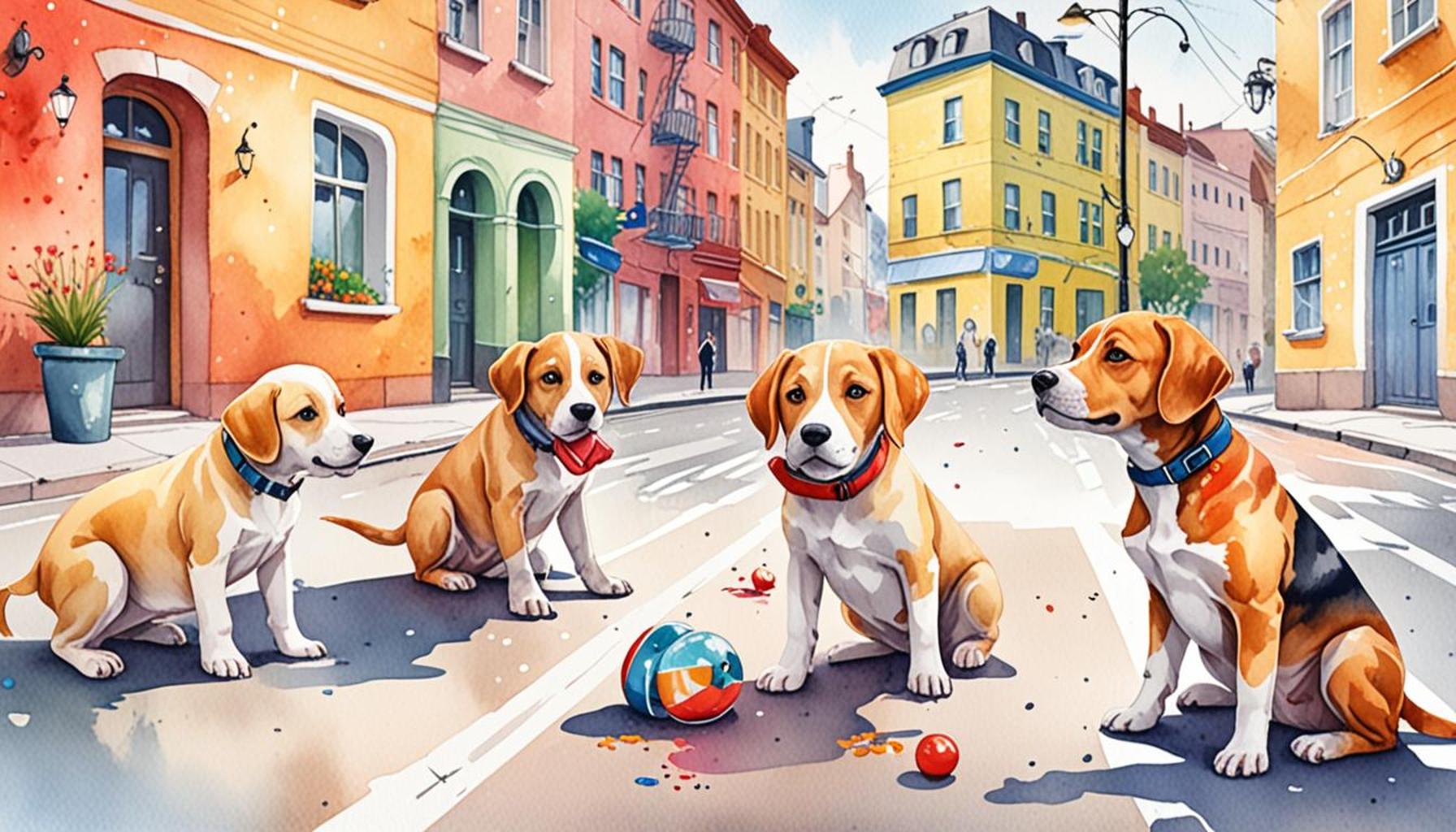
A Guide to Successfully Raising Puppies in Urban Environments
Navigating the bustling streets of urban environments can be a thrilling experience for puppies. However, socialization and training are crucial to ensure that they adapt well to this dynamic setting. Owners often find themselves asking: How can one effectively train a puppy amidst the noise, distractions, and complexities of city life?
To foster a well-adjusted and confident urban canine, it is essential to implement effective strategies that focus on exposure, consistency, and positive reinforcement. These elements create a stable foundation for your puppy to securely explore its surroundings. Here are some key areas to consider:
- Exposure to Diverse Environments: It is important to introduce your puppy to a variety of settings to help them become accustomed to urban life. Parks, cafes, and busy markets not only offer rich experiences but also present different sights, sounds, and smells. For instance, in Nigeria, places like Lekki Conservation Centre or the Lekki Market can provide ample stimuli for your puppy, allowing them to observe people, vehicles, and other animals, which helps mitigate anxiety.
- Structured Socialization: Organizing playdates with other vaccinated puppies is a fantastic way to enhance social skills and build confidence. Parks in urban areas often host dog training groups or social gatherings, making it easier to connect with other pet owners. Incorporating interactions with well-behaved dogs can introduce your puppy to various playing styles and behaviors, allowing them to learn appropriate social cues.
- Leash Training: Leash training is an essential component of puppy training in urban settings for maintaining safety amidst traffic and crowds. A well-leashed puppy helps ensure not only its own safety but also that of pedestrians and cars. Gradually introducing your puppy to leash walking in quieter areas before progressing to busier streets can ease the transition and build their confidence.
Urban settings come with unique challenges, such as noise, crowds, and unfamiliar animals. Daily sounds, from honking cars to street vendors, can overwhelm young puppies if they are not adequately prepared. Ensuring your puppy has safe space to retreat, like designated quiet areas in your home, aids in creating a balanced lifestyle.
Furthermore, leveraging local green spaces in Nigeria, such as the numerous dog-friendly parks available in metropolitan cities, can greatly enhance your puppy’s experience. These spaces provide an opportunity not just for exercise, but also for vital engagement with their environment, which can include encounters with wildlife, joggers, and other pets.
In this article, we will explore detailed strategies, expert tips, and innovative training techniques tailored to the urban lifestyle. Discover how to create a positive social structure for your puppy and unleash their potential as a well-behaved urban companion! Embracing these methods will not only ensure your puppy thrives in city life but will also deepen the bond you share as you navigate the urban landscape together.
SEE ALSO: Click here to read another article
Effective Strategies for Socializing Your Puppy
Socialization is paramount in raising a well-rounded puppy, particularly in an urban setting where the hustle and bustle can be overwhelming. To facilitate this process, owners should utilize a variety of strategies aimed at gradually exposing their puppies to diverse experiences while reinforcing positive behavior. Here are some focused approaches to consider:
- Start Early: The critical socialization window for puppies typically falls within the first 16 weeks of their life. During this time, introducing your puppy to different environments, people, and other animals can significantly enhance their adaptability. Take advantage of this window by regularly visiting various locations, such as local markets in Lagos or the serene parks of Abuja, where they can encounter a multitude of sights and sounds.
- Positive Reinforcement: Utilizing positive reinforcement techniques, such as treats and praises, can make the socialization process enjoyable for your puppy. Reward them for calm behavior when they encounter something new or different. This practice will help them associate urban life with positive experiences, diminishing fear and anxiety over time.
- Structured Outings: Plan structured outings that incorporate both training exercises and exposure. For instance, you could take your puppy on a bus ride or to public places like the Nike Art Gallery in Lagos. Ensure the outings are short enough to prevent overwhelming them, gradually increasing the duration and complexity as they become more comfortable.
- Engage with New People: Introduce your puppy to different people, from kids to elders, to help them become comfortable with various social dynamics. Arrange playdates with friends or neighbors who are also dog owners, creating an opportunity for your puppy to interact with other vaccinated dogs, which is crucial for their development.
The diversity found in urban settings can be rich and stimulating for puppies, but it can also introduce challenges. Exposure to loud sounds, moving vehicles, and bustling crowds can be particularly stressful. By taking gradual steps, owners can aid their puppies in cultivating confidence amidst the chaos.
Creating a Balanced Training Routine
Alongside socialization, implementing a balanced training routine is essential for developing a well-behaved urban puppy. Urban owners must focus not only on basic commands but also on exposure to city-specific challenges. Here are some critical components of an effective training routine:
- Basic Commands: Teach your puppy essential commands such as “sit,” “stay,” and “come.” These commands are vital for keeping your puppy safe in busy environments. Consistency is key, using the same words and gestures each time to avoid confusion.
- Focus on Distraction Training: Given the multitude of distractions in city life, practice commands in various environments with different stimuli. For instance, while at a café or during a walk in a busy area, create distractions and practice your commands, ensuring your puppy learns to focus on you.
- Incorporate Leash Training: Good leash manners are critical in urban settings. Start leash training in a quiet environment, encouraging your puppy to walk beside you without pulling. As they master this, gradually introduce busier areas, reinforcing their training as you navigate through the urban landscape.
Keeping your training sessions short but frequent can maintain your puppy’s interest and focus. The combination of socialization and consistent training will lay the groundwork for a confident and well-adjusted urban companion.
In an urban environment, the challenges of socializing and training puppies are unique and multifaceted. Puppies need to become familiar with the hustle and bustle of city life, including various sounds, sights, and encounters with people and other animals. Implementing effective strategies can make this process smoother and more enjoyable for both the puppy and the owner.
| Category | Description |
|---|---|
| Socialization with Diverse Environments | Exposing your puppy to varied urban settings—such as parks, cafés, and busy streets—can help them adjust to different stimuli. |
| Reward-based Training Techniques | Utilizing positive reinforcement encourages desired behaviors, making training sessions effective and engaging. |
| Interaction with Other Dogs | Introducing your puppy to other dogs in controlled settings fosters healthy social interactions and builds confidence. |
| City-Specific Challenges | Recognizing and addressing common urban issues, such as traffic and crowds, is crucial for safety and comfort. |
By implementing these strategies, urban puppy owners can cultivate a well-adjusted companion who is comfortable in a busy environment. Regular exposure to diverse experiences will aid in developing the puppy’s ability to adapt and thrive in their urban surroundings. Further investigation into each of these strategies can provide additional insights into creating a positive socialization and training experience for your new furry friend.
SEE ALSO: Click here to read another article
Building Confidence Through Urban Exposure
Urban environments can present unique challenges for puppies, so it is essential to prioritize experiences that build their confidence and comfort levels. The heart of training and socializing in a city setting is to expose your puppy to various stimuli while ensuring safety and well-being. Here are some strategies tailored to enhance your puppy’s confidence as they navigate their urban surroundings:
- Utilize Puppy Classes: Enroll your puppy in local training classes specifically designed for socialization and obedience in urban environments. These classes provide structured interaction with both human and canine participants, offering a controlled setting where your puppy can learn how to socialize effectively. Many cities in Nigeria have vibrant pet communities that host training sessions and workshops, fostering a spirit of camaraderie among pet owners.
- Familiarize with Urban Sounds: Aimed at reducing fear of loud noises, gradual exposure to urban sounds like honking horns, sirens, and construction work can help your puppy adapt. Playing recorded city sounds at low volumes during playtime or training can simulate the busy environment, giving your puppy the chance to acclimate and respond to these noises without fear. Over time, they will become desensitized to these stimuli, which is crucial for life in a metropolitan area.
- Visit Dog-Friendly Events: Seek out events like dog shows, meet-ups, or adoption fairs that welcome pets. These gatherings offer puppies a chance to socialize with other dogs of different sizes and temperaments in a dynamic environment. In Nigeria, cities like Lagos often host pet expos, which present a perfect opportunity for your puppy to meet other dogs and encounter different breeds in a structured yet fun atmosphere.
- Exploration of Different Terrain: Urban areas often feature varied surfaces, from concrete sidewalks to grassy parks. Help your puppy become accustomed to walking on different terrains as these can be disorienting at first. Plan trips to areas with varied topography, and encourage your puppy to walk on textured surfaces while reinforcing calmness and focus.
Engaging your puppy in various urban activities promotes not only socialization but also an understanding of boundaries, making them less likely to develop aggressive or fearful behaviors as they mature. Reinforcement of positive interactions is central to fostering a resilient personality.
Integration of Training Techniques in Everyday Life
Training does not have to be confined to specific sessions; it should be an integral part of your daily urban life with your puppy. Integrating training techniques into everyday activities will reinforce lessons learned and improve your puppy’s responses in real-world scenarios. Here are some practical applications:
- Obstacle Course Training: Create a fun and engaging obstacle course in your backyard or at a local park. Utilize benches, small hills, or even scattered toys to challenge your puppy physically and mentally. This type of training allows them to navigate various obstacles, improving their problem-solving skills while honing their physical abilities.
- Practice Recall in Busy Areas: Teaching your puppy to return to you amidst distractions is essential for their safety. Use high-value treats and gradually increase the level of distractions by practicing recall commands in bustling locations like markets or neighborhoods. Start in less crowded areas and progressively move to busier spots, ensuring your puppy understands the importance of staying close to you.
- Incorporate Multi-Tasking Sessions: During walks, take the opportunity to practice commands such as “leave it” or “heel.” Using urban challenges, like navigating a crowded sidewalk or passing by a lively food market, to incorporate training will help your puppy develop the ability to focus despite distractions.
Integrating these training techniques in various everyday scenarios will reinforce your puppy’s learning and ensure they remain confident and well-adjusted in an urban environment. As a result, not only will your puppy thrive socially, but they will also embody the desired behaviors needed for harmonious city living.
RECOMMENDED: Check out this similar article
Conclusion
Successfully socializing and training puppies in an urban environment is a rewarding journey that requires dedication, creativity, and patience. By incorporating a variety of strategies, such as enrolling in puppy classes, exposing them to urban sounds, and visiting dog-friendly events, pet owners can significantly enhance their puppies’ comfort and adaptability in the bustling city life of Nigeria. These experiences not only assist in building their confidence but also lay a solid foundation for their behavioral development.
Furthermore, integrating training techniques into daily activities is crucial. Techniques like obstacle course training or practicing recall in busy areas offer practical applications that reinforce learning while making the training process enjoyable. This approach encourages puppies to develop essential skills and respond positively to the diverse stimuli of urban living, fostering a well-behaved and balanced companion.
As urban landscapes continue to evolve, understanding the unique dynamics of training and socializing in these settings becomes vital for nurturing happy and healthy puppies. By embracing these strategies, dog owners can not only enrich their puppies’ lives but also contribute to a harmonious community where both pets and people thrive. Ultimately, the journey of socializing and training in an urban environment is not merely about obedience; it is about cultivating confidence, resilience, and a joyful companionship that will last a lifetime.
Related posts:
Behavioral Training for Dogs Urban Necessity in Nigeria
How to Increase Interaction and Bonding with Your Pet Through Play
The Relevance of Sterilization and Neutering for Animal Health and Well-Being
How to Identify Signs of Pain in Pets and When to Seek Help
How to Choose the Ideal Pet for Adoption: Tips for Nigerian Families
The Importance of Regular Exercise for Dogs' Mental and Physical Health
Linda Carter is a writer and pet care expert specializing in pet health, grooming, and wellness. With extensive experience helping pet owners create safe, loving, and enriching environments for their animals, Linda shares her knowledge on our platform. Her goal is to empower readers with practical advice and strategies to ensure their pets thrive and lead joyful, healthy lives.