The Role of Herbs and Spices in Pet Nutrition: Benefits and Risks
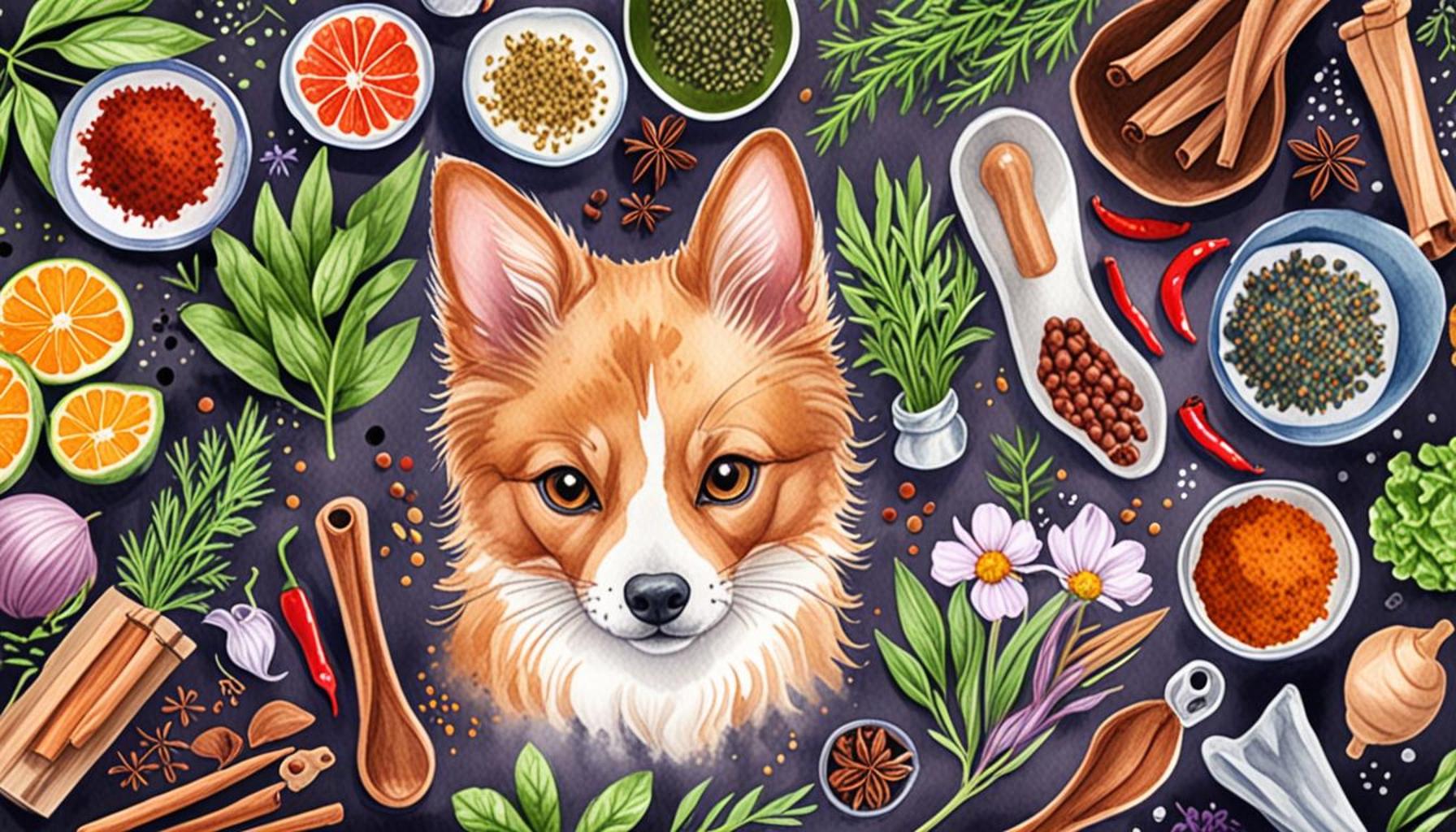
Exploring the Benefits and Risks of Herbs and Spices in Pet Nutrition
In the quest for enhanced pet health and well-being, many Nigerian pet owners are turning to herbs and spices as a natural supplement to their pets’ diets. With a rich cultural legacy of traditional medicine in Nigeria, there is a strong foundation upon which the integration of these botanicals into daily pet nutrition rests. Beyond flavor, herbs and spices have the potential to offer a host of health benefits for pets, making them an increasingly popular choice among conscious pet parents.
The Nutritional Powerhouses
Among the numerous herbs and spices available, a few stand out for their distinct benefits:
- Turmeric – Often touted as a superfood, turmeric contains curcumin, a compound known for its strong anti-inflammatory properties. It may help alleviate joint pain in older dogs or reduce inflammation caused by allergies or other conditions.
- Cinnamon – Beyond its delightful aroma and flavor, cinnamon has been shown to regulate blood sugar levels in pets, making it potentially beneficial for dogs and cats suffering from diabetes or those predisposed to the condition.
- Peppermint – Renowned for its refreshing fragrance, peppermint is often used for digestive support. It may help soothe an upset stomach and reduce gas, providing comfort to pets after mealtime.
Potential Drawbacks to Consider
While the advantages of incorporating herbs and spices into pet diets are noteworthy, it is essential for pet owners to tread carefully. Many herbs and spices can pose risks to pets if not used correctly:
- Toxicity – Certain spices can be toxic in large quantities. For example, nutmeg is known to be harmful to dogs, causing symptoms such as hallucinations and abdominal pain.
- Allergic Reactions – Just like humans, pets can have allergies. Cinnamon, while generally safe in small amounts, may trigger reactions in sensitive animals, leading to skin irritations or gastrointestinal upset.
- Medication Interaction – Some herbs, such as garlic (often used in traditional Nigerian dishes), can interfere with medications, potentially leading to adverse health effects.
The Middle Path
The journey into the world of herbs and spices in pet nutrition is complex but rewarding. Pet owners in Nigeria are encouraged to explore these options thoughtfully. Consulting with a veterinarian is crucial before introducing new elements into a pet’s diet. This step will ensure that the chosen herbs and spices synergize well with existing food and health conditions, paving the way for enhanced well-being.
In conclusion, with informed choices and a cautious approach, herbs and spices can contribute to a healthier lifestyle for our beloved pets. With a little research, pet owners can blend tradition with modern nutrition to discover a fulfilling and vibrant diet for their furry companions.
LEARN MORE: This related article may interest you
Unveiling the Health Benefits of Herbs and Spices
In recent years, the integration of herbs and spices into pet nutrition has sparked significant interest among Nigerian pet owners aiming to provide holistic health solutions for their beloved companions. These natural ingredients, often found in local markets and traditional kitchens, harbor a treasure trove of nutrients and medicinal properties that can enhance pet diets. But what exactly makes these spices and herbs valuable for pet health?
Research and anecdotal evidence suggest that certain herbs and spices possess unique properties that benefit pets in various ways. Below, we explore some commonly used botanicals that have captured the attention of wellbeing-conscious pet owners.
- Ginger – Known for its remarkable ability to aid digestion, ginger can help mitigate nausea and upset stomachs in pets. Its anti-inflammatory properties further make it a great ally in managing pain linked to arthritis in older animals.
- Parsley – Rich in vitamins and minerals, parsley is a nutrient-packed herb that can also serve as a natural breath freshener. This aromatic herb may support kidney health and increase hydration, especially when pets consume it in moderation.
- Oregano – This common kitchen herb is more than just a flavor enhancer. Oregano is recognized for its antimicrobial properties and potentially aids in boosting the immune system, helping pets stave off infections.
- Thyme – Beyond its culinary uses, thyme is known for its respiratory benefits. It may help ease coughing and promote better lung health in pets, making it especially beneficial during colder seasons when respiratory infections are more prevalent.
As attention turns to the advantages of these natural ingredients, it is vital to consider the potential downsides that may accompany their use. Though many herbs and spices offer promising benefits, pet owners must be aware of their limitations and risks. Understanding how to harness their benefits while minimizing exposure to adverse effects is crucial in promoting pet wellness through nutrition.
Risk Assessment: Knowledge is Key
While the advantages of using herbs and spices in pet diets are compelling, knowledge of potential risks is equally important. Not all that glitters is gold, and some herbs, despite their widespread popularity, can be harmful if not used judiciously:
- Dosage Matters – Excessive amounts of seemingly harmless spices can lead to unintended health issues. For example, rosemary, while beneficial in moderation, can pose toxicity risks when consumed in larger quantities.
- Individual Sensitivities – Each pet is unique, and just as people can have allergies or intolerances, so too can animals. A seemingly benign spice like turmeric might not be suitable for all pets, particularly those with certain medical conditions.
- Quality Control – Not all herbs and spices are created equal. The source and quality of these botanicals can significantly affect their safety. It is imperative to opt for organic or pet-safe herbs to avoid potential contaminants.
Involving your veterinarian in conversations regarding herb and spice usage in pet nutrition can effectively bridge the gap between traditional wisdom and modern veterinary science. By staying informed, you can confidently navigate the world of herbs and spices, ensuring that they enrich rather than jeopardize your pet’s health.
| Benefits | Risks |
|---|---|
| Enhanced Digestion | Potential Toxicity |
| Herbs like ginger and peppermint can promote digestive health in pets, aiding in nutrient absorption and reducing gas. | Certain herbs, such as garlic, can be harmful in large quantities, potentially leading to issues like hemolytic anemia in dogs. |
| Rich in Antioxidants | Allergic Reactions |
| Spices like turmeric and cinnamon are packed with antioxidants that help combat free radicals and promote a healthy immune response. | Some pets may develop sensitivities or allergic reactions to specific herbs or spices, necessitating careful monitoring. |
Incorporating herbs and spices into your pet’s diet can be a fascinating way to enrich their nutrition. However, it’s crucial to weigh the benefits against the potential risks associated with their use. While they can offer health advantages, such as enhanced digestion and antioxidant support, pet owners should remain vigilant about possible adverse effects.
RECOMMENDED: Check out this similar article
Exploring the Diverse Applications of Herbs and Spices in Pet Diets
The culinary world of herbs and spices is as varied as the unique dietary needs of pets, and within this rich tapestry lies an opportunity for pet owners to enrich their animal’s nutrition visibly. The use of these botanicals is not only limited to taste; they can play an instrumental role in addressing specific health concerns and maintaining overall well-being. Understanding their applications is crucial for every responsible pet owner looking to enhance their furry friend’s diet.
Specific Health Applications
In Nigeria, local ingredients often hold the key to traditional remedies, and some herbs and spices are particularly beneficial when used thoughtfully in pet diets:
- Fenugreek – A staple herb commonly used in many Nigerian dishes, fenugreek boasts natural anti-inflammatory properties that can reduce joint pain in aging pets. Additionally, its consumption may boost appetite, making it an excellent addition for pets recovering from illness or surgery.
- Cinnamon – Renowned for its flavor and aroma, cinnamon has shown potential in regulating blood sugar levels. This makes it a valuable herb for pets with diabetes, particularly if included as a part of a balanced diet.
- Fennel – With its sweet flavor profile, fennel is not just a culinary herb but also serves to alleviate gas and digestive issues in pets. Its capacity to ease gastrointestinal discomfort can prove helpful for pets who frequently experience bloating or irregular digestion.
- Basil – This aromatic herb is rich in antioxidants and can support cardiovascular health in pets. It can also have mild anti-anxiety effects, making it beneficial for pets that experience stress or anxiety in specific situations, such as during thunderstorms or car rides.
As tempting as it may be to use these herbs and spices liberally, it is essential to remember that precision and moderation are vital in their application. Many spices have been celebrated for their health properties, but pet owners must ensure that the results are positively aligned with their pet’s unique health requirements.
Educating on Safe Usage
Before introducing any herbs or spices into your pet’s meals, there are essential considerations to keep in mind. Knowledge is indeed power; therefore, educating oneself on the correct ways to use these botanicals can make a significant difference:
- Consulting Experts – Engaging with a veterinarian or a pet nutritionist can help tailor spice and herb application to your pet’s unique needs. These professionals can provide insights on suitable herbs, preferred dosages, and potential interactions with existing medications.
- Trial and Observation – Just as humans react differently to certain foods, pets also have varied tolerances. Start with small amounts of any new herb or spice and observe your pet’s reaction to introduce it gradually into their diet. This approach will help identify any adverse reactions.
- Holistic Approaches – Consider the entire diet of your pet. Herbs and spices should complement a balanced nutrition regimen, not act as substitutes for essential nutrients. A well-rounded diet, inclusive of all the critical dietary groups, ensures optimal health alongside the benefits of specific herbs and spices.
As Nigerian pet owners delve deeper into the world of herbal and spice inclusion in pet nutrition, the potential for a healthier relationship with food for their animals expands tremendously. The journey of discovery may very well lead to enhanced vitality, energy, and overall pet welfare, transforming mealtime into an enriching experience for both pets and their owners.
CHECK OUT: Click here to explore more
Concluding Insights on the Integration of Herbs and Spices in Pet Nutrition
The inclusion of herbs and spices in pet nutrition presents a fascinating intersection of culinary tradition and modern health science. Through careful consideration and educated choices, pet owners can harness the numerous benefits these botanicals offer, from enhancing flavor to potentially alleviating various health issues. However, it is equally vital to remain aware of the potential risks associated with the improper use of herbs and spices. Overindulgence or lack of understanding may lead to adverse reactions in pets, emphasizing the importance of moderation and education.
As we look to the traditional wisdom rooted in Nigerian culture, pet owners have an incredible opportunity to utilize locally available herbs, such as fenugreek and basil, in a balanced manner. This thoughtful incorporation can contribute to a pet’s overall vitality and enhance their quality of life. The path to a deeper understanding of pet nutrition is an ongoing journey; thus, engaging with professionals for guidance and observing each pet’s individual response to new dietary elements is imperative.
In summary, the role of herbs and spices in pet nutrition is not merely a trend but a gateway to holistic well-being. By fostering knowledge about safe practices and benefits, pet owners can transform mealtimes into enriching experiences. Ultimately, embracing the significance of herbs and spices can pave the way for healthier, happier pets, reflecting the vibrant and diverse nature of culinary practices in Nigeria. As we continue to explore these exciting possibilities, it is crucial to share knowledge and experiences within the community, creating a collective understanding that champions both pet health and well-being.
Related posts:
How to Identify Food Allergies in Pets and Adjust Their Diet
Create a Safe and Cozy Home Environment for Your Pet Essential Tips
Hypoallergenic Diet: How to Protect Your Pet from Common Food Allergies in Nigeria
Natural Foods vs. Commercial Food: What is Best for Your Pet?
The Importance of a Balanced Diet for Dogs and Cats in Nigeria
The Influence of Nigerian Culture on Pet Food Preferences

Linda Carter is a writer and pet care expert specializing in pet health, grooming, and wellness. With extensive experience helping pet owners create safe, loving, and enriching environments for their animals, Linda shares her knowledge on our platform. Her goal is to empower readers with practical advice and strategies to ensure their pets thrive and lead joyful, healthy lives.