How to Identify Food Allergies in Pets and Adjust Their Diet
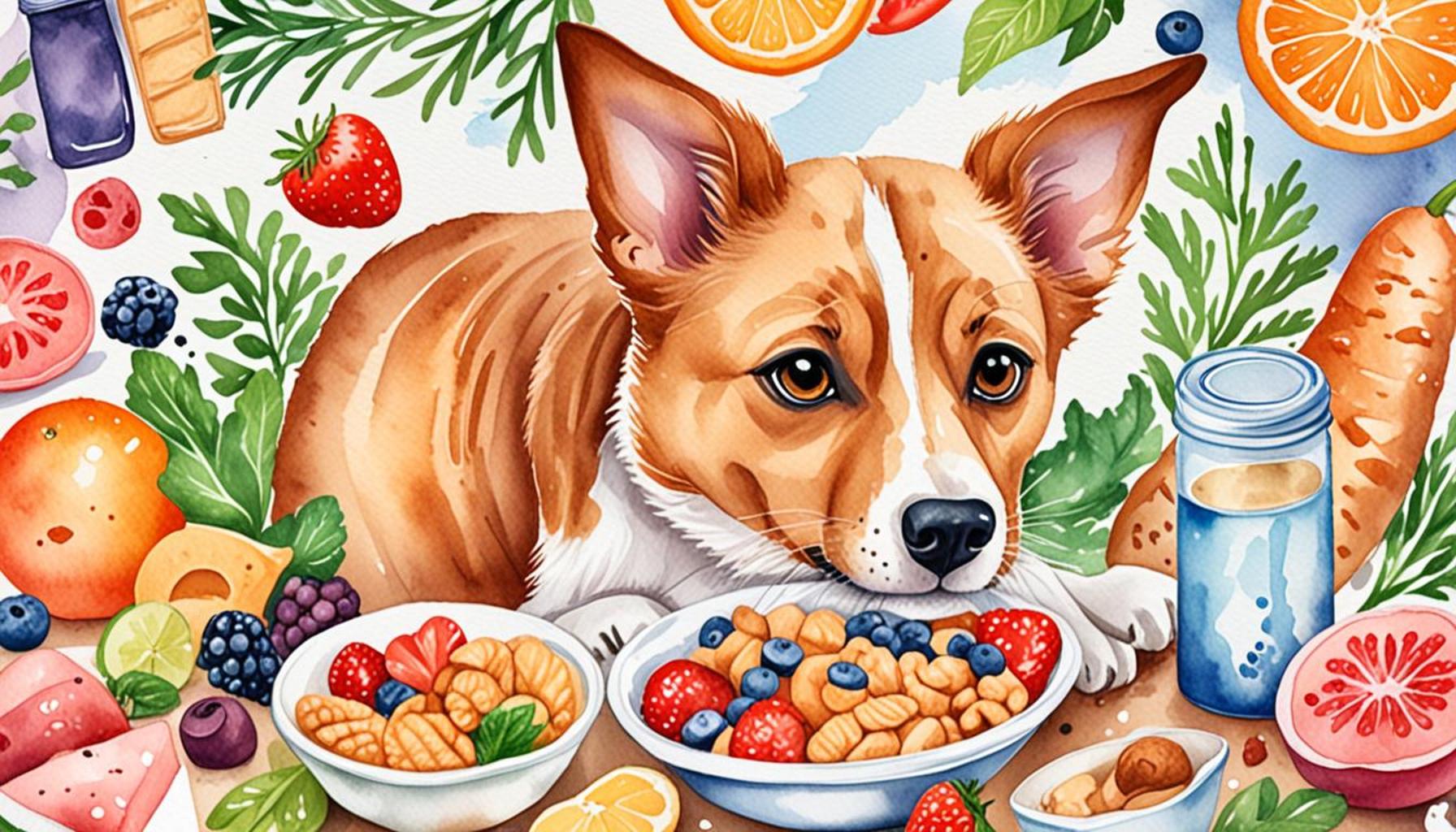
Understanding Food Allergies in Pets
Food allergies can be a significant concern for pet owners, leading to both physical discomfort and behavioral changes in our furry friends. In Nigeria, where pet ownership is increasingly popular, many owners may observe their pets manifesting unexpected symptoms following meals. Identifying food allergies promptly is essential, as early intervention can greatly improve the health and happiness of your pet.
Common Signs of Food Allergies
Pets experience food allergies in various ways, often signaling their distress through noticeable symptoms. It is crucial for pet owners to be vigilant and recognize these signs:
- Skin irritations – A common indicator of food allergies, pets may develop persistent itching, reddened skin, or rashes, particularly around areas such as the tummy, paws, or ears. In Nigeria’s humid climate, these skin issues can lead to secondary infections if not addressed promptly.
- Digestive issues – Symptoms such as vomiting or diarrhea are also common signs of food allergies. A pet experiencing recurrent gastrointestinal distress after meals may be reacting to specific ingredients in their diet.
- Ear infections – If a pet frequently scrapes or shakes its head, it may indicate ongoing ear infections caused by food-induced allergies. These infections often manifest alongside skin irritations and require urgent veterinary attention.
Recognizing these signs early can empower pet owners to take timely action. A sudden shift in your pet’s usual behavior, like excessive licking or reluctance to eat, could suggest an allergic reaction.
How to Adjust Your Pet’s Diet
Once food allergies are suspected, modifying your pet’s diet is essential for their recovery and well-being. Here are several strategies to consider:
- Elimination diets – This approach involves gradually removing common allergens, such as beef, chicken, soy, or corn, from your pet’s meals. By systematically reintroducing these elements one at a time, you can pinpoint the specific allergens causing distress. Keep a close eye on your pet’s response throughout this process.
- High-quality ingredients – Opt for high-quality, hypoallergenic pet foods available in many Nigerian stores. These products are often formulated without common allergens and focus on easily digestible components, which helps to mitigate allergic reactions.
- Consultation with a veterinarian – Seeking advice from a qualified veterinarian is a vital step in addressing food allergies in pets. A vet can recommend appropriate dietary modifications and may suggest allergy testing to confirm specific sensitivities.
The journey of managing food allergies involves attentive care and dedication. By being proactive about your pet’s dietary needs and recognizing the signs of allergic reactions, you can guide your beloved companion toward a healthier, happier life. It’s essential to remain informed and adapt your approach as required, ensuring that your pet thrives amidst the richness of Nigeria’s diverse living environment.
YOU MAY ALSO LIKE: Read read another article
Identifying Food Allergies: A Step-by-Step Guide
Understanding food allergies in pets requires patience and keen observation from pet owners. As caretakers of our furry companions, it is essential to be vigilant in monitoring behaviors, eating habits, and any physical changes that occur after meals. In a country like Nigeria, where diverse diets range from traditional local dishes to commercially available pet food, recognizing specific food triggers is crucial for ensuring the overall well-being of your pet.
How to Recognize Symptoms
Allergies can manifest in various forms, and pets may not exhibit the classic signs commonly associated with food sensitivity. In addition to the typical symptoms such as itching and gastrointestinal disturbances, pet owners should be alert to the following indicators:
- Behavioral changes – Pets affected by allergies may become more anxious or irritable, signaling their discomfort. For example, a normally playful dog may show reluctance to engage or become overly aggressive when touched in sensitive areas.
- Weight fluctuations – Monitoring your pet’s weight can also reveal important health information. Allergies can lead to decreased appetite, resulting in weight loss, or may trigger overconsumption if your pet is dissatisfied. This alteration in eating patterns may point to underlying allergic reactions that require further investigation.
- Foul odor – A sudden increase in unpleasant body odor or unusual smells emanating from ears or skin can indicate allergic reactions affecting either the gut or skin. For instance, a pet with a food allergy may develop a yeasty scent, often associated with ear infections linked to food sensitivities.
Keeping a detailed log of these observations can assist in identifying patterns and correlations between specific foods and the onset of symptoms. Pet owners should include information such as meal times, changes in behavior, and physical signs, which will be beneficial when consulting a veterinarian.
Seeking Professional Guidance
Once potential food allergies are suspected, consulting a veterinarian is the next logical step. Professionals in veterinary medicine can provide insights tailored to your pet’s individual needs and offer recommendations based on their history and observed symptoms. It’s important for pet owners in Nigeria, where food sources vary from locally prepared meals to imported brands, to communicate any unique dietary items their pets consume.
In some cases, allergy testing may be advisable. While this option is not universally necessary, tests can pinpoint specific sensitivities and help create a custom diet plan that avoids troublesome ingredients. It’s worth noting that certain foods, such as grains, dairy products, or even proteins like chicken and beef, may elicit allergic reactions in pets, and testing can illuminate these issues.
Navigating food allergies in pets is an ongoing commitment that starts with vigilant observation and is further supported by professional veterinary guidance. By actively engaging in this process, pet owners can significantly improve their furry friends’ quality of life. The journey toward establishing a diet that minimizes allergic reactions requires collaboration between attentive monitoring, veterinary expertise, and thoughtful selection of dietary options. Ultimately, this effort ensures your pet thrives in health and happiness, even within Nigeria’s rich culinary landscape.
| Category | Key Features |
|---|---|
| Elimination Diet | This involves removing potential allergens from your pet’s diet and reintroducing them one at a time to identify the culprit. |
| Symptom Monitoring | Keeping a record of your pet’s symptoms can help correlate dietary changes with allergic reactions, aiding in precise identification. |
| Veterinary Guidance | Consulting a veterinarian ensures a structured approach to diagnosing food allergies and customizing an appropriate diet plan. |
| Commercial Hypoallergenic Diets | Many pet food brands offer hypoallergenic options designed specifically for pets with food sensitivities. |
Identifying food allergies in pets requires careful observation and a methodical approach. An effective elimination diet is one of the most successful strategies, wherein you remove all potential allergens and gradually reintroduce them to observe any negative reactions. Many pet owners find that monitoring symptoms consistently helps uncover connections between food intake and allergy flare-ups.Incorporating veterinary guidance at the beginning of this process not only enhances safety but also enriches understanding of the best dietary strategies tailored specifically to your pet’s needs. Additionally, utilizing commercial hypoallergenic diets can provide peace of mind as you transition to safer options designed to minimize allergic responses. Employing these techniques will assist in creating a diet that’s not only safe but also sustainable for your pet, ensuring their well-being is well cared for.
SEE ALSO: Click here to read another article
Adjusting Your Pet’s Diet for Better Health
Once food allergies are suspected and symptoms are documented, the next step is to adjust your pet’s diet. This process can be meticulous, but with the right approach and support, it can lead to a healthier, happier pet. In Nigeria, where access to high-quality pet food can vary, it is important to prioritize nutritional balance while ensuring the exclusion of potential allergens.
Implementing an Elimination Diet
An elimination diet is one of the most effective ways to identify specific food allergies in pets. This approach involves removing all food products that may contain common allergens from your pet’s diet for a minimum of 8 to 12 weeks. During this period, it is crucial to provide a novel protein source (e.g., duck or venison) and hydrating fruits or vegetables (such as sweet potatoes) that your pet has not previously consumed. Keeping the diet simple allows the immune system to reset and determine what foods may be the root cause of allergic reactions.
While implementing an elimination diet, pet owners must remain patient, as notable changes in symptoms may take time to appear. During this period, maintaining a detailed food journal becomes even more vital to track any improvements or reactions. When symptoms improve, owners can gradually reintroduce previous food items one at a time, allowing for closer observation of their pet’s response to each ingredient.
Choosing Hypoallergenic Pet Foods
For many owners, the challenge lies in finding suitable hypoallergenic pet foods that are accessible within Nigeria. Many manufacturers produce these specialized diets designed to minimize allergic reactions. Such foods may contain hydrolyzed proteins or alternative protein sources, which are less likely to trigger response in sensitive pets.
Additionally, reports highlight the importance of using local ingredients where possible. For instance, certain legumes, fish, or even locally sourced grains (like millet or sorghum) might be less likely to induce allergies compared to more common protein sources like chicken or beef. Research indicates that pets with food allergies may find relief with diets tailored specifically to avoid common allergens prevalent in standard commercial pet foods.
Consulting with Nutritional Experts
As with any significant dietary change, consulting a veterinary nutritionist may enhance the safety and effectiveness of your approach. Veterinary nutritionists are trained to create balanced meal plans that consider your pet’s unique health requirements while avoiding allergens. This collaboration can be particularly beneficial in Nigeria, where dietary diversity provides both opportunities and challenges in finding the right combinations for your pet’s wellbeing.
Additionally, consider the potential benefits of incorporating homemade meals into your pet’s diet. While this route requires time and effort, it allows pet owners complete control over ingredients, thereby minimizing the risk of unexpected allergens. If you choose this path, ensure that the meals are nutritionally complete to support your pet’s health.
Ultimately, identifying food allergies in pets and adjusting their diets is a multifaceted process involving keen observation, collaboration with professionals, and potentially significant shifts in dietary practices. By remaining patient and proactive, pet owners can furnish their furry companions with a life free from distress caused by food allergies, promoting both longevity and joyous companionship.
LEARN MORE: This related article may interest you
Conclusion: Ensuring a Happy, Healthy Pet
In conclusion, navigating the challenges of identifying food allergies in pets and adjusting their diet is essential for ensuring their overall well-being. With careful observation, a structured approach like an elimination diet, and the assistance of professionals such as veterinary nutritionists, pet owners in Nigeria can create a tailored diet that prioritizes both nutritional balance and allergy management. The importance of using locally sourced ingredients cannot be understated, as they often offer a safer alternative to common allergens found in commercial pet foods.
Furthermore, incorporating homemade meals gives pet owners greater control over their pet’s diet, minimizing the risk of allergens while providing the necessary nutrients for growth and vitality. The journey to identify and manage food allergies may require patience, but the rewards are invaluable: a healthy, energetic pet that can enjoy life without discomfort. Ultimately, the bond between pet and owner is strengthened through this process, turning meals into moments of joy rather than distress.
By understanding and addressing food allergies, pet owners can significantly improve their furry companions’ quality of life. With perseverance and the right resources, every pet can thrive, contributing to a deeper, more fulfilling relationship. Thus, embark on this journey with confidence; your efforts will pave the way for a happier, healthier future together.
Related posts:
Hypoallergenic Diet: How to Protect Your Pet from Common Food Allergies in Nigeria
The Importance of a Balanced Diet for Pet Health and Wellbeing
Toxic Foods for Pets: What to Avoid in Your Pets' Diet
Pet Nutrition in Urban Environments: Challenges and Solutions for Owners in Nigeria
The Relationship between Nutrition and Behavior in Pets
How to Choose the Right Food for Dogs and Cats at Different Life Stages

Linda Carter is a writer and pet care expert specializing in pet health, grooming, and wellness. With extensive experience helping pet owners create safe, loving, and enriching environments for their animals, Linda shares her knowledge on our platform. Her goal is to empower readers with practical advice and strategies to ensure their pets thrive and lead joyful, healthy lives.