Create a Safe and Cozy Home Environment for Your Pet Essential Tips
Every pet owner desires a harmonious home where their furry, feathered, or scaly companions feel safe and comfortable. Creating such an environment is not only beneficial for your pet’s well-being but also enhances the overall peace within your household. With the rise in pet ownership, understanding how to establish a secure space for your beloved animals has never been more relevant.
Numerous factors contribute to a pet-friendly atmosphere, including safety measures, appropriate furnishings, and enriched surroundings. Here are some essential aspects to consider:
- Safety measures: Identify potential hazards and make necessary adjustments.
- Comfort zones: Designate cozy spots tailored to your pet’s needs.
- Social interaction: Facilitate healthy bonding opportunities for your pets and family.
- Enrichment activities: Incorporate toys and activities that stimulate your pet’s mind.
- Environmental cleanliness: Maintain a tidy space to promote good health.
In this article, we will explore the Top 5 tips for creating a safe and cozy home environment for your pets, ensuring that they lead happy and fulfilling lives within your abode.
Top 5 Tips for Creating a Safe and Comfortable Environment for Your Pet at Home
Pets bring us joy, companionship, and unconditional love, but owning one involves much more than simply opening your heart. A responsible pet owner must also open their home, transforming it into a haven that caters specifically to their pet’s needs. Understanding and respecting these needs not only enhances the well-being of our furry friends but also strengthens the bond between human and animal. Here, we unravel the five essential tips to cultivate a secure and comfortable living space, tailored to the delight and safety of your pets. These tips are ranked from the least to most crucial.
5. Choose the Right Furniture and Decor
The starting point for a pet-friendly home begins with your choice of furniture and decor. With their natural curiosity, pets can often turn ordinary household items into potential hazards. Sharp edges, fragile materials, or anything easily toppled could pose serious risks to animals who love to explore. Instead, opt for options that strike a balance between aesthetics and functionality.
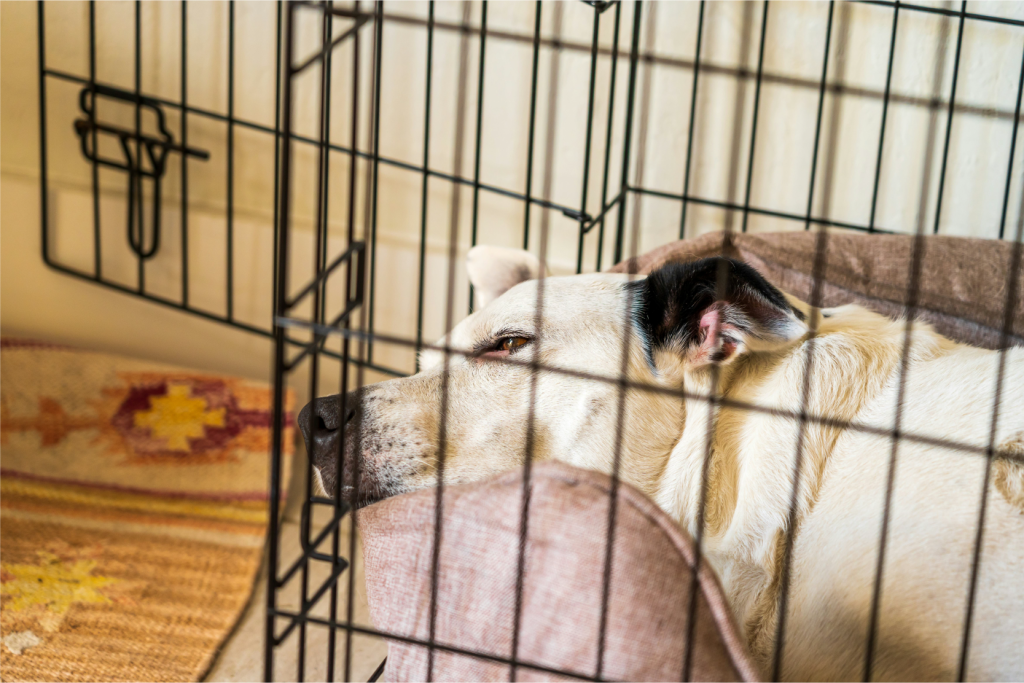
- Stain-resistant and easy-to-clean materials such as microfiber or leather can endure any mishap your pet may cause.
- Rounded corners on furniture can help prevent injuries, particularly for energetic pets that dash around the house.
- Select pet-friendly textures. Smooth surfaces may appear neat, but fabrics with some grip can be calming for pets and are less likely to cause accidents.
Carefully chosen furniture helps cultivate an environment that is both welcoming and suitable for your pet, ensuring they can engage safely with their surroundings.
4. Create a Designated Pet Area
Your home should include areas where your pet can unwind in peace. Establishing a specific zone dedicated to your pet offers them a sanctuary where they feel secure and at ease. This area is crucial, especially in houses with frequent movement or noise.
- Choose a spot that is away from foot traffic and free from drafts or harsh sunlight, providing a cozy retreat.
- Ensure the area is spacious enough to fit their bed, allow movement, and accommodate some toys and belongings.
- Populate this space with comforting items like plush blankets or their favorite toys to make it truly theirs.
This designated area acts as a safety net during times of stress, ensuring they always have a place to relax and feel secure.
3. Pet-Proofing Your Home
Similar to young children, pets are naturally curious and adventurous. Their explorative nature means that safety is a continuous concern. Pet-proofing involves making strategic adjustments to your home environment to safeguard your pet from potential dangers.
- Secure loose wires and cords as they can be enticing to pets, yet dangerous if chewed, with the risk of choking or electrocution.
- Store harmful substances—such as cleaning products and medications—safely out of reach or behind locked cabinets.
- For households with stairs or rooms with restricted access, consider installing safety gates or barriers.
The process of pet-proofing is ongoing and should evolve as your pet grows and changes in behavior. Remaining vigilant is crucial in maintaining a safe sanctuary for your beloved animal companions.
2. Prioritize Cleanliness and Hygiene
A clean environment is a cornerstone of good health for both you and your furry friend. Regular maintenance not only reduces allergens and bacteria but also creates an atmosphere conducive to comfort and relaxation.
- Vacuum regularly to rid your home of pet hair and dander, which can aggravate allergies and exacerbate conditions like asthma.
- Keep their food and water bowls clean, washing them daily to prevent the buildup of bacteria that could harm your pet.
- Regular grooming is essential in combating shedding and keeping skin and fur problems at bay, while also reducing hair in the home.
Adhering to these hygiene practices promotes the physical well-being of your pet and contributes to a harmonious living environment for everyone.
1. Provide Mental and Physical Stimulation
The crowning element of a safe and comfortable environment is ensuring sufficient mental and physical stimulation for your pet. Without this, pets are prone to boredom, which can quickly lead to destructive behaviors and issues.
- Engage your pet with intellectually stimulating toys, such as puzzle feeders that reward problem-solving with treats.
- Ensure your pet gets regular exercise appropriate to their breed and size, through daily walks or interactive play sessions.
- Rotating toys introduces variety and maintains interest, preventing monotony and keeping your pet engaged.
By attentively addressing the mental and physical needs of your pet, you not only enrich their life but become a more attentive and nurturing owner, ultimately enhancing the living environment you share.
Transforming your home into a sanctuary for your furry companions relies on thoughtful and consistent efforts. Harnessing these top five tips, ranked strategically, ensures that your home serves as a nurturing environment for your cherished pets. Whether you are welcoming a new pet or revisiting practices with a long-time friend, it is always the perfect time to improve the quality of your shared living space, weaving safety and joy into the everyday experiences of both you and your pet.
| Category | Description |
|---|---|
| Safe Spaces | Creating designated areas for pets to retreat to when they need peace and quiet can significantly reduce their stress levels. This can be a quiet room or an enclosed area with comfortable bedding. |
| Non-Toxic Environment | Using non-toxic materials for furniture and cleaning supplies is crucial to ensure the safety of your pets. Make sure to research any products you use and avoid those that contain harmful substances. |
| Temperature Control | Maintaining a comfortable temperature throughout your home is essential. Pets can be vulnerable to extreme temperatures, so using heating or cooling systems effectively can enhance their comfort. |
| Interactive Elements | Incorporating interactive toys and stimulating environments can keep pets occupied and mentally active, reducing boredom and promoting mental well-being. |
Designing a safe and comfortable environment for your pets is an ongoing process that requires thoughtfulness and occasional reassessment. It’s essential to consider how sound, smells, and even the layout of your home can affect your pet’s well-being. For instance, ensuring that your pet’s space is free of clutter can prevent accidents that might occur from tripping or knocking over objects. Another aspect to keep in mind is the importance of social interactions. Pets thrive on companionship, and creating environments that allow them to socialize with other animals or family members can enhance their emotional health. Regular playtime not only strengthens your bond but can also alleviate behavioral problems stemming from loneliness or anxiety.Additionally, consider the sound environment. Pets may become anxious with loud noises, such as those from construction or outdoor activities. Soundproofing certain areas or providing a quiet retreat with calming music or soft toys can help them feel secure during particularly noisy times.Lastly, invest time in training your pets. Basic commands and training can help them navigate their space more effectively, leading to a more harmonious living situation for both pet and owner. Establishing boundaries where specific behaviors are acceptable and where they are not can further secure a comfortable environment for your furry friends.
Frequently Asked Questions about Creating a Safe and Comfortable Environment for Your Pet at Home
How can I pet-proof my home effectively?
Pet-proofing your home requires a proactive approach to identifying and removing potential hazards. Begin by securing electrical cords and outlets, as pets often find them enticing to chew. Keep cleaning supplies and medications in cabinets out of reach, as these can be harmful if ingested. Use barriers to block access to certain areas of the house if necessary. Don’t forget about small objects, which can be choking hazards. Constant vigilance is key to maintaining a safe environment.
What should I consider when setting up a pet-friendly space?
Creating a pet-friendly space involves catering to your pet’s needs for comfort, safety, and enrichment. Ensure your pet has a cozy bed in a quiet area, as well as access to food and water. Consider the inclusion of interactive toys and climbing structures for mental and physical stimulation. Temperature control is crucial, so make sure the environment is neither too hot nor too cold. Regularly inspect the space to make sure it’s free of hazards.
What are the best materials for pet-friendly furniture?
When choosing furniture for a pet-friendly home, durability is key. Opt for materials such as leather or synthetic fibers like microfiber, which are easier to clean and resistant to stains. Ensure upholstery is secure and can withstand clawing or scratching. If your pet sheds, darker colors or patterns can help hide fur between cleaning sessions. Invest in quality slipcovers that can be washed regularly to maintain cleanliness and hygiene.
How do I keep my pet safe in a multi-pet household?
In a multi-pet household, balancing territory and resources is essential to prevent conflicts. Provide each pet with its own designated eating area, bedding, and toys to reduce competition. Monitor interactions carefully, particularly during meal times and play sessions. Consistent training and reinforcement of positive behavior are crucial in maintaining harmony. Remember, keeping vaccinations up-to-date is important for the health and safety of all your pets.
Conclusion: A Safe and Comfortable Haven for Your Pet
In conclusion, creating a safe and comfortable environment for your pet at home is not just a matter of convenience; it’s a fundamental aspect of responsible pet ownership. Pets, much like humans, thrive in settings where their well-being is prioritized. The steps outlined in this article provide a comprehensive guide to ensuring your pet’s safety, comfort, and happiness within the home.
Ensuring a safe environment involves several critical factors. It starts with removing potential hazards such as toxic plants and securing household items that could be accidentally ingested. Additionally, protecting your pet from sharp objects, electrical cords, and small chewable items can prevent injuries and accidents.
A comfortable space, on the other hand, revolves around maintaining a suitable climate and environment for your furry friend. This includes providing adequate bedding, controlling temperature and humidity levels, and ensuring access to clean water and nutritious food.
Routine and enrichment play a vital role in a pet’s mental and physical health. Regular exercise, playtime, and mental challenges such as puzzle toys or training sessions can contribute to a balanced and fulfilling life for your pet. Furthermore, regular veterinary check-ups are crucial in safeguarding your pet’s health.
Ultimately, the key is to observe and understand your pet’s individual needs and preferences. By doing so, you can make informed decisions that cater specifically to them. As we continue to learn more about the unique requirements of different pets, staying informed and open to new insights is crucial. By committing to these practices, you create not only a home but a sanctuary for your pet, promoting a lifetime of happiness and companionship.
Related posts:
The Importance of Environmental Enrichment for the Well-Being of Pets
Pet Nutrition in Urban Environments: Challenges and Solutions for Owners in Nigeria
The Influence of Nigerian Culture on Pet Food Preferences
How to Identify Food Allergies in Pets and Adjust Their Diet
How to Choose the Right Food for Dogs and Cats at Different Life Stages
The Impact of Nutrition on the Longevity and Quality of Life of Pets

Linda Carter is a writer and pet care expert specializing in pet health, grooming, and wellness. With extensive experience helping pet owners create safe, loving, and enriching environments for their animals, Linda shares her knowledge on our platform. Her goal is to empower readers with practical advice and strategies to ensure their pets thrive and lead joyful, healthy lives.