Healthy Eating: How to Choose the Ideal Food for Your Pet
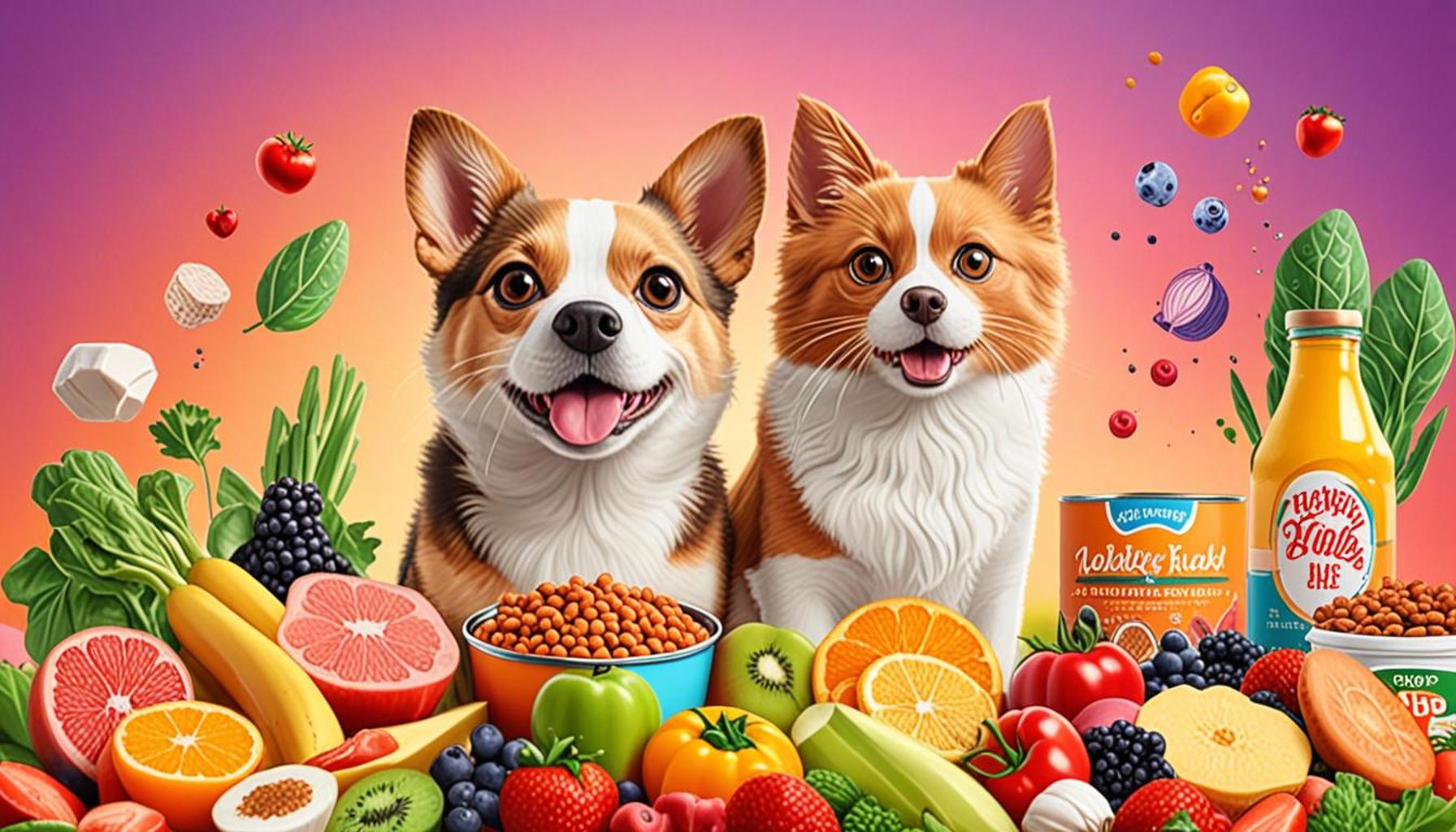
Understanding Pet Nutrition
When it comes to our pets, their health often starts with what they eat. The right diet can enhance their energy levels, promote a shiny coat, and support long-term health. However, navigating the myriad of options available can be overwhelming for pet owners. From kibble to wet food, fresh diets to home-cooked meals, the choices are diverse, and so are the nutritional requirements.
The Importance of Pet Food Choices
Healthy pet food choices ensure that your furry friends receive the necessary nutrients to thrive. Here are some key factors to consider:
- Age and Breed: Different pets have varying nutritional needs. For example, puppies require higher protein and fat content for growth, while older dogs need diets lower in calories but high in fiber to aid digestion.
- Allergies and Sensitivities: Some pets may react negatively to certain ingredients, such as grains or specific proteins. Food allergies can manifest in various ways, including skin irritations, gastrointestinal issues, or even behavioral changes.
- Activity Level: Active pets, those who enjoy daily walks or vigorous play, often require more calories and protein to sustain their energy levels. A sedentary pet, on the other hand, may gain weight if fed a high-calorie diet.
In Nigeria, many pet owners may find common ingredients like rice, chicken, and fish particularly beneficial. These ingredients are often readily available, cost-effective sources of protein and carbohydrates. For instance, chicken can provide essential amino acids, while rice serves as a good digestible carbohydrate. However, understanding how to balance these foods can pose a challenge for many.
Making Informed Choices
Choosing the ideal food for your pet is not merely a matter of picking a bag off the shelf. It requires an understanding of nutrition labels, recognizing the sourcing of ingredients, and aligning food choices with your pet’s lifestyle.
Nutrition labels can be particularly informative, outlining the percentage of protein, fat, and fiber present in the food. Look for animal-based proteins listed at the top of the ingredient list, and be wary of vague terms like “meat by-products,” which can indicate lower quality ingredients. Additionally, consider the inclusion of vitamins and minerals that support overall health.
As you delve deeper into the world of pet nutrition, it becomes clear that informed choices can make all the difference. Consulting with veterinarians or pet nutritionists can provide tailored advice and further insight into your pet’s specific dietary needs.
Continue reading to learn how you can select the best food to keep your companion happy and healthy. By staying informed and proactive about your pet’s diet, you are investing in their well-being and longevity.
LEARN MORE: This related article may interest you
Navigating Pet Food Options
With the variety of pet food options available today, pet owners in Nigeria often find themselves grappling with important decisions regarding nutrition. The choices, ranging from commercial kibble to raw food diets, each have their own pros and cons that can significantly impact your pet’s health. To make informed decisions, it’s essential to navigate through the ingredients, nutritional philosophy, and overall quality of pet foods.
Understanding Ingredients
When examining pet foods, the ingredient list serves as your primary guide. Look for whole and recognizable ingredients, especially protein sources like chicken, beef, or fish, listed at the top of the list. For example, in many Nigerian homes, chicken and fish are common staples due to their availability and affordability. These protein sources not only promote muscle development but also provide essential fatty acids that contribute to a healthy coat and skin.
On the other hand, ingredients you should approach with caution include fillers and artificial additives, which may include corn, soy, or by-products. These items can contribute to weight gain and provide little nutritional value, which is counterproductive to your pet’s health. Furthermore, some pets may experience allergies or digestive issues due to these low-quality ingredients.
Tailoring Diets to Your Pet’s Needs
A critical step in selecting the right food is tailoring your choice to fit the unique needs of your pet. Consider factors such as:
- Body Condition: Monitoring your pet’s weight and overall body condition can guide your food choices. A lean pet may require higher calorie intake, while an overweight pet may benefit from portion control or low-calorie options.
- Health Concerns: Pets with specific health issues such as diabetes, kidney disease, or digestive disorders may require specialized diets formulated to meet their needs. For instance, veterinary-prescribed diets for renal health often emphasize reduced protein and phosphorus levels.
- Life Stage: From puppies to seniors, each life stage demands specialized nutrition. Puppies typically need higher protein and essential fatty acids, while senior pets may thrive on diets rich in antioxidants and fiber to support digestion.
As you embark on the journey to choose the best food for your pet, it’s crucial to consult with professionals who understand the ins and outs of pet nutrition. A veterinarian or pet nutritionist can provide recommendations tailored to your pet’s specific needs and lifestyle, ensuring that you make the best choice.
A well-balanced diet tailored to your pet’s unique requirements can lead to vibrant health and happiness, allowing for a fulfilling life together. Stay tuned as we explore more about meal preparation and the ideal ratios of nutrients to include in your pet’s diet, paving the way for a healthier future for your beloved companions.
What to Look for in Pet Food
When embarking on the journey of selecting the ideal food for your furry companion, understanding the fundamental components of pet nutrition becomes crucial. An array of food options exists, from commercial brands to homemade diets, each with its unique characteristics and nutritional values.First and foremost, it’s vital to read the ingredient label on pet food packaging. A top-notch product will list high-quality protein sources as the primary ingredients, such as chicken, lamb, or fish. Avoid foods with vague statements like “meat by-products,” as these can indicate lower quality ingredients.Additionally, consider the nutritional adequacy statement. This label tells you if the food meets the standards set by the Association of American Feed Control Officials (AAFCO), providing assurance of its complete nutrition.Particular attention should also be paid to the presence of whole grains, vegetables, and fruits. Ingredients like brown rice, sweet potatoes, and blueberries deliver essential vitamins and minerals, offering balanced nutrition for your pet.Finally, always tailor your selection to your pet’s specific needs based on age, size, and health conditions. Puppies, adult dogs, and senior pets have distinct dietary requirements. Consulting with your veterinarian can provide insights into tailoring the right diet, especially if your pet has health issues or allergies.
Types of Pet Food
The choice of pet food can largely be divided into three main categories: dry kibble, wet food, and raw diets. Each type has its benefits and disadvantages.Dry kibble is known for its convenience and cost-effectiveness. It promotes dental health through the mechanical scraping action that occurs during chewing. The downside is that kibble can vary significantly in quality, requiring careful research to ensure the best choice for your pet.In contrast, wet food often contains higher protein and moisture levels, which can be beneficial for pets that are less inclined to drink water. However, it tends to be pricier and has a shorter shelf life once opened.Raw diets, increasingly popular among pet owners, emphasize a natural approach to feeding. Proponents argue that raw feeding can lead to healthier coats and lower vet bills. However, raw diets require a strong commitment to proper handling and sourcing to avoid potential health risks.As you navigate through these choices, consider your pet’s preferences and any specific health requirements. Each pet is unique, and understanding their individual needs will guide you to the most suitable food option.
| Key Component | Importance |
|---|---|
| Ingredients | Quality ingredients like whole meats and grains are vital for optimal health. |
| Nutritional Adequacy | AAFCO certification assures the food meets complete nutritional needs for pets. |
Understanding these concepts is essential for making informed choices about your pet’s diet. As more research becomes available, staying educated on pet nutrition can lead to better health for your loyal companion.
CHECK OUT: Click here to explore more
Understanding Meal Preparation: Homemade vs. Store-bought
Once you’ve familiarized yourself with the pet food landscape and assessed your pet’s unique needs, the question of meal preparation comes to the forefront. Many pet owners are increasingly considering homemade diets as a way to provide their furry friends with fresh, wholesome meals. While this approach can foster a stronger bond between pet and owner, it requires a detailed understanding of nutritional balance.
The Case for Homemade Meals
Creating homemade meals allows you to control every ingredient, catering to specific dietary needs or preferences that commercial brands may not address. Popular ingredients in Nigerian households, such as rice, vegetables, and locally sourced proteins like chicken or goat meat, can be used to whip up healthy pet meals. However, understanding proper ratios of these ingredients is vital. For example, a well-formulated homemade diet often consists of approximately 40% protein, 50% carbohydrates, and 10% fats. Consulting a veterinary nutritionist can help ensure you’re meeting all of your pet’s essential nutrient requirements.
Yet, despite the appeal, homemade diets can lead to nutritional deficiencies if not executed correctly. Common mistakes include neglecting to add appropriate supplements or failing to include a balance of vitamins and minerals. This is particularly critical in young pets or those with special health needs.
The Convenience of Commercial Options
Commercial pet food—whether dry or wet—offers a convenient solution that is scientifically formulated to meet the nutritional standards established by pet health authorities. These foods are typically designed to offer a complete diet in a single package, incorporating the essential nutrients your pet needs without the hassle of meal prep. However, not all commercial products are created equal, and discerning between quality brands is crucial.
When selecting commercial pet food, reading the nutritional adequacy statement can be immensely helpful. This statement indicates whether the food has been formulated to meet the AAFCO (Association of American Feed Control Officials) standards, which is a gold standard in pet nutrition. Often, in Nigeria, brands that are locally available may not always adhere to these guidelines, so it’s essential to do thorough research and seek recommendations from trusted veterinarians.
Exploring Nutritional Supplements
No matter what diet type you choose, supplements can play an integral role in ensuring your pet’s health. For instance, omega-3 fatty acids are known for promoting skin health and reducing inflammation, while probiotics can enhance digestive health and improve overall immune function. It’s essential to consult your veterinarian before introducing any new supplements into your pet’s regimen, especially to avoid overdosing certain vitamins that may lead to health complications.
For Nigerian pet owners, sourcing quality ingredients for homemade meals or selecting reputable commercial brands can be achieved through local markets or specialized pet stores. Building a strong support system—including veterinarians, pet nutritionists, and fellow pet owners—can further expand your knowledge and provide diverse viewpoints to guide your decisions.
As you delve deeper into healthy eating for your pets, consider documenting their response to dietary changes. Paying attention to their energy levels, coat condition, and overall mood can provide useful insights and help you adjust their diet effectively.
LEARN MORE: This related article may interest you
Conclusion: Making Informed Choices for Your Pet’s Nutrition
In conclusion, the journey to healthy eating for your pet starts with a deep understanding of their unique dietary needs and the vast array of food options available. Whether you’re leaning towards homemade meals or considering reputable commercial pet foods, each approach has its advantages and challenges. The essence of providing optimal nutrition lies in a balanced diet that includes the right proportions of proteins, carbohydrates, and fats. It’s clear that consulting with a veterinary nutritionist can elevate your knowledge and ensure your pet receives the nutrients they require.
As you navigate the pet food landscape, remember that convenience shouldn’t compromise quality. Prioritize products that adhere to recognized standards like the AAFCO nutritional adequacy statement, and remain vigilant regarding the ingredients used in commercial options. Likewise, embrace the art of meal preparation by incorporating local ingredients into homemade diets while ensuring you avoid common pitfalls that lead to nutritional deficiencies.
Additionally, consider integrating nutritional supplements where necessary, as they can offer valuable support for your pet’s health. Building a robust network that includes veterinarians and fellow pet enthusiasts can provide you with continuous insights and foster a community of shared knowledge.
Ultimately, taking the time to observe your pet’s reactions to different diets can guide your ongoing dietary decisions. By prioritizing healthy eating, you are not only enhancing your pet’s overall health and well-being but also enriching the bond you share with them. Remember, informed choices today lead to a happier and healthier companion tomorrow.
Related posts:
The Importance of Regular Exercise for Pets' Physical and Mental Health
Understanding Allergies in Pets: Symptoms and Effective Treatments
How to Choose the Ideal Pet for Adoption in Nigerian Families
The Importance of Behavioral Training for Specific Dog Breeds
How to Deal with Common Challenges in Pet Adoption
Adopting Exotic Animals: What You Need to Know Before Bringing One Home

Linda Carter is a writer and pet care expert specializing in pet health, grooming, and wellness. With extensive experience helping pet owners create safe, loving, and enriching environments for their animals, Linda shares her knowledge on our platform. Her goal is to empower readers with practical advice and strategies to ensure their pets thrive and lead joyful, healthy lives.