How to Choose the Ideal Pet for Adoption in Nigerian Families
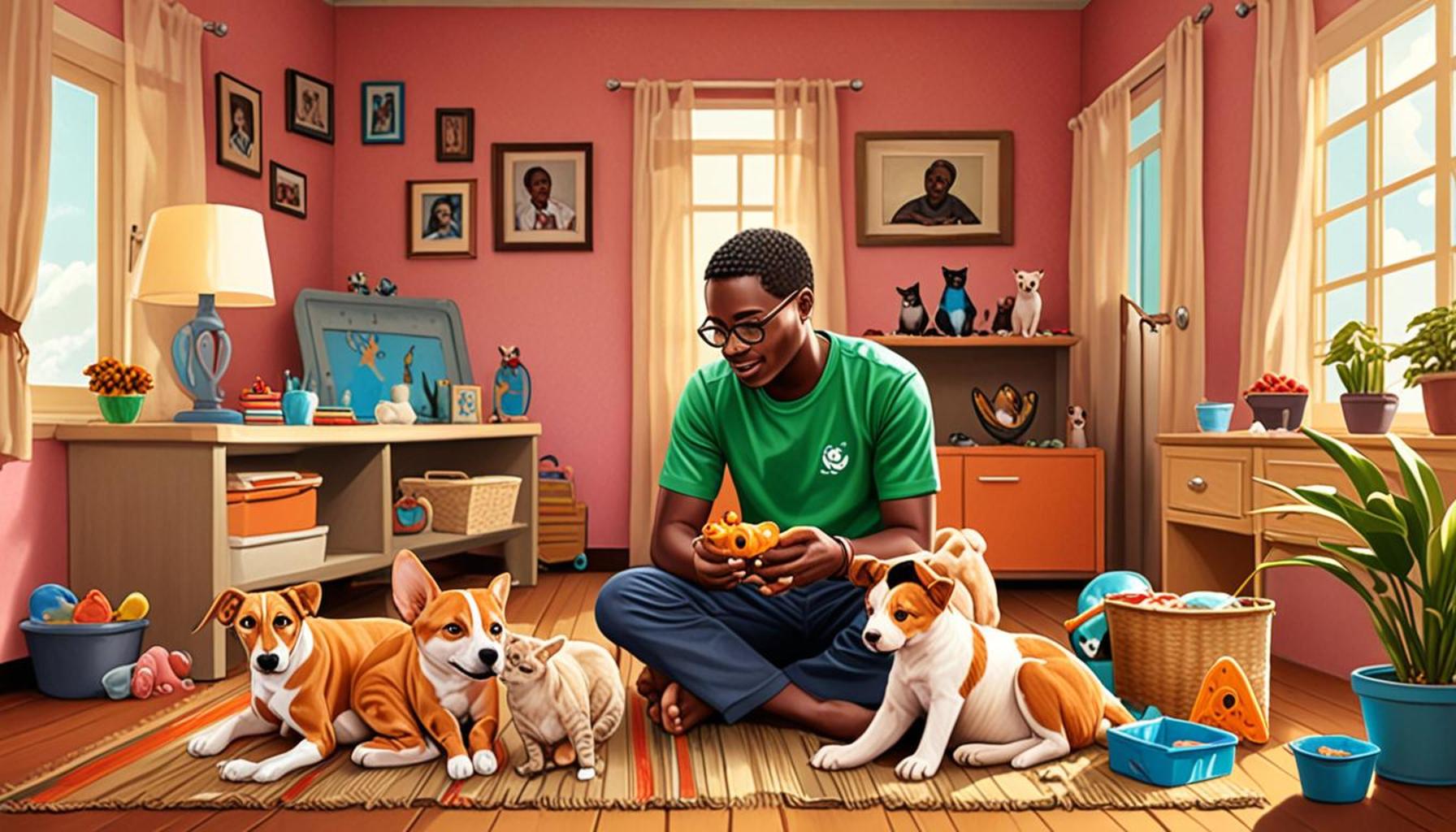
Understanding Family Dynamics in Pet Selection
Adopting a pet is a thrilling yet challenging decision, especially for Nigerian families. The right companion can bring joy, love, and endless adventure. However, with various options available, it’s crucial to make an informed choice that suits your family dynamic. Adopting a pet is not merely about having an animal around; it is about enhancing your family’s lifestyle and creating a bond that can last for years. Let’s explore how to make the best decision for your family.
Factors to Consider When Choosing a Pet
Start by considering several essential factors to ensure you select the best pet:
- Family Lifestyle: Assess whether your family is active or prefers a quieter home. Families who enjoy outdoor activities may benefit from a dog that enjoys walks and playtime in the park, such as a Labrador Retriever. Conversely, if your family enjoys a more relaxed environment, a cat or a small caged pet like a hamster can be great companions that don’t require much space or rigorous exercise.
- Space Availability: Evaluate if you have enough room for larger pets like dogs. A larger dog will need more space to roam, while an apartment might be more suited for smaller breeds or pets that require less area. Additionally, if you live in a densely populated urban area, consider animals that are better adapted to smaller living spaces, such as a Shih Tzu or even a rabbit.
- Ages of Family Members: Understanding the ages of your family members is crucial. Some pets are particularly tolerant of children and can handle the rough play that often comes with young ones, such as Golden Retrievers. In contrast, other animals, like certain breeds of cats or older pets, might prefer a calmer atmosphere, making them better suited for homes with older children or adults.
Understanding Pet Care Requirements
Understanding the specific needs of various pets is also vital. For instance, dogs require regular exercise and training, which might involve daily walks and obedience sessions. On the other hand, cats are generally more independent and can be left alone for longer periods, making them suitable for busy families. Exotic pets like birds or reptiles have their own unique requirements, such as specific diets and habitat conditions that must be meticulously maintained.
Additionally, consider adopting from local shelters or rescue organizations, which are abundant in Nigeria. This not only provides a loving home for an animal in need but also enriches your family’s experience by fostering compassion and responsibility. Pets from shelters can range from dogs and cats to other animals like rabbits, each with its own backstory deserving of your attention.
Popular Pet Choices in Nigeria
In the Nigerian context, popular choices include dogs, cats, and even exotic pets like birds. Dogs such as the indigenous Nigerian breeds, like the Basenji, are well-adapted to the local environment and can be affectionate family members. Cats, often revered for their independence, can provide companionship without requiring the level of commitment that many active dogs demand.
Whichever pet you choose, our furry friends require love and care. They contribute significantly to the emotional well-being of families, especially in the hustle and bustle of daily life. By taking the time to assess these factors, you will be better prepared to welcome a furry friend into your home, making it an even more joyful place to be. Engaging in responsible pet ownership and being mindful of the unique needs of your new companion can create lasting bonds and cherished memories for your family.
LEARN MORE: This related article may interest you
Evaluating Your Family’s Needs and Preferences
Choosing the ideal pet for adoption requires a thorough understanding of your family’s needs, routines, and lifestyle preferences. Every family is unique, and the right pet should fit seamlessly into your day-to-day life while enhancing your family’s dynamic. Below are key aspects to consider when evaluating your family’s needs and preferences for a new pet:
- Commitment Level: Different pets demand varying levels of time and attention. Consider how much time your family can realistically dedicate to a pet. Dogs, especially puppies, require substantial commitment in terms of training, socialization, and regular outdoor activity. On the other hand, cats may offer a more flexible companionship as they typically require less direct attention.
- Allergies and Health Considerations: It’s essential to factor in any allergies among family members. Some breeds are hypoallergenic, meaning they produce fewer allergens than others, allowing families with sensitivities to enjoy the companionship of a pet. Conducting a thorough check on the potential pet’s shedding and grooming needs can also help ease these concerns.
- Budget for Care: Alongside the initial adoption fee, it’s important to calculate future expenses related to veterinary care, food, grooming, and supplies. In Nigeria, a diverse range of pet care options is available, and some local veterinary clinics offer affordable services, making pet ownership feasible for various income levels. Understanding these costs upfront will help you avoid financial strain later on.
Importance of Family Engagement in the Selection Process
Involving all family members in the decision-making process can significantly impact the outcome of pet adoption. It creates excitement and helps establish a sense of responsibility. Discussing what each family member hopes to gain from a pet can provide insight into potential compatibility. For example, young children might be eager for an active playmate, while older family members may prefer a pet that enjoys a more serene companionship.
Additionally, it can be beneficial to visit a local shelter or animal rescue with the family. This not only helps in finding that perfect match but also allows family members to interact with different animals, making the decision-making process more informed. Engaging with animals can reveal preferences for certain breeds, temperaments, or sizes, creating a deeper understanding of what may suit your family best. Remember, adopting a pet should be a joyful experience, and understanding your family’s needs plays a pivotal role in making this journey fulfilling.
As you prepare for this significant decision, take a moment to reflect on how the introduction of a new pet can transform your home. Not only will you be welcoming a furry friend, but you will also be creating memories and experiences that can enrich your family life for years to come. Through proper evaluation of your family dynamics, the decision to adopt a pet can indeed turn into one of the best choices your family ever makes.
| Category | Key Characteristics |
|---|---|
| Size of Pet | Smaller pets may be more suitable for smaller living spaces common in urban Nigeria. |
| Energy Level | Low-energy pets like cats can be ideal for families with children needing calm environments. |
| Maintenance | Low-maintenance animals such as fish are great for families with busy schedules. |
| Temperament | Friendly and sociable pets foster family bonding and interactions. |
| Allergies | Hypoallergenic pets can benefit families sensitive to pet dander. |
When considering the adoption of a pet, it’s essential for Nigerian families to assess their living conditions, lifestyle, and preferences. Factors such as the pet’s size, energy level, and temperament play a crucial role in ensuring a harmonious household. Smaller pets, for instance, might be a perfect fit for urban dwellings where space is limited. Additionally, families should evaluate their daily routines; pets requiring less upkeep could suit those with busy lifestyles, while energetic breeds may resonate with active households. Assessing health considerations, such as allergies, can further guide this significant choice.
LEARN MORE: This related article may interest you
Understanding the Characteristics of Potential Pets
Once you have thoroughly evaluated your family’s needs and preferences, the next step is to explore the different characteristics of potential pets. Each species and breed comes with its own set of traits, which can significantly affect how well they adapt to your family life. Here are some factors to consider when assessing the right pet for adoption:
- Energy Levels: Different types of pets possess unique energy levels that can either complement or clash with your family’s daily rhythm. For instance, some dog breeds, such as the German Shepherd or Labrador Retriever, are high-energy and require plenty of exercise and stimulation, making them ideal for active families. Conversely, smaller breeds like the Chihuahua or Pomeranian might suit a less active household, as they tend to be more comfortable with shorter play sessions.
- Size and Space Requirements: The size of the pet plays a crucial role in its suitability for your family. Larger dogs, for example, may need ample living space and outdoor access to thrive, which could be an important consideration for families living in compact apartments. Additionally, families residing in urban areas should consider their local environment, including access to parks and pet-friendly spaces.
- Temperament and Behavior: Every animal has its own personality, and understanding these traits will guide you in choosing a pet that harmonizes with your family dynamics. Some breeds are known for their gentle disposition, making them great companions for children, while others may exhibit stubbornness or independence, which could pose challenges in a family setting. Researching breeds and spending time with pets at shelters can help you gauge their behavior.
Adopting Age Considerations
The age of the pet you choose for adoption can also considerably impact its integration into your family. Puppies and kittens possess boundless energy and cuteness, but they demand attention and training. Moreover, they offer families an opportunity for a long-term bond. However, families with tight schedules may find adult pets, especially those that have already been house-trained, to be a more practical option.
For families wishing to provide a loving home for animals in need, adopting senior pets could be immensely rewarding. Older animals often come with calmer temperaments and established behaviors that can make compatibility easier. In Nigerian families, where the depth of community bonds can be strong, adopting a senior pet can be an enriching experience for all members—teaching empathy and responsibility while providing a second chance to animals that have faced abandonment.
Local Adoption Organizations and Initiatives
<p<It is imperative to note that Nigeria is becoming increasingly conscientious about animal welfare and adoption. There are numerous local adoption organizations and initiatives in major cities like Lagos, Abuja, and Port Harcourt dedicated to finding homes for abandoned animals. Engaging with these organizations not only gives you access to a variety of pets but also allows you to receive guidance and support through the adoption process.
Moreover, many of these groups conduct community events aimed at educating families about responsible pet ownership and the benefits of adopting rather than purchasing pets from breeders. Participating in such initiatives can lead to a more informed decision-making process, ensuring that you find the ideal companion that complements your family’s lifestyle while contributing to the greater good of animal welfare in Nigeria.
CHECK OUT: Click here to explore more
Final Thoughts on Choosing the Perfect Companion
Choosing the ideal pet for adoption in Nigerian families is a decision that requires careful consideration and thoughtful planning. By assessing your family’s needs, understanding the characteristics of different pets, and recognizing local resources committed to animal welfare, you will be well-equipped to make the right choice. First and foremost, acknowledging the energy levels, size requirements, and temperament of potential pets helps ensure a harmonious coexistence, while considering the age and background of the animal allows for a more meaningful and rewarding relationship.
Moreover, by engaging with local adoption organizations, families can discover a diverse range of pets in need of loving homes, while receiving valuable guidance throughout the adoption process. This participation not only benefits the individual family but also contributes to a growing consciousness surrounding animal welfare in Nigeria. As families choose to adopt, they play a vital role in nurturing a culture of empathy and compassion that resonates throughout the community.
Ultimately, adopting a pet is not just about finding a companion; it’s about making a lifelong commitment that strengthens family bonds and enriches lives. Whether you bring home a playful puppy or a wise senior pet, your decision will undoubtedly have a profound impact on your family dynamics. So, as you embark on this journey, remember that the right pet is out there, waiting for a chance to become part of your cherished family legacy.
Related posts:
Animal Adoption in Times of Crisis: How the Community Can Support Shelters and Protectors
The Importance of Volunteering in Animal Shelters to Promote Adoption in Nigeria
Effective Behavioral Training Strategies for Cats in Urban Environments
Understanding Allergies in Pets: Symptoms and Effective Treatments
Healthy Eating: How to Choose the Ideal Food for Your Pet
How Animal Adoption Can Promote Empathy and Social Responsibility in Youth

Linda Carter is a writer and pet care expert specializing in pet health, grooming, and wellness. With extensive experience helping pet owners create safe, loving, and enriching environments for their animals, Linda shares her knowledge on our platform. Her goal is to empower readers with practical advice and strategies to ensure their pets thrive and lead joyful, healthy lives.