How to Teach Your New Pet to Adapt to the Family Environment
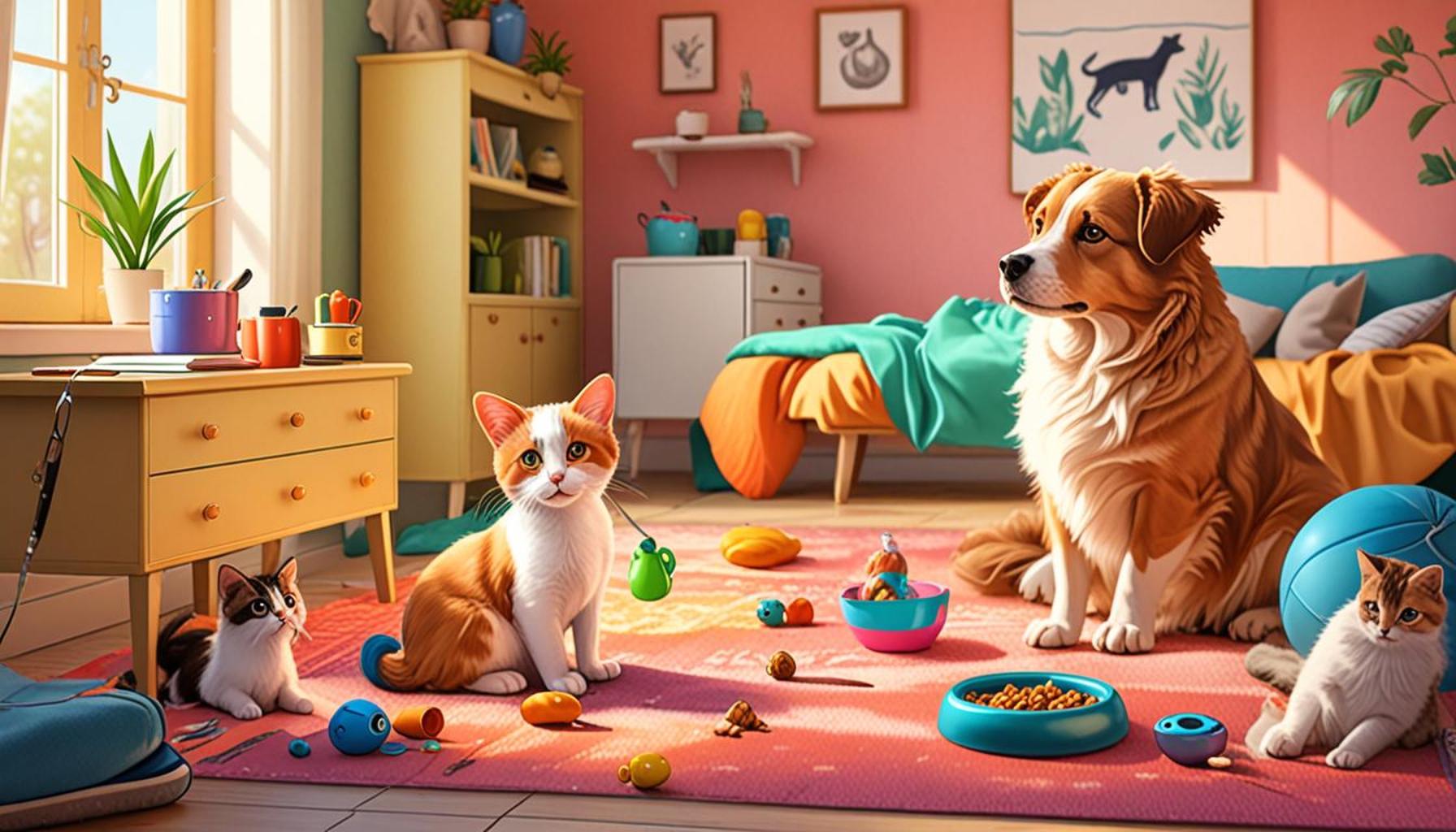
Understanding Your New Pet’s Needs
Welcoming a new pet into your home is an exciting adventure, yet it can also be overwhelming for both you and your furry friend. The transition to a family environment necessitates a combination of patience, understanding, and effective training techniques. Creating a warm atmosphere for your new companion will boost their confidence and help them acclimate more successfully.
Recognizing the Challenges
Every pet is unique, and their adaptation process can differ widely based on several key factors:
- Type of pet: Dogs, cats, and smaller animals such as rabbits or guinea pigs possess varying needs and behaviors. For instance, a dog typically craves companionship and requires regular walks, while a cat may thrive with less attention but still needs interactive play to stay engaged.
- Background: Rescue pets often come with a complicated history that demands extra sensitivity and care. Many may have experienced abandonment or mistreatment, and it is essential to approach these pets with care. For example, a dog from a shelter might be fearful of sudden movements, while a rescued cat may take longer to warm up to new environments and people.
- Age: Puppies and kittens generally adapt to new surroundings with greater ease, easily adjusting to routines and interactions. In contrast, older pets may require more time to feel secure in their new home, as they may have established their own habits and comfort zones.
Key Steps to Facilitate Adjustment
To help your new pet feel welcome, consider implementing the following strategies:
- Establish a routine for feeding and playtime: Predictability is a comforting element for pets. By providing consistent meal times and setting aside daily play periods, your new pet can begin to understand their place in the family, resulting in less anxiety and greater trust.
- Create a safe and comfortable space: Establishing a dedicated area where your pet can retreat when overstimulated is crucial. This could be a cozy bed in a quiet corner or even a crate that they can perceive as a secure den. Such spaces help pets feel protected while they adjust to the buzzing household environment.
- Gradually introduce them to family members and other pets: Allowing your new pet to acclimate at their own pace is essential. Start by allowing them to observe household activities from a distance before introducing them to family members and pets one-on-one, ensuring that interactions remain positive and calm.
Incorporating these practices will not only aid in your pet’s adjustment but will also enrich your family’s experience. As you navigate the responsibilities of pet ownership, consider investing time in understanding their breeds, histories, and specific needs. This knowledge can greatly enhance your bonding experience and provide a contented environment for your furry friend. Stay tuned as we delve deeper into effective strategies to nurture this vital connection.
LEARN MORE: This related article may interest you
Building Trust Through Effective Communication
Building a strong bond with your new pet is pivotal in facilitating their adaptation to your family environment. Just like humans, pets communicate, but their language is different. Understanding your pet’s way of expressing feelings will significantly enhance your relationship and ease their transition.
Understanding Body Language
Recognizing and interpreting your new pet’s body language is key. Dogs may wag their tails, bark, or display specific postures to indicate enthusiasm or discomfort, while cats might flatten their ears or puff up their tails when startled. Here are some common signs to help you decode your pet’s emotions:
- Relaxed posture: Indicates comfort and confidence, whether it’s a sprawled-out dog or a purring cat.
- Averted eyes: This can signal that your pet feels threatened or overwhelmed. It’s essential to give them space.
- <strong.Ears back: In dogs, this can indicate fear or submission; in cats, it often signals annoyance.
- Paw waving or abrupt movements: This might suggest your pet is in play mode, ready to interact.
In Nigeria, familiarizing yourself with local breeds can also provide insight into specific behaviors. The Nigerian local breeds, such as the Africanis, may exhibit distinct traits that can help you understand their needs during the adjustment phase. By learning these cultural nuances, you’ll further strengthen your communication skills, which is vital for a harmonious home.
Using Positive Reinforcement
Utilizing positive reinforcement is one of the most effective training methods for pets. Instilling trust in your new companion can involve offering praise, treats, or playtime when they display desired behaviors. This is particularly crucial in a family environment where busy lifestyles might overwhelm a new pet. Here are some tips for implementing positive reinforcement:
- Start small: Encourage simple commands like “sit” or “come” with gentle guidance and rewards. Patience is fundamental.
- Be consistent: Consistency in commands, tone of voice, and rewards helps your pet understand expectations, promoting faster learning.
- Keep training sessions brief: Short training intervals, around 5 to 10 minutes, keep your pet engaged and prevent frustration.
For families in Nigeria, daily routines often incorporate community activities, such as outdoor gatherings or local markets. Use these opportunities to socialize your pet gradually. Taking them to familiar environments can help solidify their understanding of acceptable behaviors with varied stimuli around them.
By focusing on building trust through effective communication and positive reinforcement, you pave the way for a successful adaptation of your new pet into your family dynamic. As innate nurturers, humans share a unique bond with animals, and taking the time to understand their perspectives can result in a fulfilling relationship for everyone involved. Stay tuned for more insights and tips on nurturing this vital connection, ensuring that your new pet feels truly at home.
Understanding Your Pet’s Needs
When bringing a new pet into your home, it’s essential to understand their individual needs. Each animal comes with its own personality, experiences, and history. Factors such as age, breed, and past experiences can influence how quickly a pet will adapt to a new family environment. For instance, a young puppy may be more adaptable than an older dog who has developed fixed habits and routines. Take time to observe your new pet’s behavior; recognizing signs of anxiety or stress can guide you in providing the right support.
Creating a Safe Space
One of the first steps to help your new pet adapt is to create a safe and comfortable space for them. Establish a quiet area where your pet can retreat if they feel overwhelmed. This space can be furnished with their bed, toys, and some familiar items that smell like them. For many pets, having a designated spot helps in easing anxiety and establishing their sense of belonging in your home.
Gradual Introductions
Introduce your pet to family members slowly and methodically. Allow each family member to sit quietly with the pet, allowing the animal to approach them at their own pace. Avoid overwhelming your new pet with excitement or loud interactions initially. Gradual exposure can help build trust and confidence.
Positive Reinforcement Techniques
Implementing positive reinforcement techniques will pave the way for effective training and integration into your home. Using treats, toys, and verbal praise, reward your pet for displaying desired behaviors. This approach not only reinforces good behavior but also helps them form positive associations with their new environment.
Establishing Routine
Establishing a routine is crucial for helping your new pet feel secure. Consistent feeding times, regular walks, and designated playtimes create a predictable environment. This structure can alleviate stress and allow your pet to feel more at home. In summary, facilitating a smooth transition for your new pet into the family environment requires understanding, patience, and dedication. Each step taken not only improves their adjustment but ensures a happy and harmonious home for all family members.
ADDITIONAL INSIGHTS: Expand your understanding here
Creating a Safe and Stimulating Environment
Once you have established effective communication with your new pet, the next crucial step is to cultivate an environment that promotes safety and stimulation. Pets thrive in spaces where they feel secure and have opportunities to engage their natural instincts. Both dogs and cats can exhibit various behaviors that reflect their needs for mental and physical activities, so understanding how to create this enriching environment will help your pet adapt more seamlessly to your family life.
Setting Up a Safe Space
Every pet needs a designated area where they can retreat to feel safe. This is especially important for newly adopted animals who might feel overwhelmed by the hustle and bustle of family activities. Here are some tips for establishing a safe space:
- Choose a quiet location: Select a corner of your home that offers minimal traffic, where your pet can relax without constant interruptions.
- Provide comfort items: Place a soft bed or blanket, along with some favorite toys in the area. Familiar scents provide reassurance.
- Establish boundaries: If possible, use pet gates to restrict access to certain areas until your new companion feels more at ease.
In Nigeria, where many households may also have extended family and visitors regularly coming over, it’s even more crucial to have this safe space to defuse potential anxiety for your new pet. For example, during family gatherings, your pet can retreat when they need a break from the festive energy.
Providing Mental Stimulation
Pets, especially young and active ones, need mental challenges to keep them happy and healthy. Boredom can lead to destructive behaviors and anxiety, hindering their adaptation in your family setting. Here are ways to include stimulating activities:
- Interactive toys: Purchase toys that require your pet to solve puzzles for treats. These can range from treat-dispensing balls to catnip-filled toys that encourage exploration.
- Training games: Engage in fun activities that reinforce training. Incorporate agility courses or fetch games in the yard or a safe open area. This not only promotes bonding but also builds their confidence.
- Simple DIY projects: Use household items creatively, such as hiding treats in cardboard boxes or making a feather wand for your cat. These activities stimulate their natural hunting instincts.
These creative outlets not only keep your new pet entertained but also help weave them into the fabric of your family life. It becomes a shared experience, allowing different family members to participate and strengthen the bond with the pet.
Socialization with Family Members
Involving all family members in your pet’s early socialization is essential for their adaptation. Introducing them to various environments and people will foster a sense of belonging. Here are some effective strategies:
- Gradual introductions: Allow family members to approach your pet at their own pace. Encourage them to use calm voices and gentle gestures to avoid overwhelming your new companion.
- Incorporating daily routines: Include your pet in family activities, such as morning walks or evening relaxation times in the living room. Consistent interactions reinforce the idea that they are part of the family.
- Teaching children about pet care: Educate younger family members about gentle interaction and respecting the pet’s boundaries. This fosters empathy and creates a positive relationship dynamic.
As you nurture these connections within your family, your new pet will feel increasingly welcomed and secure, laying the groundwork for a harmonious household filled with love and companionship.
RECOMMENDED: Check out this similar article
Conclusion: Fostering Harmonious Family-Pet Relationships
Bringing a new pet into your home is an exhilarating journey, brimming with anticipation and joy. However, ensuring your pet adapts seamlessly to the family environment requires thoughtful strategies. Throughout this article, we’ve explored essential techniques such as establishing effective communication, creating a safe space, providing mental stimulation, and encouraging socialization with family members. Each of these elements plays a pivotal role in easing your pet’s transition and promoting mutual understanding.
Understanding your pet’s unique personality and needs is vital in nurturing a bond that flourishes over time. Incorporating activities that engage them will not only fulfill their natural instincts but will also enhance family ties. For instance, participating in shared games and responsibilities can create lasting memories and strengthen the emotional connection between your family and your new pet.
In a diverse country like Nigeria, where family dynamics can frequently change, implementing these strategies could lead to a more harmonious living environment. The joy of seeing your pet thrive and feel at home is a rewarding outcome of your efforts. Always remember that patience is key; every pet has its timeline for adjustment, and observing their progress can be an engaging experience for all.
As you embark on this journey, remain committed to fostering an environment where love, understanding, and acceptance are at the forefront. Ultimately, caring for a new pet is not just about teaching them how to adapt; it’s about integrating them as beloved members of your family, thereby enriching your lives together.
Related posts:
Understanding Allergies in Pets: Symptoms and Effective Treatments
Signs of Common Diseases in Pets: How to Recognize and Act Quickly
Inspiring Stories of Adopted Animals and Their New Homes
How to Deal with Common Challenges in Pet Adoption
The Importance of Regular Exercise for Pets' Physical and Mental Health
Natural Diets for Pets: Benefits and Risks of Homemade Feeding

Linda Carter is a writer and pet care expert specializing in pet health, grooming, and wellness. With extensive experience helping pet owners create safe, loving, and enriching environments for their animals, Linda shares her knowledge on our platform. Her goal is to empower readers with practical advice and strategies to ensure their pets thrive and lead joyful, healthy lives.