Natural Diets for Pets: Benefits and Risks of Homemade Feeding
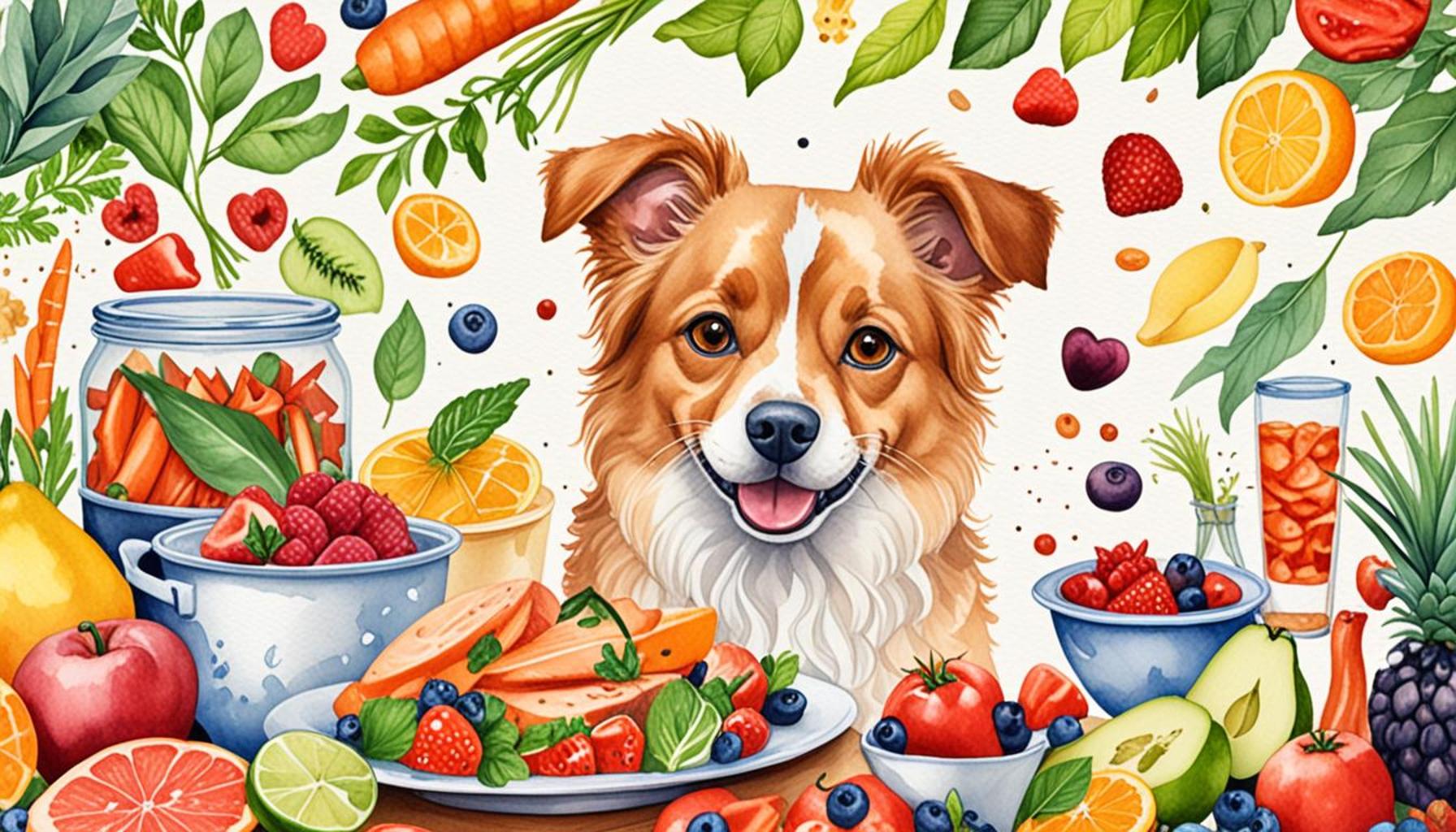
Understanding the Shift Towards Homemade Pet Diets
In recent years, an increasing number of pet owners are opting for natural diets to promote their pets’ wellbeing and overall health. The growing awareness surrounding the nutritional needs of pets has driven many to explore homemade feeding options. However, the question remains: does this trend truly offer benefits, or does it come with hidden challenges that could compromise your pet’s health?
When considering a natural diet for your pet, several essential factors must be taken into account. One of the most significant aspects is the use of fresh ingredients. Homemade meals often feature real meats, a variety of colorful vegetables, and wholesome grains. For instance, you might prepare a meal using chicken, carrots, spinach, and brown rice, providing a nourishing and appealing dish. This focus on freshness can lead to healthier pets, as many commercially available pet foods contain preservatives and fillers that may contribute to long-term health issues.
Another advantage of homemade diets is the control over ingredients. Pet owners have the freedom to personally select what goes into their pets’ meals, ensuring that only high-quality, safe foods are included. This is particularly beneficial for pets with specific allergies and sensitivities. A pet owner in Lagos, for example, might encounter a dog allergic to common commercial ingredients like soy or wheat, making a customized meal plan with rice, lamb, and sweet potatoes a practical solution.
However, transitioning to a homemade diet does not come without its share of challenges. First and foremost is the need for nutrition balance. It is critical to ensure that any homemade meal provides all the necessary nutrients—proteins, carbohydrates, vitamins, and minerals—required for your pet’s health. This often involves researching and consulting reliable veterinary sources to create a well-rounded diet. Furthermore, the process of meal preparation can be time-consuming. Dedication and effort are necessary to prepare these balanced meals, which may deter some busy owners.
Moreover, the cost factor cannot be overlooked. High-quality ingredients can lead to an increase in pet food expenses over time. For pet owners who reside in Nigerian cities, where prices for fresh produce can fluctuate, budgeting for a homemade diet may require careful planning and consideration.

In Nigeria, cultural insights can also play a role in shaping dietary choices for pets. Many owners may already cook meals for their families, so adapting these recipes for pets may feel more accessible. Nonetheless, it is imperative to ensure that these meals are suitable for animal consumption, as certain human foods can be toxic to pets.
As you contemplate the decision to switch to a homemade diet for your furry family member, staying informed is critical. Consulting with a veterinarian or a pet nutrition specialist can help guide you towards making wise choices and striking a balance between health and practicality. With the right knowledge and approach, homemade pet feeding can enhance the lives of both pet and owner alike.
SEE ALSO: Click here to read another article
Exploring the Benefits of Natural Diets for Pets
The trend of homemade feeding has rekindled interest among pet owners regarding the dietary choices they make for their furry companions. One significant benefit of natural diets is the potential for improved overall health in pets. By preparing meals at home, pet owners can ensure that each dish is tailored to meet the specific dietary requirements of their animals. This personalization is particularly crucial for pets that may have unique health considerations. For instance, a pet suffering from kidney issues might benefit from a diet lower in protein, which can be more easily controlled in homemade meals.
Another attractive feature of homemade diets is the opportunity to use fresh, whole ingredients. Unlike some commercial pet foods that may rely on low-quality fillers or artificial additives, homemade meals can incorporate a wide variety of nutrients through natural foods. For example, many pet owners choose to include ingredients such as:
- Lean meats: such as chicken, turkey, or fish, which are excellent sources of protein.
- Colorful vegetables: like carrots, peas, and spinach, providing essential vitamins.
- Wholesome grains: such as brown rice or oats, offering carbohydrates for energy.
- Healthy fats: like fish oil or flaxseed oil, which can enhance coat health and support skin.
This attention to ingredient quality not only supports health but can also lead to improved palatability. Many pets exhibit heightened enthusiasm for meals made from fresh ingredients, as opposed to the overly-processed foods found on shop shelves. Consequently, owners may find that their pets are more willing to eat nutritious meals, thus addressing issues such as picky eating or feeding aversions.
Furthermore, homemade diets allow pet owners to closely monitor and control the nutritional content of each meal. This is particularly advantageous in Nigeria, where allergies to soy, corn, or other common fillers may be prevalent. Customizing a diet allows for the elimination of these potential allergens while incorporating beneficial ingredients tailored to the pet’s needs. Such flexibility can be a game-changer for owners managing pets with sensitivities.
However, it’s essential to tread carefully when venturing into the world of homemade pet diets. While the benefits are impressive, the risks associated with an unbalanced diet can be severe. Inadequate nutrition can lead to obesity, malnutrition, and other health complications over time. Pet owners must remain vigilant and educated about the necessary nutrients for their particular breed, age, and size. Consulting a veterinarian can provide valuable insight into achieving a balanced approach.
As the surge in popularity for natural diets continues, it’s crucial for pet owners to weigh the positives against the potential risks. By staying informed and providing balanced, well-rounded meals, pet owners can create a healthy, sustainable diet for their companions that helps cultivate a long, happy life.
| Advantages of Homemade Feeding | Considerations |
|---|---|
| Customization | Pet owners can tailor recipes to meet specific dietary needs and preferences. |
| Use of Fresh Ingredients | Homemade diets often consist of fresh, unprocessed ingredients, enhancing nutritional quality. |
| Transparency | Increased knowledge of what exactly goes into your pet’s meals, reducing hidden additives. |
| Bonding Experience | Preparing meals for your pets can strengthen the bond between owner and pet. |
| Cost-Effectiveness | Often, making food at home can reduce long-term pet care costs. |
Natural diets for pets, especially homemade feeding, present intriguing possibilities as they allow pet owners to embrace a more hands-on role in their pets’ nutrition. Customization is a significant draw, providing flexibility in accommodating specific health issues or dietary restrictions. Many pet owners also prefer fresh ingredients over processed pet food, fostering a perception of enhanced nutritional value. However, transparency in ingredients is crucial, as it eliminates concerns over potentially harmful additives commonly found in commercial products.Moreover, the process of preparing meals at home can foster a strong connection between pet and owner. It transforms feeding time into a shared activity, underscoring the emotional bond that develops through care and attention to health. Additionally, with planning, homemade diets can prove to be cost-effective solutions in the long run, inviting pet owners to balance quality and affordability while prioritizing their beloved pet’s wellbeing.
ADDITIONAL INSIGHTS: Expand your understanding here
Understanding the Risks of Homemade Feeding
While the advantages of homemade pet diets are enticing, it is vital to recognize the potential drawbacks that can arise when transitioning your pet’s meals. One of the most significant risks associated with natural diets is the possibility of nutritional imbalances. Crafting a well-rounded diet requires a deep understanding of the nutritional needs specific to each pet. Insufficient intake of essential vitamins, minerals, and macronutrients may lead to serious health issues over time.
Many pet owners may overlook the nutritional requirements for crucial components like calcium, phosphorus, and vitamins, which can result in conditions such as osteoporosis or stunted growth in young pets. For instance, diets high in protein but lacking in critical nutrients can lead to organ strain, particularly in dogs and cats. The pets’ needs differ according to factors like age, weight, breed, and activity levels, which means a one-size-fits-all approach is inadequate when it comes to meal preparation.
Another risk involves the potential presence of pathogens in raw homemade diets, especially those that include raw meats. In Nigeria, where concerns related to hygiene and food safety are increasingly becoming paramount, feeding pets raw ingredients might pose a significant health risk not only to the pets but also to the human members of the household. Bacteria, such as Salmonella or E. coli, can easily proliferate in improperly handled raw food, leading to severe gastrointestinal issues.
Moreover, pet owners may unintentionally introduce toxic foods into their homemade meals. Common ingredients, such as onions, garlic, grapes, and chocolate, can be highly toxic to pets, and their inclusion can have fatal consequences. Awareness of these harmful ingredients is crucial as some pet owners might not familiarize themselves with them while focusing on natural options. For instance, while bananas are safe, avocado is not, and its inclusion could lead to something as grave as cardiovascular distress in some pets.
A final concern regarding homemade diets is the time commitment required to ensure adequate meal preparation. Crafting a balanced diet requires research, planning, and often, daily preparation. Many busy pet parents may struggle to maintain the consistency required for a nutritionally adequate pet diet amidst their hectic schedules, increasing the risk of dietary inconsistency.
Despite the numerous homemade diet recipes that flood social media platforms, pet owners should realize that adopting a natural diet is not merely an aesthetic trend driven by the allure of “clean food,” but rather a responsible choice that demands careful thought and commitment. Therefore, prior to making dietary changes, seeking professional advice from a veterinarian or a pet nutritionist is critical. This guidance will ensure that any new feeding regimen aligns with the pet’s specific health needs while mitigating the potential risks associated with homemade feeding.
LEARN MORE: This related article may interest you
Final Thoughts on Natural Diets for Pets
In conclusion, the journey toward adopting homemade pet diets presents both enticing benefits and significant risks that pet owners must carefully navigate. Embracing a natural diet can enhance your pet’s overall health, boost energy levels, and foster a stronger bond between pet and owner. However, this approach is not without its challenges. Nutritional imbalances, the presence of harmful pathogens, and the potential inclusion of toxic ingredients are all valid concerns that can impact your pet’s well-being.
Given the unique dietary needs dictated by factors such as breed, age, and activity level, it is essential to understand that a blanket recipe may not suffice. A comprehensive knowledge of human food and its implications for pet health is vital. This aspect is particularly crucial in Nigeria, where awareness regarding food safety and nutritional content is still evolving.
While the allure of embracing natural diets speaks to our desire for holistic and clean feeding options, let us not overlook the importance of informed decision-making. Consulting with a veterinarian or pet nutritionist is indispensable to tailor a diet that suits your pet’s individual needs while minimizing risks. In this age of information, empowering ourselves with knowledge can lead to healthier pets and ultimately a more fulfilling companionship.
As you consider alternative feeding methods, remember the harmony between nature and pet health. With the right approach and professional guidance, homemade feeding can be a rewarding experience that enhances the quality of life for our furry friends.
Related posts:
The Impact of Pet Adoption on the Mental Health of Owners
How Animal Adoption Can Promote Empathy and Social Responsibility in Youth
The Benefits of Adopting Senior Animals: Tips and Considerations
The Importance of Behavioral Training for Specific Dog Breeds
Effective Behavioral Training Strategies for Cats in Urban Environments
Inspiring Stories of Adopted Animals and Their New Homes

Linda Carter is a writer and pet care expert specializing in pet health, grooming, and wellness. With extensive experience helping pet owners create safe, loving, and enriching environments for their animals, Linda shares her knowledge on our platform. Her goal is to empower readers with practical advice and strategies to ensure their pets thrive and lead joyful, healthy lives.