Natural Foods vs. Commercial Food: What is Best for Your Pet?
Understanding Pet Nutrition
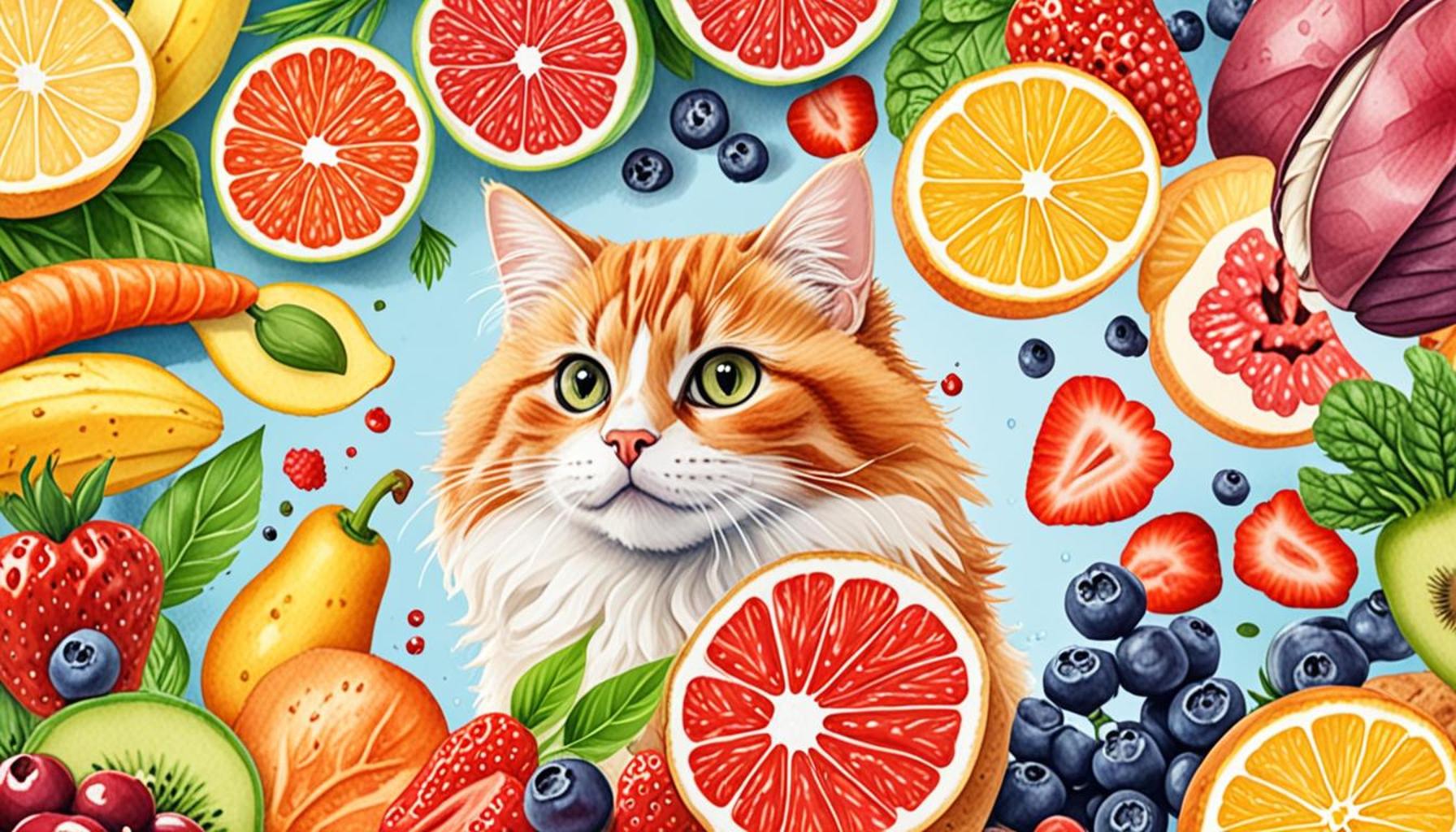
The debate surrounding natural foods versus commercial food for pets has taken center stage among pet owners. With the growing awareness of health and wellness, pet caregivers are keen to make informed choices. But what really lies behind these two choices? Pet nutrition is becoming a focal point for many Nigerian families who view their pets as integral members of the household. This increased focus reflects the importance of proper diet in ensuring the long-term health and happiness of pets.
Key Considerations
As pet parents in Nigeria explore their options, there are crucial factors to consider:
- Ingredients: Natural foods are often made with recognizable whole ingredients, while commercial foods can include artificial additives, preservatives, and fillers. For example, a natural diet could consist of fresh vegetables and meats, which are easy to identify, whereas commercial brands may contain ingredients like by-products or chemical preservatives. Understanding food labels is essential in making informed choices.
- Nutrition: Many believe that natural diets provide superior nutrition for pets’ overall health, potentially leading to longer lifespans and better quality of life. A study indicated that pets on natural diets often display higher energy levels and better coat conditions compared to those fed commercial brands, suggesting a more balanced intake of nutrients.
- Cost: Budget plays a significant role; natural foods can sometimes be pricier compared to commercially-produced options. While home-cooked meals or fresh ingredients sourced from local markets may incur a higher upfront cost, pet parents should consider the long-term health benefits, potentially reducing the need for expensive vet visits down the line.
Local Trends
Nigerian pet owners are increasingly turning towards locally sourced natural alternatives, reflecting a shift in the perception of pet care. With easy access to markets and the abundance of regional produce, the following options are becoming popular:
- Fresh vegetables like carrots and pawpaw, often available at local markets, can provide essential vitamins and minerals that are crucial for your pet’s health.
- Whole grains such as rice and corn are staples that not only serve as a base for many meals but also deliver necessary carbohydrates for energy.
- Protein sources like fish and chicken from local markets serve as excellent sources of protein which are fundamental in supporting muscle development and overall bodily functions in pets.
As the conversation on pet nutrition evolves, understanding the pros and cons of each option can guide you in making the best choice for your furry friends. By combining local knowledge with an appreciation for nutritional needs, pet owners can create a balanced diet that ensures their pets thrive. Join us as we delve deeper into the specifics of these dietary options, and explore how you can make small, meaningful changes in your pet’s diet for a happier, healthier life!
LEARN MORE: This related article may interest you
Navigating the World of Pet Diets
As pet owners embark on the journey of providing the best nutrition for their furry companions, a critical question arises: Should you opt for natural foods or stick with commercial food? To make an informed decision, understanding the nuances of each choice is paramount. The nutrition landscape for pets is rapidly evolving, especially in Nigeria, where different factors like culture, availability, and affordability influence diet selections.
The Value of Natural Foods
Advocates of natural foods often highlight the benefits stemming from their minimal processing and lack of harmful additives. These diets are rich in whole ingredients, which can closely resemble what pets might consume in the wild. The key benefits may include:
- Enhanced Digestibility: Natural foods often lead to improved digestion for pets, as they are free from fillers and artificial ingredients that can pollute their digestive systems.
- Increased Nutritional Value: With a focus on fresh ingredients, natural diets can provide a more complete range of vitamins and minerals essential for optimal health, including antioxidants from fruits and vegetables.
- Personalized Nutrition: Pet owners who choose a natural diet often take the time to tailor meals to their pets’ specific needs, which may enhance their health status and satisfaction.
Local markets in Nigeria present a treasure trove of natural options, giving paw-parents the ability to incorporate fresh produce and proteins. By experimenting with combinations of locally sourced fish, chicken, and fresh vegetables like spinach and yam, pet owners can craft balanced meals that truly resonate with their pets’ nutritional needs.
The Case for Commercial Food
On the flip side, commercial pet foods offer convenience and reassurance due to their consistent formulation and regulated standards. Many pet owners find commercial options appealing for several reasons:
- Convenience: The busy lifestyles of many pet owners make commercial options an appealing choice, as they require less preparation time than home-cooked meals.
- Shelf Stability: Commercial foods are designed to have a longer shelf life, making it easier for pet owners to stock up without worry about spoilage.
- Complete Nutrition: Reputable commercial brands often conduct research to ensure that their products meet the nutritional requirements established for different life stages of pets, reassuring owners that their furry friends receive balanced meals.
With diverse commercial options available in Nigeria, from well-known international brands to emerging local manufacturers, pet owners have an array of choices. However, it is crucial for them to investigate the ingredient lists and select products that prioritize quality and transparency.
As the discourse around pet diets continues to flourish, recognizing the merits and drawbacks of both natural and commercial food becomes essential. Understanding where your pet stands in terms of health, lifestyle, and dietary needs can guide you in your decision-making process. The journey to optimal pet nutrition is filled with excitement and learning — let’s dig deeper and discover what might be the best fit for your beloved companions!
As pet owners, one of the most compelling choices we face is between natural foods and commercial food. The rise of the natural food trend is in part due to an increasing awareness of the ingredients found in mass-produced commercial pet foods. Understanding the distinctions can help pet parents make informed decisions about what is best for their furry companions.
Natural Foods: A Closer Look
Natural pet foods, often perceived as holistic, typically contain whole ingredients, free from artificial additives and preservatives. This leads to a diet that is typically rich in nutrients and protein sources such as real meats, fresh fruits, and vegetables. These ingredients often lead to better long-term health outcomes for pets, as whole foods can improve digestion, enhance coat health, and boost energy levels.
Commercial Foods: The Other Side
On the other hand, commercial pet foods are formulated to meet nutritional standards set by regulatory bodies. While often convenient and affordable, these foods may include fillers, artificial colors, and preservatives which could compromise your pet’s health in the long run. Moreover, certain commercial brands have been associated with nutrient deficiencies and even health risks due to questionable sourcing practices.
Consideration for Your Pet
When deciding between natural and commercial pet foods, one must consider their pet’s specific health needs, lifestyle, and any food allergies they may have. Not all natural options are created equal, and quality does vary significantly across both categories. Engaging in comprehensive research and consulting with a veterinarian can provide invaluable insights tailored to your pet’s individual requirements.
| Natural Foods | Commercial Foods |
|---|---|
| Whole Ingredients | Formulated Nutrition |
| Less Processing | Cost-Effective |
As you weigh your options, remember that every pet is unique, and opting for either natural or commercial food requires careful consideration. Factors such as pet age, breed, and specific dietary needs should all play a role in your decision-making process.
SEE ALSO: Click here to read another article
Understanding Pet Health and Dietary Considerations
When making nutritional choices for pets, it’s essential to consider individual health needs, age, activity levels, and potential allergies. Each pet is unique, and their dietary preferences may vary widely. As pet owners navigate the crossroads of natural foods versus commercial food, knowing how to tailor their selections to match their pets’ specific conditions becomes critical.
Considerations for Special Dietary Needs
Specialty diets are often necessary for pets with unique health challenges. For instance, pets with allergies may find relief in natural foods that allow for strict ingredient control, free from common allergens like corn, soy, or preservatives found in some commercial brands. Many pet owners in Nigeria have reported success in using natural options to identify and eliminate triggers. Veterinary advice is vital during this process, as professionals can help dissect dietary needs based on medical histories.
Moreover, aging pets often require adjustments in their diets to accommodate conditions such as arthritis or dental issues. Low-calorie natural foods, alongside Omega-3 fatty acids found in fish, can promote joint health, while softened foods can ease the strain meant for older, sensitive mouths. Conversely, many positioned commercial dog foods claim to cater to senior pets, providing balanced nutrition tailored to their needs — but one must scrutinize the ingredients to ensure quality.
Cultural Influences and Traditional Diets
In Nigeria, traditional diets can influence pet feeding practices significantly. Local staples such as rice, beans, and yam are sometimes incorporated into pet meals, accompanied by modest amounts of meat and cooked vegetables. These diets, though not typically endorsed as complete, can effectively complement balanced natural feeding when monitored.) Local knowledge can enhance pet meals by adapting familiar ingredients to meet modern nutritional standards. This blend of old and new approaches could bring about a unique pet culinary culture.
The Myth of Brand Loyalty
One frequent misconception among pet owners is that all commercial brands are reliable simply due to their popularity. While many reputable brands undergo extensive testing and adhere to rigorous nutritional standards, others might compromise on quality in favor of marketability. Nigeria boasts a growing industry of local pet food manufacturers aiming to provide high-quality options. However, an evidence-based approach when selecting a brand is essential. Analyzing analytical lab reports and user testimonials can supplement desired outcomes in finding the right fit.
The Importance of Veterinary Guidance
Regardless of the chosen path, consultation with a veterinarian plays a pivotal role in shaping a suitable diet plan for pets. Vets can provide insights into any deficiencies in specific diets, suggesting optimal supplementations when the need arises. Additionally, they can help identify potential dietary problems before they escalate into severe health issues, creating a win-win situation. Investing time in vet consultations and nutritional assessments can ultimately make a marked difference in your pet’s overall health.
As individuals dive deeper into the world of pet nutrition, choices become more nuanced. Weaving through the benefits of natural foods, convenience of commercial options, and factors affecting your pet’s health is essential. The responsibility of being a paw-parent extends beyond daily feedings — it involves an ongoing commitment to learning and adapting for the wellbeing of our furry companions.
LEARN MORE: This related article may interest you
Conclusion: Finding the Right Nutritional Path for Your Pet
In the ever-evolving discussion of natural foods versus commercial food for pets, it is evident that there is no one-size-fits-all solution. The journey towards optimal pet nutrition is deeply personal and must be aligned with individual pet needs, lifestyle, and cultural influences. As we navigate this complex landscape, pet owners must become informed advocates for their furry companions, weighing the advantages of both natural diets—rich in fresh, whole foods—and the convenience of commercially prepared options.
As highlighted throughout this article, engaging with a veterinarian for individualized dietary advice is essential. Their expertise can help you strike a balance between these two approaches, ensuring pets receive wholesome nutrition tailored to their unique health challenges, age, and dietary preferences. Additionally, as the Nigerian pet food industry grows, local producers are stepping up by offering reliable commercial food options that bridge the gap between traditional diets and modern nutritional standards.
Therefore, as you contemplate the best dietary approach for your pet, keep an eye out for quality ingredients, transparent labeling, and holistic benefits—whether from a natural source or a commercial brand. By staying informed and proactive, you can create a diet that nourishes your pet’s health and enhances their quality of life. After all, the ultimate goal is to cultivate a loving and healthy partnership with your pet that lasts a lifetime.
Related posts:
The Importance of a Balanced Diet for Dogs and Cats in Nigeria
The Role of Herbs and Spices in Pet Nutrition: Benefits and Risks
The Importance of Environmental Enrichment for the Well-Being of Pets
Balanced Diet Benefits for Pet Health in Nigeria Explained
Essential Nutrients for Pets: What to Know About Proteins, Carbohydrates, and Fats
Toxic Foods for Pets: What to Avoid in Your Pets' Diet

Linda Carter is a writer and pet care expert specializing in pet health, grooming, and wellness. With extensive experience helping pet owners create safe, loving, and enriching environments for their animals, Linda shares her knowledge on our platform. Her goal is to empower readers with practical advice and strategies to ensure their pets thrive and lead joyful, healthy lives.