Positive Training Techniques for Cats: Creating a Harmonious Environment
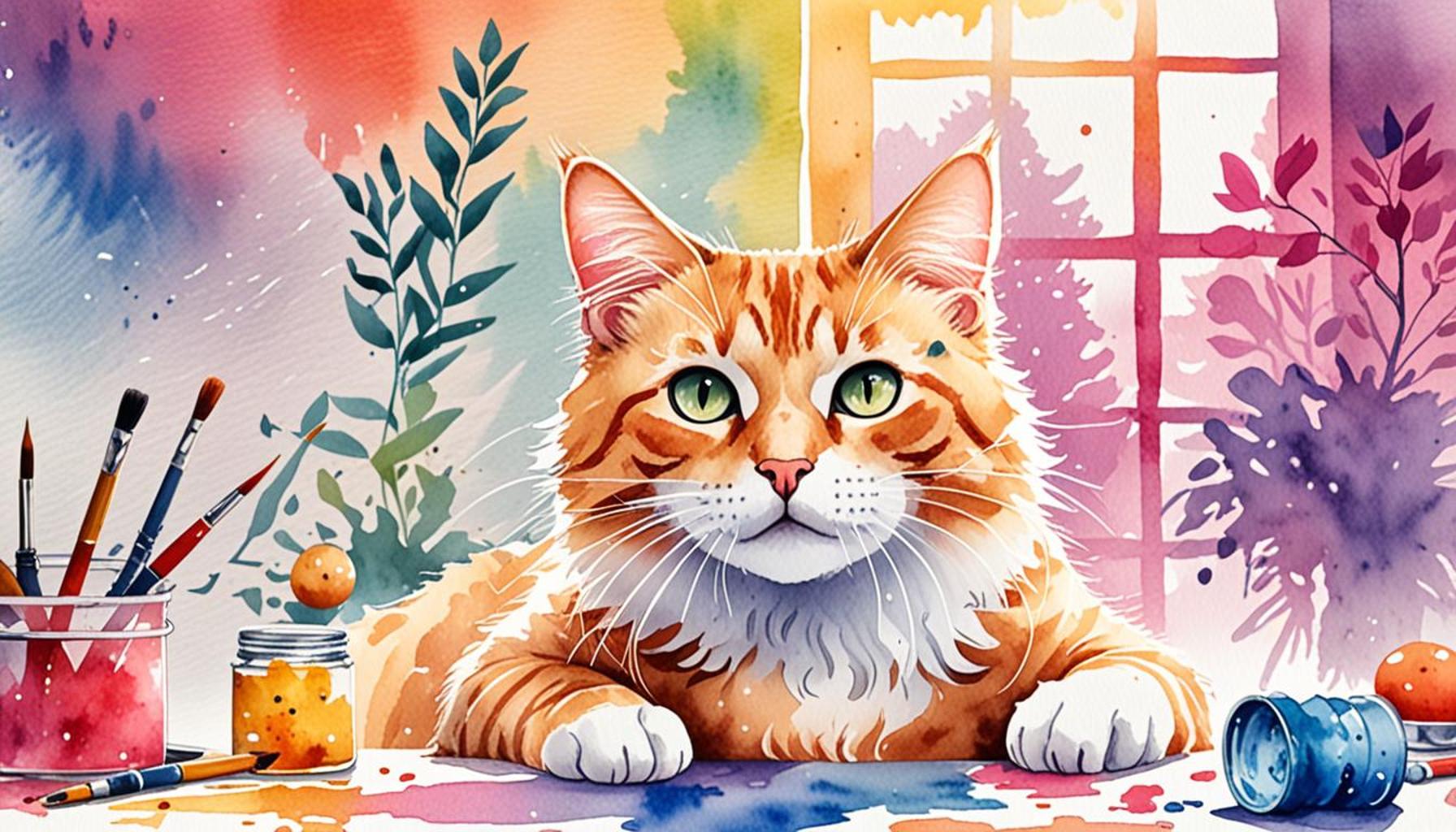
Creating a Positive Atmosphere for Your Feline Friend
Imagine a home where your cat thrives, displaying behavior that is both joyful and harmonious. Positive training techniques can transform your relationship with your furry companion, making it enjoyable for both of you. By focusing on reinforcement rather than punishment, you can guide your cat toward better habits. It is essential to remember that every cat is unique; understanding their personality and preferences is the key to fostering a nurturing environment.
Understanding your cat’s needs is crucial. Here are some key techniques to consider:
- Rewards-based training: Use treats or praise to encourage good behavior. For instance, every time your cat uses its scratching post instead of the furniture, reward it with a small treat or enthusiastic praise. In Nigeria, you might find that local cat treats, such as dried fish or chicken, are an excellent motivator, tapping into their natural instincts and providing a delicious reward.
- Clicker training: A simple tool that marks desired actions, helping to communicate effectively. By associating the sound of the clicker with a reward, your cat learns to associate positive experiences with particular behaviors. This method is particularly effective for teaching commands or tricks, turning learning into an engaging game for your pet.
- Environmental enrichment: Provide toys, scratching posts, and safe spaces to stimulate their mind and body. Climbing trees, interactive toys, and cozy spots created with pillows can provide your cat with different engagement opportunities. Cats are inherently playful animals, and integrating local materials like woven baskets or handmade toys may resonate better with your feline friend.
Adopting these methods not only reduces stress but also fosters trust between you and your pet. For many Nigerians, creating that bond means a happy home, resulting in fewer behavioral issues. Cats that feel secure and entertained are less likely to exhibit destructive behaviors, such as scratching furniture or excessive meowing.
As you delve into the world of positive cat training, you’ll find a wealth of resources that can guide you. Books, online courses, and even local training workshops can provide valuable insights into effective techniques tailored to your cat’s temperament. Let this journey lead you to discover how little changes can create a significant impact in building a more harmonious relationship with your feline companion. The investment in time and effort will yield rewards—not just in behavioral improvements, but in the depth of connection you will share with your pet.
ADDITIONAL INSIGHTS: Expand your understanding here
Key Techniques for Successful Positive Training
Embracing positive training techniques not only enhances your cat’s behavior but also creates a lasting bond that paves the way for a harmonious environment. Understanding the various methods available can significantly improve your interactions with your feline friend. Here are some effective techniques that can help both you and your cat thrive together:
- Positive Reinforcement: This technique centers around recognizing and rewarding desirable behaviors rather than focusing on reprimanding negative ones. For instance, when your cat approaches you without clawing at the furniture or jumping on the dining table, offer a treat or affection as a reward. In Nigeria, using local delights, such as small pieces of roasted meat or fish, can make the reward even more enticing and enjoyable for your pet.
- Target Training: Target training is an engaging way to teach your cat to follow your hands or a specific object. Introducing a target stick, for example, encourages your cat to touch it with their nose, followed by a reward. This method can be used to guide your cat from one point to another or to encourage specific actions, making the training session both instructional and fun.
- Scent Training: Cats have an incredible sense of smell, making scent training a powerful tool. You can use various scents to entice your cat into desired areas or to encourage specific behaviors. For example, create a designated scratching post area scented with catnip, which not only encourages cats to scratch on the appropriate items but also creates a positive association with the area.
- Social Interaction: Providing opportunities for social engagement is essential for your cat’s well-being. Regular playtime and interaction not only serve as exercise but also help reduce anxiety. Local activities such as visiting a pet-friendly gathering or a casual neighborhood stroll can foster confidence and social skills in your cat, reinforcing the positive experience whenever they explore new environments.
These techniques are powerful when tailored to your cat’s unique dispositions and preferences. For example, understanding whether your pet responds better to food rewards or verbal praise can progress your training initiatives. Such customization can lead to a more fulfilling experience for both you and your cat, minimizing frustration and enhancing outcomes.
Building a productive and positive training routine will help alleviate common behavioral issues, such as scratching and litter box challenges. An engaging, rewarding environment encourages cats to express their natural behaviors constructively while promoting a sense of security. Ultimately, investing in these positive training techniques allows you to discover the nuances of feline communication, leading to a deeper satisfaction in your shared companionship.
| Training Technique | Benefits |
|---|---|
| Clicker Training | Encourages positive reinforcement and strengthens the bond between cat and owner. |
| Environmental Enrichment | Enhances the cat’s natural behaviors, leading to reduced stress and a harmonious living space. |
| Socialization Practices | Promotes well-adjusted feline behavior, resulting in a calm household and better interaction with people and pets. |
| Positive Reinforcement Techniques | Encourages desired behavior through praise and treats, creating a positive training atmosphere. |
The integration of positive training techniques can significantly enhance your cat’s well-being while fostering a peaceful home environment. For example, clicker training not only rewards your cat for good behavior but also builds a robust bond between you and your furry friend. Through consistent and clear communication, your cat learns to associate the clicker sound with positive outcomes.In addition, environmental enrichment allows your cat to engage in natural instincts, such as scratching, climbing, and exploring. Providing opportunities for these behaviors will ultimately lead to reduced stress levels, as enriched environments prevent boredom and anxiety.Implementing socialization practices during a cat’s early development can ensure they grow into well-adjusted adults. Socialized cats are typically more comfortable around humans and other pets, leading to a serene atmosphere in the home.Finally, utilizing positive reinforcement techniques encourages your cat to repeat actions that generate happiness and reward. This not only reinforces good behavior but also establishes a tranquil training routine that both you and your cat enjoy. Embracing these techniques creates a truly harmonious environment where both you and your feline companion thrive together.
ADDITIONAL INSIGHTS: Expand your understanding here
Enhancing Your Cat’s Learning with Environmental Enrichment
Creating a harmonious environment goes beyond simple training techniques. Environmental enrichment plays a vital role in allowing your cat to thrive and learn effectively. When cats are mentally and physically stimulated, they are less likely to develop behavioral issues. Here are some ingenious ways to enhance your home environment for your feline friend:
- Interactive Play: Incorporating interactive play into your cat’s routine can foster a stronger bond and satisfy their natural hunting instincts. Use feather wands or laser pointers to engage your cat in a game. Rather than playing aimlessly, set training goals, such as having your cat “catch” the toy a specific number of times, followed by a reward. This not only reinforces training but also keeps your cat occupied and happy.
- DIY Puzzle Feeders: Challenge your cat’s problem-solving skills by creating DIY puzzle feeders. These feeders require your cat to work for their food, making mealtime more enriching. You can repurpose egg cartons or cardboard boxes filled with treats or kibble as a stimulating reward. This method not only makes eating interactive but also minimizes destructive behavior due to boredom.
- Safe Outdoor Explorations: Providing your cat with safe outdoor experiences can significantly enhance their quality of life. If you have a garden or a safe enclosed area, consider using a leash and harness for supervised outdoor adventures. This allows cats to explore nature, experience new sights and smells, and socialize with other pets. In Nigeria, where outdoor space may vary, creating an indoor “catio” can serve as a perfect solution to facilitate safe outdoor exploration.
- Vertical Spaces: Cats are natural climbers and love to perch at heights. Investing in cat towers, shelves, or even creating DIY climbing areas can give your pet an opportunity to exercise and explore. Putting these structures near windows can allow your cat to observe the outdoors, providing mental stimulation that makes them feel more engaged with their environment.
Integrating these enriching elements into your cat’s daily routine supports their training process. Each activity acts as an opportunity for you to reinforce positive behaviors while enhancing their natural instincts. Understanding your cat’s preferences is crucial; some may prefer chasing toys, while others may enjoy interactive treat games.
Another critical aspect of creating a harmonious environment for cats is ensuring they have a comforting space. Providing varied textures for scratching, cozy napping spots, and safe zones for retreat can significantly reduce stress levels. Consider using designated corners with mats or blankets, especially in areas where your cat usually feels overwhelmed or exposed.
Regularly assessing the environment and adapting to your cat’s needs fosters a sense of security, which is paramount for emotional well-being. Moreover, this foundational understanding will strengthen your positive training techniques, making the overall experience enriching and rewarding.
As you adapt and modify your home based on these insights, strive to maintain consistency in your training efforts. Structured routines paired with creative environmental enrichments result in an ideal setting for your cat to learn and prosper, ensuring a joyful companionship that lasts a lifetime.
CHECK OUT: Click here to explore more
Conclusion: Fostering a Fulfilling Bond with Your Cat
In conclusion, positive training techniques for cats are not merely about teaching obedience; they are about fostering a profound connection and creating a harmonious environment where both pet and owner can thrive. By utilizing strategies such as environmental enrichment, interactive play, and safe exploration, you’re not just enhancing your cat’s learning capabilities but also catering to their innate instincts and preferences. The key lies in understanding the unique personality of your feline companion and adapting your methods accordingly.
Moreover, as we navigate through our busy lives in Nigeria, it’s crucial to remember that consistency in training efforts, paired with creative stimulation, can significantly influence a cat’s behavior and overall happiness. From providing engaging toys that challenge their intellect to ensuring they have safe spaces for relaxation, every detail of their environment matters.
Encouraging a playful and secure atmosphere will lead to a well-adjusted cat, reducing the likelihood of troublesome behaviors stemming from boredom or anxiety. By focusing on positive reinforcement and environmental support, you can cultivate not only a peaceful home but also a lasting bond that enriches both your life and that of your cat.
As you embark on this rewarding journey, keep exploring new techniques and opportunities to engage your furry friend. Empower yourself with knowledge and resources, and remember that the joy of a well-trained, happy cat enriches every day shared together. Each small effort you make towards this goal’ creates a more fulfilling companionship, making the dream of a harmonious home a beautiful reality.
Related posts:
How the urban environment of Nigeria influences pet behavioral training
Developing a Behavioral Training Program for Therapy Pets in Nigerian Communities
How Animal Adoption Can Contribute to Reducing Abandonment in the Community
The importance of behavior training for street dogs in Nigeria
The influence of Nigerian culture on pet behavior training
Tips for Preparing Your Home to Welcome an Adopted Pet

Linda Carter is a writer and pet care expert specializing in pet health, grooming, and wellness. With extensive experience helping pet owners create safe, loving, and enriching environments for their animals, Linda shares her knowledge on our platform. Her goal is to empower readers with practical advice and strategies to ensure their pets thrive and lead joyful, healthy lives.