The Evolution of Pet Nutrition in Nigeria: Challenges and Opportunities
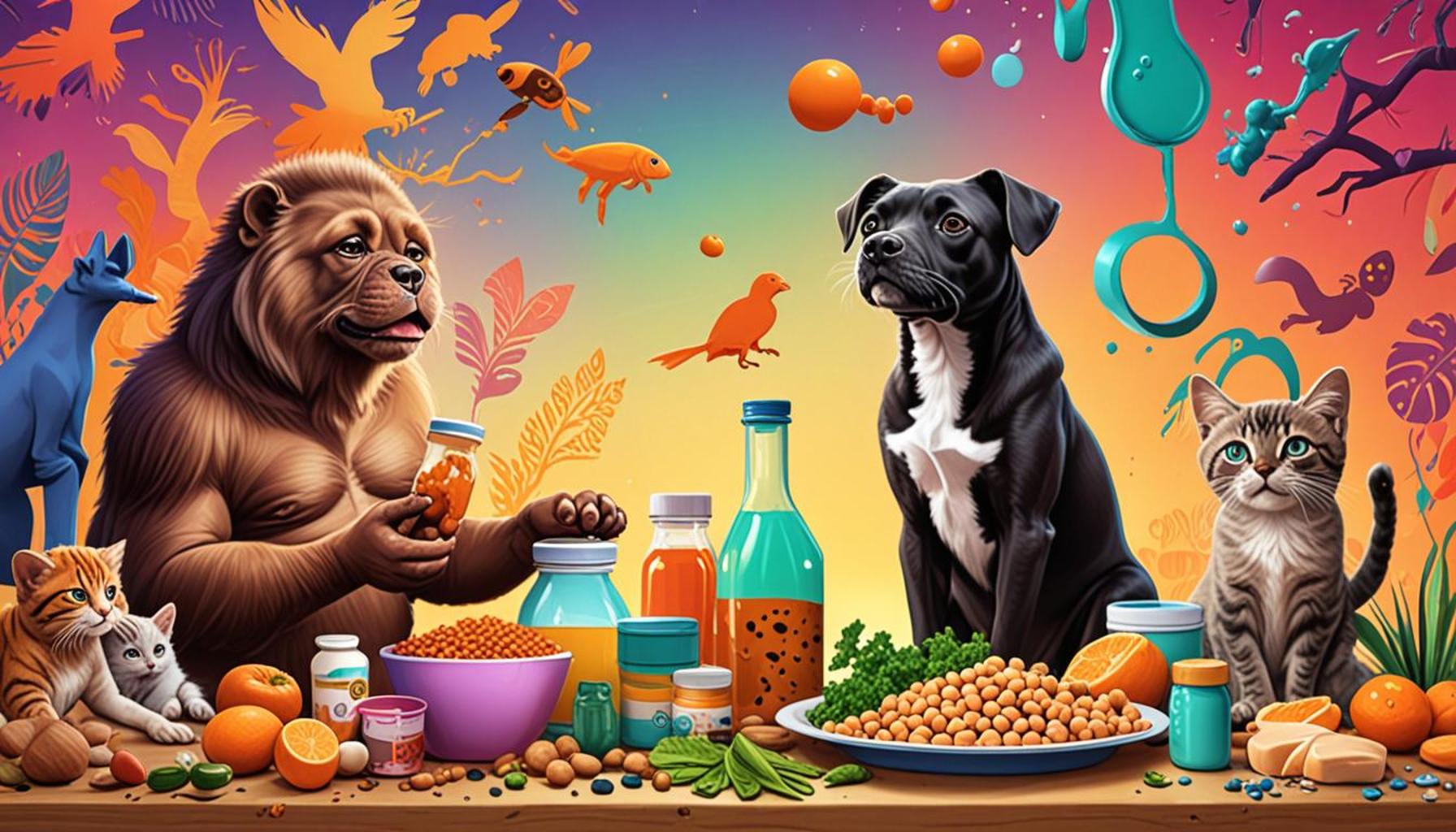
Discovering the Shift in Pet Nutrition in Nigeria
Nigeria’s pet nutrition landscape is evolving rapidly, reflecting the broader societal changes propelled by urbanization and modernization. Pet owners are now more aware of the significance of well-balanced diets for their animals, leading to a surge in demand for nutritious meals tailored to their pets’ needs. This change not only highlights the value of good nutrition for pets but also unveils a plethora of challenges and opportunities for the burgeoning pet food industry.
Key Aspects of Pet Nutrition Development
Traditionally, pets in Nigeria were often fed leftover table scraps or locally sourced foods, which lacked the necessary nutritional balance required for optimal health. However, as awareness grows, more pet owners are embracing specialized diets designed to meet the unique needs of their pets. Some of the noteworthy trends include:
- Growth in demand for commercial pet food products: There has been a significant uptake in the purchase of pre-packaged pet food, which is gaining trust for its convenience and nutritional labeling. Brands are increasingly offering products that cater to various dietary requirements, such as grain-free options and those fortified with vitamins.
- Awareness of specific dietary needs: Pet owners are paying closer attention to their animals’ intake based on factors like breed, age, and health conditions. For instance, large breed puppies might require food that supports healthy bone growth, while elderly dogs need diets lower in calories and enriched with joint-supporting nutrients.
- Emergence of local brands: As demand rises, several local brands have sprouted, introducing high-quality pet food tailored specifically for Nigerian pets. These brands often leverage locally sourced ingredients to create more cost-effective options while maintaining nutritional standards.
Nevertheless, the growth of the pet nutrition industry is not devoid of challenges. Key hurdles include:
- Limited access to high-quality ingredients: Even with local production rising, many manufacturers struggle to procure premium ingredients that meet international standards, which can affect the overall quality of the pet food.
- High costs associated with imported pet foods: For many pet owners, especially in lower-income brackets, imported brands can be financially prohibitive, leading them to compromise on quality for cost.
- Need for education on nutritional standards: Many pet owners are still unfamiliar with what constitutes a balanced diet for their pets. Awareness programs and educational initiatives are crucial to informing pet owners about nutritional needs and food labeling.
Despite these setbacks, the Nigerian pet nutrition industry is poised for growth. As the economy improves and pet ownership increases, there are ample opportunities for innovation and development. For example, collaborations between local farmers and pet food manufacturers could lead to the creation of healthier, more affordable pet food options while boosting local agriculture. Furthermore, workshops and seminars for pet owners can enhance understanding and awareness of proper pet nutrition.
In conclusion, while the path to improved pet nutrition in Nigeria may be fraught with challenges, the potential for positive change is significant. As consumers become more knowledgeable and priorities shift towards pet health, the future of the pet nutrition industry looks promising, opening doors to a healthier and happier life for countless pets across the nation.
CHECK OUT: Click here to explore more
Navigating the Landscape of Pet Nutrition
As pet ownership surges in Nigeria, so too does the need for adequate pet nutrition. The shift from traditional feeding practices aligned with the changing perceptions of pets as family members is noteworthy. Many pet owners now recognize that providing a nutritionally balanced diet is paramount for their pets’ well-being, marking a significant change from the previously common practice of feeding scraps and local fare.
This evolving landscape reveals both hurdles and avenues ripe for exploration in the Nigerian pet food market. The increased consumption of commercial pet food products has paved the way for various key developments:
- Increased availability and variety: With the burgeoning demand for pet food, manufacturers are responding with a myriad of options, from wet to dry food, catering to different pet sizes, breeds, and dietary needs. For instance, brands are rolling out specialized formulations that address common health issues in dogs and cats, such as obesity, allergies, and digestive concerns.
- Focus on quality and ingredients: Nigerian pet owners are becoming more discerning, carefully examining ingredient lists for nutrition and safety. The push for transparency has encouraged manufacturers to source premium ingredients that comply with safety regulations, although price and availability remain significant factors influencing consumer choices.
- Online shopping and distribution channels: The rise of e-commerce in Nigeria has also transformed the way pet nutrition products are purchased. Pet owners are turning to online platforms for convenience, exploring various brands and pricing, thus enabling informed purchasing decisions. This trend highlights the growing role of digital marketing and distribution in the pet food industry.
However, amid the upward trajectory of the pet nutrition sector, challenges persist that can hamper continued growth:
- Inflation and economic pressures: The economic challenges faced by many Nigerians can deter pet owners from investing in quality pet food. With rising prices on imported goods and local products alike, cheaper alternatives may be more appealing, posing concerns about nutritional adequacy.
- Regulatory hurdles: The lack of stringent regulations and standards in the pet food sector may lead to inconsistencies in product quality. This permits subpar brands to enter the market, posing risks to pet health and undermining consumer trust.
- Cultural perceptions of pets: Although attitudes are shifting, there remains a segment of the population that views pets primarily as guards or work animals. This perspective can limit the overall market growth for premium pet food products and hinder educational outreach on proper pet nutrition.
Despite these challenges, the potential for innovation is strong. Local initiatives that focus on establishing better supply chains for quality ingredients can drive progress. Moreover, educating pet owners about nutritional standards and fostering partnerships between pet food companies and veterinary professionals could elevate the discourse on pet nutrition and enhance the quality of products available in Nigeria.
As the pet nutrition landscape continues to evolve in Nigeria, addressing these challenges while leveraging emerging opportunities will be crucial. With sustained effort, the journey towards healthier pets and informed pet owners will ultimately enrich the bond between Nigerians and their furry companions.
As the pet ownership landscape evolves in Nigeria, so does the understanding of pet nutrition. The transition from traditional feeding practices—often reliant on scraps and local grains—to more scientifically formulated pet foods reflects significant shifts in consumer awareness and practices. This awakening has been driven by an increasing number of veterinarians advocating for proper pet nutrition and the growing availability of diverse, quality pet food products in local markets. Additionally, urbanization and the rise of the middle class have led to a greater demand for premium pet food, providing opportunities for both local and international manufacturers. Local businesses are beginning to innovate, creating formulations that cater specifically to Nigerian pets’ needs, thus promoting health and longevity. However, challenges persist. Educating pet owners about the importance of complete and balanced diet regimes is still a struggle, as misinformation regarding pet diets is prevalent.Emerging online platforms and social media are playing a crucial role in spreading knowledge and increasing accessibility to pet nutrition products. Pet owners are now more informed about ingredients, nutritional value, and the potential health implications of their choices. Provision of information through various channels demonstrates a promising trend towards improved pet health standards nationwide.Furthermore, collaborative efforts between governmental bodies, NGOs, and pet industry stakeholders can create a robust framework for promoting pet welfare and nutrition standards. By establishing guidelines and addressing import policies related to pet food products, stakeholders can enhance market growth while ensuring safety and nutritional value. In this dynamic landscape, the evolution of pet nutrition is an ongoing journey full of both challenges and opportunities, demanding adaptability from consumers and innovators alike. Understanding these elements is pivotal for those wishing to navigate the complexities of pet ownership in Nigeria effectively. The future presents promising avenues for enhancing pet nutrition awareness and product availability, ultimately fostering a healthier society for pets and their owners.
CHECK OUT: Click here to explore more
Emerging Trends and Future Directions
The dynamics of pet nutrition in Nigeria are influenced not only by changing consumer habits but also by broader trends that shape the industry. These emerging trends present both challenges and robust opportunities for growth in the sector. For instance, the growing awareness of natural and holistic pet foods has gained traction among discerning pet owners. This shift towards a more health-conscious approach encourages companies to produce options that are free from artificial additives, preservatives, and fillers, fostering a preference for organic ingredients.
Moreover, health-oriented pet foods that cater to specific dietary needs – such as grain-free, high-protein, or low-carb formulations – are becoming increasingly popular. This reflects a notable trend in the humanization of pets, where owners meticulously choose products that align with their pets’ health objectives. In Nigeria, local startups are beginning to fill this niche by creating bespoke pet food brands that utilize locally sourced ingredients. By sourcing raw materials like yam, fish, and chicken from Nigerian farmers, these brands not only support the local economy but also promote sustainability and reduce reliance on imported products.
Another pivotal shift is the rising demand for pet supplements and functional foods. With pet owners acknowledging the emerging health issues among pets, including obesity and joint problems, the market for nutritional supplements is set to expand significantly. Supplements like Omega-3 fatty acids for healthy skin and coats, probiotics for gut health, and vitamins to strengthen the immune system are becoming essentials in the pet care regimen. Local veterinarians are increasingly recommending these products, providing a pathway for education on their benefits.
Social media is also a critical factor transforming the landscape of pet nutrition in Nigeria. With the prevalence of pet influencers and dedicated communities on platforms like Instagram and Facebook, owners are able to share experiences, tips, and product recommendations with one another. This interconnectedness fosters greater awareness about appropriate pet nutrition, as well as insights into the best products available on the market. Brands that recognize this trend can effectively leverage digital marketing strategies to build brand loyalty and drive consumer engagement.
As pet nutrition continues to evolve, addressing the supply chain challenges will be crucial. Steps towards strengthening the logistics networks for local manufacturers can enhance product availability and affordability, countering the inflationary pressures that often impact the sector. Furthermore, investment in local manufacturing processes would streamline production costs and improve freshness, while also reducing dependency on imported goods.
The educational gap regarding pet nutrition also presents a unique opportunity for growth. Educational campaigns targeting pet owners about nutrition—such as workshops, online seminars, and collaborations with veterinarians—can foster informed decision-making in purchasing. By promoting educational initiatives that clarify the importance of a balanced diet for pets, the industry can nurture a conscientious consumer base that prioritizes pet health.
In summary, as we navigate the evolving landscape of pet nutrition in Nigeria, it is evident that the interplay of emerging trends, consumer attitudes, and educational efforts will shape the future of the industry. The adaptation to these changes, paired with proactive engagement from stakeholders, can unleash a wealth of opportunities for innovation and quality improvement, ultimately enhancing the relationship between Nigerian pet owners and their beloved companions.
RECOMMENDED: Check out this similar article
Conclusion
The journey of pet nutrition in Nigeria underscores a remarkable transformation fueled by shifting consumer preferences, innovative practices, and a heightened awareness of pet health. As pet owners increasingly gravitate towards natural and holistic food options, the demand for locally sourced ingredients is driving small businesses to flourish while supporting the nation’s economy. This local empowerment not only enhances sustainability but also fosters a sense of community among pet lovers across the country.
Moreover, the rise in awareness regarding health-oriented pet diets and the growing interest in nutritional supplements are reshaping the pet care landscape. As veterinarians begin to advocate for functional foods, a pathway is paved for a well-informed consumer base eager to invest in the well-being of their pets. This evolution presents a unique opportunity for manufacturers and entrepreneurs to introduce innovative products tailored to specific dietary needs.
However, the industry must also confront challenges such as logistical inadequacies and the need for widespread education on pet nutrition. Addressing these hurdles can lead to a more reliable supply chain and promote informed purchasing decisions among pet owners. Ultimately, by embracing the opportunities that lie within these challenges, the pet nutrition sector in Nigeria stands poised for substantial growth.
As we look toward the future, the collaboration between industry stakeholders, local producers, and the community will be essential in navigating this evolving landscape. By fostering a culture of education, awareness, and commitment to quality, we can enhance the health and happiness of Nigerian pets and strengthen the bond between pets and their owners.
Related posts:
The Role of Nutrition in the Prevention of Diseases in Pets: Facts and Fictionalizations
How to Choose the Right Food for Dogs and Cats at Different Life Stages
The Importance of a Balanced Diet for Dogs and Cats in Nigeria
How to Identify Food Allergies in Pets and Adjust Their Diet
Toxic Foods for Pets: What to Avoid in Your Pets' Diet
Common Pet Diseases in Nigeria Prevention Tips and Solutions

Linda Carter is a writer and pet care expert specializing in pet health, grooming, and wellness. With extensive experience helping pet owners create safe, loving, and enriching environments for their animals, Linda shares her knowledge on our platform. Her goal is to empower readers with practical advice and strategies to ensure their pets thrive and lead joyful, healthy lives.