The Importance of Balanced Nutrition for Dogs and Cats: How to Choose the Ideal Food
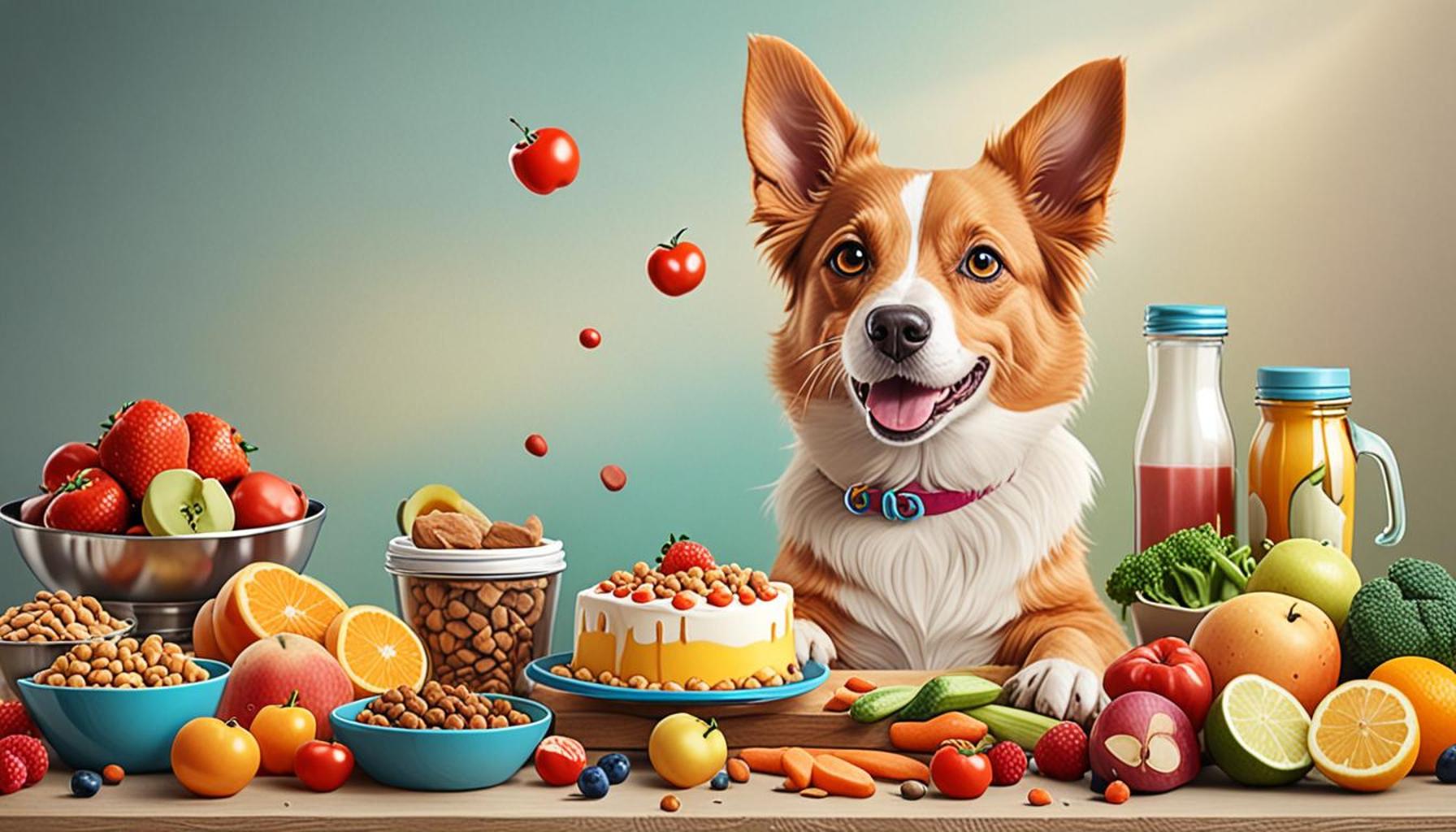
Understanding Pet Nutrition
Keeping your pets healthy starts with a robust understanding of their nutritional needs. Just like humans, balanced nutrition is vital for dogs and cats to thrive. The combination of essential vitamins, minerals, proteins, fats, and carbohydrates can significantly influence their overall health, energy levels, and well-being. For pet owners in Nigeria, navigating through the myriad of available choices can be a challenge, but knowledge is the first step toward making the best decisions for your furry companions.
Why is Balanced Nutrition Crucial?
Many pet owners are unaware of how crucial proper nutrition is. A well-balanced diet does more than simply fill a bowl; it serves as a foundation for a pet’s quality of life. An adequate diet can prevent:
- Obesity: An excess of calories can lead to weight gain, making pets susceptible to a painful list of conditions, including joint issues, diabetes, and reduced life expectancy. In Nigeria, where fast-food options for pets may be readily available, it’s important to monitor portion sizes and quality.
- Diseases: A poor diet can increase the risks for chronic diseases such as diabetes, heart disease, and even cancer. For instance, a lack of omega-3 fatty acids, often found in fish oils, can lead to skin problems and poor coat condition.
- Behavior Issues: Nutritional deficiencies can affect mood and behavior, leading pets to exhibit anxiety or aggression. A diet deficient in certain B vitamins may lead to behavioral problems in dogs, illustrating that what they consume affects their emotional health.
In Nigeria, with a wide variety of pet foods available—from local brands to imported options—choosing the right one can be overwhelming. Learning how to read labels, including understanding ingredient lists and nutritional adequacy statements, is essential for making informed choices that lead to healthier pets.
How to Choose the Ideal Food
When selecting food for your furry friends, there are several important factors to consider:
- Age: Puppies and kittens have different requirements than adult pets. Young animals require growth formulas, which are rich in calories and nutrients to support their development. On the other hand, senior pets may benefit from diets that are lower in calories to maintain a healthy weight.
- Activity Level: Active pets, including those that participate in regular exercise or play, need more calories and nutrients compared to those that are more sedentary. In Nigeria, where outdoor activities for pets are popular, it’s crucial to adjust dietary needs accordingly.
- Health Issues: Some pets may have specific health concerns, such as allergies or sensitivities to certain ingredients. Consulting a veterinarian can help tailor a diet that addresses these issues effectively, ensuring your pet eats what is best for their health.
Equipped with this information, you’ll be better prepared to choose a diet that ensures healthy and happy pets. With increasing awareness about pet health in Nigeria, the journey toward optimal nutrition has never been more important. Stay informed and make choices that will benefit your beloved companions for years to come.

YOU MAY ALSO LIKE: Read read another article
Deciphering Pet Food Labels
Understanding the label on pet food can feel like deciphering a foreign language, especially for pet owners in Nigeria. However, taking the time to learn what these labels mean is essential for ensuring balanced nutrition for your dogs and cats. Here’s a breakdown of what to look for:
- Ingredients List: The ingredients are listed in descending order by weight. High-quality protein sources, like chicken or fish, should be among the first few ingredients. Be cautious of vague terms like “meat by-products,” which can indicate lower-quality protein.
- Nutritional Adequacy Statement: This statement informs you whether the food meets the standards set by the Association of American Feed Control Officials (AAFCO). Look for phrases like “complete and balanced” on pet food products, as they are synonymous with appropriate nutrient levels.
- Guaranteed Analysis: This section breaks down the nutrient content, including protein, fat, fiber, and moisture. Ensure that the protein levels are adequate, especially for active dogs and growing puppies. For instance, puppies typically need around 22% protein in their diet, while adult dogs require about 18%.
- Life Stage Appropriateness: Pet food is often formulated for specific life stages. For example, “puppy” or “kitten” formulas are designed to promote healthy growth, while “senior” formulas contain adjustments to support older pets’ unique health needs.
Common Nutritional Misconceptions
Navigating the world of pet nutrition can lead to some common misconceptions. Here are a few to be aware of:
- All Dogs and Cats Can Eat the Same Food: This is a myth. Dogs are omnivores, while cats are obligate carnivores, meaning their dietary needs differ significantly. A cat’s diet must be rich in animal protein, while dogs can survive on a broader range of foods.
- Bigger Price Tag Equals Better Quality: While premium brands might offer comprehensive nutrition, not all expensive foods are created equal. Some local brands in Nigeria provide high-quality ingredients at a fraction of the price. Always opt for food that meets your pet’s specific needs, regardless of cost.
- Homemade Diets are Always Healthier: Though homemade food can be beneficial under veterinary guidance, it can also lead to nutritional imbalances if not prepared correctly. If you prefer a homemade diet for your pet, consult a veterinarian to ensure you’re meeting all nutrient requirements.
By arming yourself with knowledge about reading pet food labels effectively, you position yourself to make informed decisions that promote balanced nutrition. Recognizing the role that proper nutrition plays in your pet’s health can lead to longer, happier lives for your beloved companions. As you engage with different brands and formulations available in the Nigerian market, ensure you keep your pets’ unique needs at the forefront of your decisions.
| Aspect of Nutrition | Importance for Pets |
|---|---|
| Macronutrients | Essential for energy, growth, and overall health – include proteins, fats, and carbohydrates. |
| Vitamins and Minerals | Support various bodily functions and boost the immune system, contributing to longevity. |
| Hydration | Crucial for digestion and nutrient absorption; proper hydration prevents urinary tract issues. |
| Food Quality | High-quality ingredients enhance health benefits, reduce allergies, and improve coat condition. |
When choosing food for your pet, it’s essential to evaluate macronutrients since they form the foundation of a balanced diet. Proteins are crucial for muscle development, while fats and carbohydrates provide energy. Additionally, vitamins and minerals are fundamental to maintaining your pet’s immune system and supporting various bodily functions.Being aware of the hydration needs of dogs and cats is equally important. Dehydration can lead to severe health issues, including urinary tract infections. Always ensure that your pet has access to clean, fresh water alongside their diet.Another key consideration is the quality of the pet food. Look for options with high-quality ingredients, as they can significantly affect your pet’s overall health, coat condition, and susceptibility to allergies. By understanding these factors, you can make informed choices that lead to a happier and healthier life for your furry companions.
RECOMMENDED: Check out this similar article
Identifying Your Pet’s Nutritional Needs
Each dog and cat is unique, characterized by different life stages, health conditions, and activity levels, all of which influence their nutritional requirements. Understanding these factors is crucial when selecting the ideal food for your fur babies, particularly within the Nigerian context where diverse environments and lifestyles impact pet health.
- Age: As pets grow, their nutritional needs change. For instance, puppies and kittens require higher protein and calorie content to support their rapid growth and development. Conversely, senior pets benefit from diets that are lower in calories but higher in fiber and specific nutrients that aid in maintaining a healthy weight and joint support.
- Activity Level: Does your dog spend hours playing in the park, or is your cat more of a couch potato? Highly active pets will need food rich in energy-dense ingredients to sustain their vitality, whereas less active pets may benefit from a diet that helps maintain a healthy weight to avoid obesity-related health issues.
- Health Conditions: Existing health issues may warrant specific dietary requirements. For example, pets with allergies may need hypoallergenic diets, while those with kidney conditions might need formulations lower in protein and phosphorus. Always consult with your veterinarian before making dietary changes based on health needs.
- Breed: Certain breeds have unique nutritional needs due to their sizes and body structures. Large breeds, for instance, can be prone to joint problems and may benefit from foods enriched with glucosamine and chondroitin, while small breeds often require calories and nutrients packed into smaller kibbles.
Reading Between the Lines: Understanding Additives and Avoiding Pitfalls
In addition to deciphering the essential components of pet food labels, it’s vital to understand the implications of additives and potential pitfalls that could compromise your pet’s health. The presence of artificial preservatives, colors, and flavors might make the food more appealing but can also introduce unnecessary chemicals into your pet’s diet. Look for products labeled as “natural” or “organic,” as these terms typically indicate a cleaner ingredient profile.
- Preservatives: Foods preserved with natural sources like tocopherols (vitamin E) or ascorbic acid (vitamin C) are generally better choices than those containing artificial preservatives like BHA, BHT, and ethoxyquin, which have been linked to various health issues.
- Fillers: Ingredients such as corn, soy, and wheat may be present in some lower-quality foods as fillers. While they provide energy, they can lack essential nutrients and may lead to allergies or sensitivities in some pets. Always prioritize foods with high-quality ingredients that your pet can easily digest.
- Check for ‘Complete Diet’: Not all pet foods provide the complete nutrition needed for a balanced diet. Foods that specify they meet AAFCO standards are recommended as they undergo rigorous testing to ensure they fulfill pets’ dietary needs.
Selecting the ideal food goes beyond merely looking at the price tag or appealing packaging. Equip yourself with the knowledge of your pet’s unique requirements, and always be cautious of additives that could jeopardize their health. In a diverse market like Nigeria, where many local options provide quality nutrients, making informed choices is key to giving your dogs and cats the balanced nutrition they deserve.
CHECK OUT: Click here to explore more
Conclusion: Prioritizing Your Pet’s Nutrition for Optimal Health
In conclusion, the significance of balanced nutrition for dogs and cats cannot be overstated. A tailored diet that meets the specific needs of your pet, taking into account factors such as age, activity level, health conditions, and breed, plays a vital role in ensuring their overall well-being. By being proactive and informed, pet owners in Nigeria can navigate the crowded market of pet foods more effectively, selecting options that offer high-quality ingredients without unnecessary fillers or harmful additives.
Moreover, understanding how to read pet food labels critically can empower you to make choices that align with your pet’s dietary needs. Look for products that provide a complete and balanced diet, as endorsed by AAFCO standards, while steering clear of artificial preservatives and low-quality fillers that may compromise your pet’s health. Remember, investing time and effort into choosing the right food today can lead to a healthier, happier, and longer life for your furry companions.
As you embark on this journey, consider consulting with a veterinarian who can provide personalized recommendations based on your pet’s unique circumstances. In a world where our four-legged friends rely on us for their diet and health, it is our responsibility to ensure they receive the ideal nutrition they deserve. With the right knowledge and choices, you can make a significant difference in their lives, promoting not just survival but thriving companionship.
Related posts:
Tips for Identifying and Treating Common Allergies in Pets
How to Choose the Right Toy for Your Pet
Skin and Coat Care: How to Keep Your Pet Healthy and Free from Irritations
Tips for Preparing Nutritious Homemade Meals for Dogs and Cats
The Benefits of Animal-Assisted Therapy for Mental Health
How to Identify Signs of Pain in Pets and When to Seek Help

Linda Carter is a writer and pet care expert specializing in pet health, grooming, and wellness. With extensive experience helping pet owners create safe, loving, and enriching environments for their animals, Linda shares her knowledge on our platform. Her goal is to empower readers with practical advice and strategies to ensure their pets thrive and lead joyful, healthy lives.