The Importance of Proper Nutrition for Pet Health Key Benefits Tips
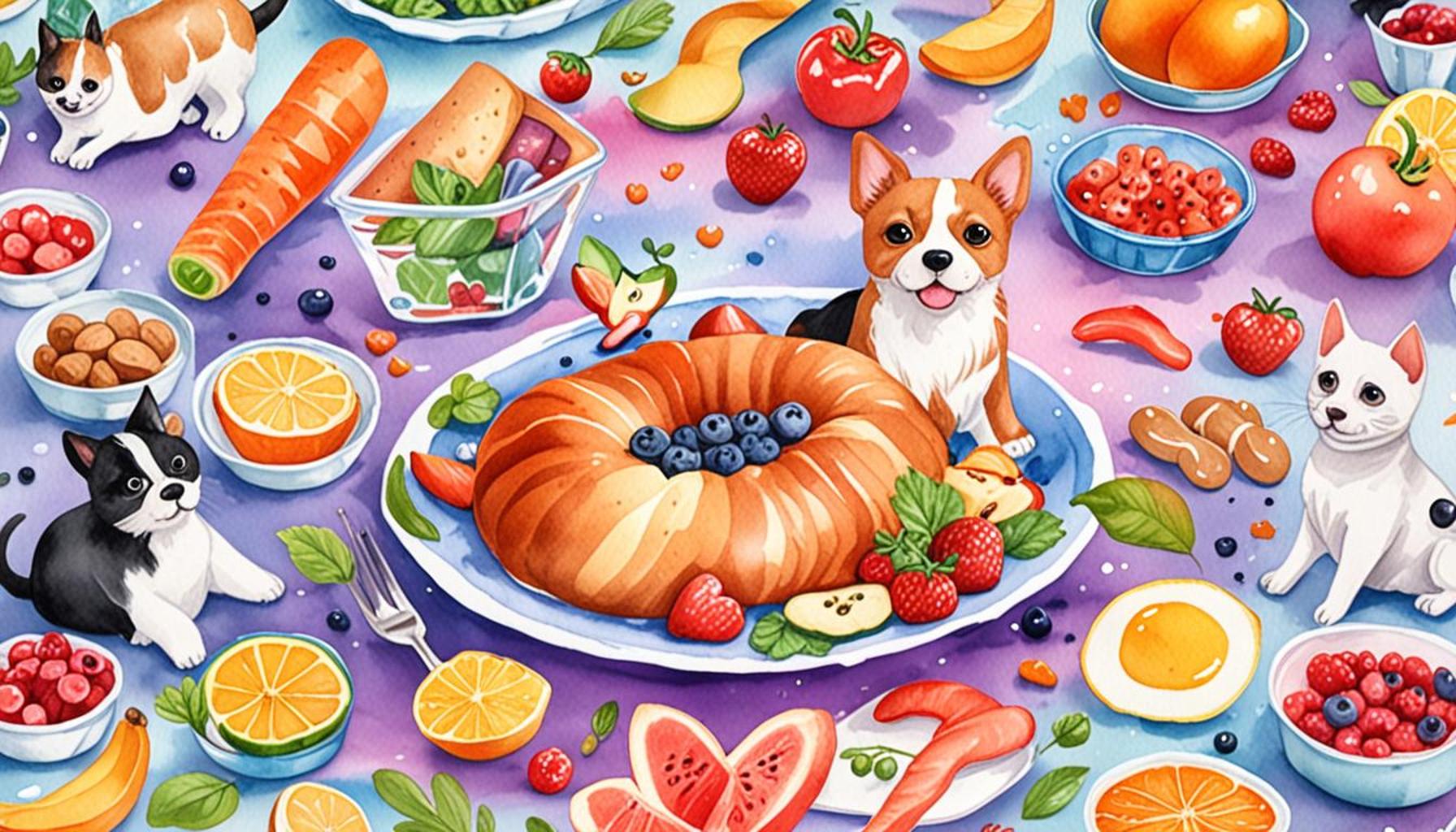
Proper nutrition is a cornerstone of health for pets, impacting everything from their energy levels to their overall longevity. Just like humans, animals require a balanced diet that meets their unique biological needs. The right food not only fuels their bodies, but it also plays a critical role in preventing various health issues.
With an array of pet foods available on the market, it can be challenging for pet owners to navigate their choices. Below are some key factors to consider that underline the significance of proper nutrition:
- Nutritional Balance: Ensuring a combination of proteins, fats, carbohydrates, vitamins, and minerals.
- Life Stage Needs: Understanding that dietary requirements differ for puppies, adult dogs, kittens, and senior pets.
- Specific Health Needs: Tailoring diets to accommodate particular health issues, such as obesity or allergies.
In this article, we will explore the top 5 benefits of maintaining a proper diet for your pets, alongside practical tips to help optimize their nutrition. This journey will empower you to make informed decisions that support your pet’s health and happiness.
Top 5: The Importance of Adequate Nutrition for Pet Health
Pet owners understand that the well-being of their furry friends involves numerous responsibilities, yet one of the most crucial duties is ensuring that pets receive adequate nutrition. Nutrition forms the bedrock of good health, longevity, and general happiness for our animal companions. Let’s thoroughly explore five key aspects that underscore why proper nutrition is essential for your beloved pets.
5. Prevention of Obesity
The prevalence of obesity among pets has become a significant concern, mirroring similar issues faced by humans. Overweight pets are at a higher risk of experiencing various health complications such as diabetes, heart diseases, and osteoarthritis. Feeding your pet a balanced diet tailored to their specific needs is critical in managing their weight and preventing obesity.

For effective weight management in pets, consider the following strategies:
- Portion Control: Consult with a veterinarian to determine the appropriate serving sizes based on your pet’s size, breed, activity level, and age. Overfeeding is a common mistake that can easily lead to weight gain.
- Regular Physical Activity: Ensure that your pet has ample opportunities for exercise through walks, playtime, and other physical activities that are suitable to their abilities and interests.
- Choose the Right Food: Opt for high-quality pet food that is rich in proteins and has a healthy balance of fats and carbohydrates to support energy levels without contributing to unnecessary weight gain.
By adhering to these guidelines, you can help your pet maintain a healthy weight, thus reducing the risk of health issues and enhancing their quality of life.
4. Boosting Immune Function
Your pet’s immune system is its main defense against infections and diseases. The role of nutrition in shaping the strength and effectiveness of the immune response cannot be understated. A diet enriched with necessary vitamins and minerals is pivotal in supporting a robust immune system.
Focus on the following nutrients to bolster your pet’s immunity:
- Vitamins C and E: These antioxidants are vital in protecting cellular health by neutralizing free radicals, thereby preventing cellular damage.
- Omega-3 Fatty Acids: Known for their role in controlling inflammation, omega-3s are instrumental in maintaining overall health and immune function.
- Zinc and Selenium: Both elements are indispensable for optimal functioning of the immune system, facilitating various enzymatic processes that help ward off diseases.
Nurturing your pet’s immune health with nutrition not only aids in disease prevention but also ensures quicker recovery and a vibrant, energetic life.
3. Healthy Skin and Coat
The condition of a pet’s skin and coat is a visible indicator of their overall nutritional health. A diet deficient in essential nutrients can manifest as dry skin, excessive shedding, irritation, and other dermatological problems. Keeping your pet’s skin and coat healthy calls for a comprehensive approach to nutrition.
Key contributors to skin and coat health include:
- Omega-3 and Omega-6 Fatty Acids: These essential fatty acids are crucial in maintaining skin hydration and preventing excessive dryness and flakiness.
- Biotin: This B-vitamin supports healthy hair growth and a glossy coat, playing a significant role in skin health.
- Vitamins A, D, and E: These vitamins facilitate the repair of skin tissues and ensure skin elasticity and resilience.
By providing these nutrients through a balanced diet, your pet not only looks its best but also benefits from improved health and comfort.
2. Supporting Digestive Health
A well-functioning digestive system is paramount for the overall well-being of pets as it directly impacts their ability to absorb nutrients. Ensuring proper nutrition helps maintain a balanced gut microbiome, which is vital for effective digestion and nutrient assimilation.
Important nutritional elements for digestive health include:
- High Fiber Content: Dietary fiber is essential for regular bowel movements and can prevent digestive disorders such as constipation or diarrhea.
- Probiotics and Prebiotics: These components play a critical role in maintaining a healthy bacterial balance in the gut, thereby enhancing the digestive process and strengthening immune defenses.
- Adequate Hydration: Access to fresh and clean water is crucial in supporting digestive processes and preventing dehydration-related health issues.
Focusing on these aspects ensures that your pet’s digestive system functions optimally, facilitating better nutrient uptake and general vitality.
1. Enhancing Longevity and Quality of Life
Ultimately, each of these points contributes to a single overarching benefit: enhancing the longevity and quality of life for pets. Proper nutrition is integral to preventing diseases, managing existing conditions, and ensuring a longer, healthier, and more fulfilling life. A nutritious diet supports increased energy, vitality, and a happier disposition, leading to a more active and engaged pet.
For ensuring that your pet enjoys a long, high-quality life, consider these additional tips:
- Regular Veterinary Check-ups: Routine health checks can help detect any nutritional imbalances or health issues early, facilitating timely interventions.
- Customized Diets: Recognize that each pet is unique, requiring specific dietary solutions tailored to their individual health needs, age, and lifestyle.
- Educate Yourself: Stay informed about pet nutrition trends, scientific findings, and new products that may benefit your pet’s health and well-being.
In conclusion, investing in your pet’s nutrition is one of the most impactful decisions you can make in your journey as a pet owner. By prioritizing their dietary needs, you are not only paving the way for a healthier, more vibrant life but also strengthening the bond you share with your furry friend.
| Category | Details |
|---|---|
| Nutritional Balance | A proper diet ensures that pets receive the essential nutrients needed for their overall health, resulting in a longer lifespan and improved quality of life. |
| Preventive Health | Adequate nutrition can help prevent common health issues, such as obesity, diabetes, and heart diseases, thus lowering veterinary costs in the long run. |
| Enhanced Immunity | A balanced diet rich in vitamins and antioxidants boosts a pet’s immune system, making them less susceptible to infections and illnesses. |
| Digestive Health | Feeding pets a fiber-rich diet promotes better digestion and regular bowel movements, which is essential for overall digestive health. |
Frequently Asked Questions on Pet Nutrition
What constitutes a balanced diet for pets?
A balanced diet for pets includes the appropriate mix of proteins, fats, carbohydrates, vitamins, and minerals. These nutrients should be tailored to fit the specific needs of your pet based on their species, age, weight, and health condition. For example, growing puppies and kittens require more protein compared to adult animals, while senior pets might benefit from diets low in fat but rich in fiber.
How can improper nutrition affect my pet’s health?
Poor nutrition can lead to a myriad of health issues in pets, ranging from obesity and dental disease to more severe conditions like diabetes, liver problems, or heart disease. Specific deficiencies or excesses in nutrients can have targeted effects; for instance, too little calcium can cause bone issues, while excessive calories may result in obesity. It’s crucial to ensure that your pet’s diet aligns with their nutritional requirements.
Can human food be part of an animal’s diet?
While some human foods are safe for pets, many are not and can be toxic. Foods such as chocolate, grapes, onions, and xylitol-sweetened products are particularly hazardous. It’s important to consult with a veterinarian before introducing any human food into your pet’s diet to prevent potential health risks.
Are commercial pet foods sufficiently nutritious for pets?
Commercial pet foods are formulated to meet the nutritional needs of pets; however, the quality and nutritional value can vary significantly between brands and product lines. It’s essential to choose pet foods that meet regulatory standards and offer complete and balanced nutrition, as stated on their labels. In some cases, a veterinarian may recommend supplements to address specific dietary gaps.
Conclusion
As we delve into the complexities of caring for our beloved pets, the importance of adequate nutrition emerges as a central pillar in ensuring their long-term health and well-being. At the heart of this discourse lies the recognition that a well-balanced diet is crucial for preventing diseases, enhancing vitality, and improving the quality of life for our animal companions.
Throughout the exploration of this subject, we’ve highlighted five key takeaways. First, it is clear that differentiating nutritional needs based on species and life stages is vital. Each pet, whether a puppy, kitten, or senior animal, requires individualized dietary considerations to thrive. Additionally, the role of essential nutrients such as proteins, fats, vitamins, and minerals cannot be overstated, as they form the building blocks of a healthy diet.
Equally significant is the impact of nutrition on preventing common health issues like obesity, dental disease, and organ dysfunction. Ensuring pets maintain an appropriate weight through proper portion control and balanced nutrition is paramount in averting these ailments. Further, we explored the growing trend of personalized diets, which align nutritional intake with specific health conditions, tailoring meals to meet individual needs.
The advent of advanced nutritional research presents exciting opportunities, encouraging pet owners to stay informed and adjust feeding habits as necessary. As we continue to learn more about the intricate relationship between diet and health in pets, a proactive approach to nutrition will serve as a foundation for their happiness and longevity.
In conclusion, the decision to provide optimal nutrition is not merely a routine aspect of pet care; it is a deliberate commitment to enhancing the overall well-being of our cherished companions. By fostering informed choices and continually seeking knowledge, pet owners can embark on a journey that enriches not only the lives of their pets but also their own, through a deeper understanding and appreciation of the vital link between diet and health.
Related posts:
The Relevance of Sterilization and Neutering for Animal Health and Well-Being
The benefits of pet adoption: transforming lives in Nigeria
Nutritional Supplements: When and How to Use Them in Pet Feeding
Strategies for Socializing and Training Puppies in an Urban Environment
Preventive Care: Vaccination and Deworming in Pets
Tips for Identifying and Treating Common Allergies in Pets

Linda Carter is a writer and pet care expert specializing in pet health, grooming, and wellness. With extensive experience helping pet owners create safe, loving, and enriching environments for their animals, Linda shares her knowledge on our platform. Her goal is to empower readers with practical advice and strategies to ensure their pets thrive and lead joyful, healthy lives.