The Importance of Proper Nutrition for the Health of Pets
The Essential Connection Between Nutrition and Pet Health
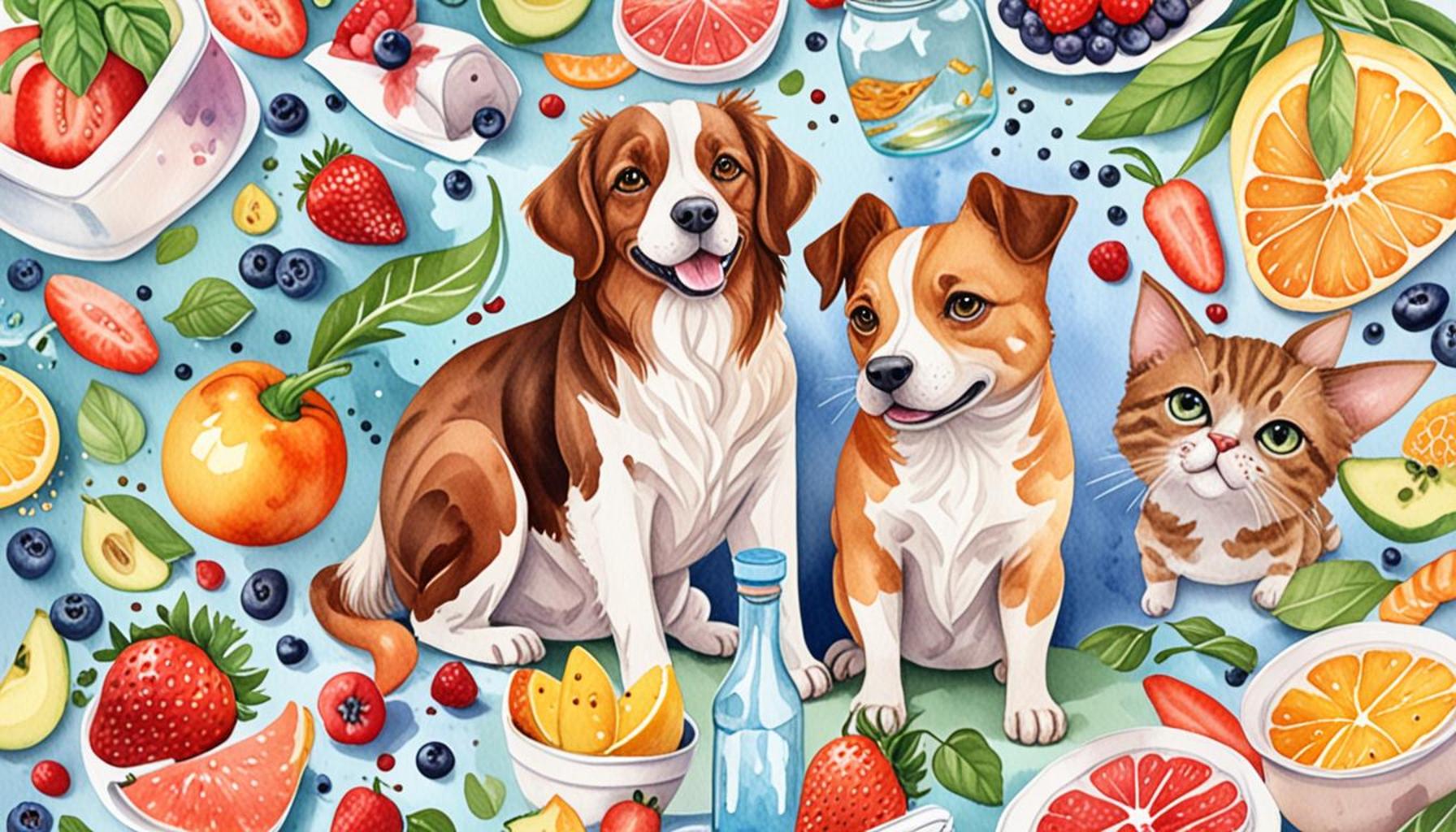
Proper nutrition is a cornerstone of good health for pets, significantly impacting their vitality and longevity. Just as humans thrive on a balanced diet filled with essential nutrients, pets also require a nutritious diet that caters to their unique biological needs. In Nigeria, where pet ownership has surged in recent years, understanding the fundamentals of feeding your furry friends is more important than ever.
A well-planned diet can yield a variety of benefits for your pet. For instance:
- Boost the immune system: Nutrients such as vitamins A, C, and E, alongside fatty acids and antioxidants, are pivotal for bolstering the immune response. A robust immune system helps pets fend off infections and diseases, contributing positively to their overall health.
- Enhance energy levels: Quality proteins and carbohydrates provide the necessary fuel for daily activities. For instance, a dog fed a balanced diet is likely to enjoy a game of fetch for longer periods without fatigue, showcasing its zest for life.
- Support mental health: Just like us, pets can experience mood fluctuations. Nutrients such as omega-3 fatty acids found in fish can promote cognitive function and improve mood stability in pets, making them more interactive and happier companions.
On the contrary, poor nutrition can set the stage for a multitude of health concerns. Inadequate dietary practices may lead to obesity, which is becoming increasingly common among pets in urban areas like Lagos. This excess weight can exacerbate conditions such as diabetes and joint disorders. Similarly, dental diseases can be linked to a lack of proper nutrition that fails to promote healthy teeth and gums.
For pet owners in Nigeria, an understanding of nutrient-rich food is essential. This includes knowledge about ingredients that offer the right balance of proteins, carbohydrates, fats, vitamins, and minerals. Interestingly, many owners are unaware that some common misconceptions prevail around pet feeding. For instance, while sharing table scraps may seem convenient, many leftovers lack the vital nutrients that pets need for optimal health. Low-cost commercial feeds, which may also be prevalent in the market, can contain fillers and artificial ingredients that provide minimal benefits.
Exploring the benefits of high-quality pet food or natural feeding methods, such as raw diets or home-prepared meals, can enhance your pet’s quality of life. These options often ensure that your pets receive ample nutrients tailored to their specific needs. The importance of proper pet nutrition cannot be overstated; it is the key that unlocks a journey toward improved health and well-being for our animal companions.
Ultimately, discovering the essential components of proper pet nutrition can be a transformative experience. It’s more than just feeding; it’s about nurturing a bond with your pet that contributes to their happiness and longevity. As a responsible pet owner, making informed choices about their diet is an invaluable step towards fostering a lively and healthy life for your beloved companions.
RECOMMENDED: Check out this similar article
Understanding Nutritional Needs of Pets
To truly grasp the essence of proper nutrition in our pets’ lives, it’s imperative to understand their specific nutritional requirements. Dogs and cats, as distinct species, have unique dietary needs that stem from their evolutionary backgrounds. Dogs, originally scavengers, require a mix of proteins, fats, and carbohydrates, while cats, being obligate carnivores, thrive predominantly on protein-rich diets. Acknowledging these differences can guide pet owners in making informed dietary choices, ensuring optimal health and well-being for their animals.
The cornerstone of an adequate diet is the incorporation of six essential classes of nutrients:
- Proteins: Proteins are the building blocks for tissues, muscles, and hormones. They play a crucial role in maintaining energy levels and supporting immune function. A diet rich in high-quality proteins from sources such as chicken, beef, or fish can significantly impact your pet’s overall health.
- Fats: Essential fatty acids are vital for skin and coat health, as well as the absorption of certain vitamins. Including sources of omega-3 and omega-6 fatty acids, like fish oil or flaxseed, can help prevent skin ailments and improve the coat’s shine.
- Carbohydrates: While often underestimated, carbohydrates are a significant energy source for pets. Whole grains, fruits, and vegetables provide necessary fiber, which aids in digestion and supports gut health.
- Vitamins: These organic compounds are crucial for metabolic processes. Vitamins A, D, E, and K, along with the B vitamins, play essential roles in maintaining your pet’s vision, energy metabolism, and immune responses.
- Minerals: Minerals such as calcium and phosphorus contribute to bone development and maintenance. They also play a role in nerve function and muscle contraction, making a balanced supply critical for active pets.
- Water: Sometimes overlooked, water is essential for nearly every bodily function. Clean, fresh water should always be available, as dehydration can have severe repercussions on health.
In Nigeria, where many households embrace pet ownership, a common challenge emerges: ensuring that pets receive a balanced diet amidst the plethora of food options available in the market. Many owners may fall prey to marketing gimmicks or purchase lower-cost options that lack the necessary nutrients. This can lead to deficiencies that not only manifest physically but may also affect behavior, energy levels, and overall quality of life.
Moreover, understanding the ingredients listed on pet food packaging is vital. Many commercial pet foods contain fillers and artificial preservatives that provide minimal benefits but can contribute to long-term health issues. By prioritizing nutrient-dense foods and minimizing processed options, pet owners in Nigeria can take significant steps towards enhancing their pets’ health. Informed choices about nutrition pave the way for happier, more energetic, and longer-lived companions.
| Nutritional Balance | Impact on Health |
|---|---|
| Quality Ingredients | Enhances overall vitality and longevity. |
| Daily Nutritional Needs | Supports weight management and digestive health. |
| Variety in Diet | Prevents nutritional deficiencies and promotes interest in meals. |
| Customized Nutrition | Tailored diets for specific health needs can enhance recovery and immune function. |
When focusing on nutritional balance, it’s key to incorporate high-quality ingredients into your pets’ diets. Such ingredients not only enhance overall vitality but can also significantly extend their lifespan. Regularly meeting your pet’s daily nutritional needs plays a pivotal role not only in maintaining optimum weight but also in fostering healthy digestion, keeping your four-legged companions feeling their best.Introducing a variety in diet is essential for keeping pets engaged and satisfied with their meals while preventing potential nutritional deficiencies. Furthermore, adopting a customized nutrition approach—especially for pets with unique health challenges—can lead to improved recovery rates and bolstered immune systems. Proper nutrition is an integral part of ensuring that pets lead longer, healthier, and more fulfilling lives. This direct relationship between diet and health is a fundamental aspect of responsible pet ownership, making understanding proper nutrition essential for all pet enthusiasts.
RECOMMENDED: Check out this similar article
Consequences of Poor Nutrition in Pets
While understanding the nutritional needs of pets is foundational, it is equally important to acknowledge the severe consequences that can arise from poor dietary choices. Malnutrition, whether from deficiency or excess, can lead to a multitude of health problems that undermine a pet’s quality of life. This is particularly pertinent in Nigeria, where lifestyle changes and varying economic conditions may lead to inconsistent feeding practices.
One of the most alarming consequences of inadequate nutrition is the development of obesity. In dogs and cats, excess weight can lead to a host of health issues, including joint problems, diabetes, and heart disease. According to a 2022 survey, almost 60% of pet dogs in urban areas of Nigeria were classified as overweight, primarily due to overfeeding and a lack of exercise. This highlights the need for pet owners to implement portion control and offer balanced meals rather than succumbing to the temptation of treats.
- Dental Problems: Poor nutrition can contribute to dental diseases in pets. A lack of necessary nutrients can weaken gums and tooth enamel, leading to plaque buildup, bad breath, and even tooth loss. Regular dental check-ups coupled with a balanced diet can help mitigate these issues.
- Skin and Coat Issues: Many skin conditions in pets can be traced back to an inadequate diet lacking in essential fatty acids and vitamins. Pets with dry, flaky skin or dull coats may benefit from increased omega-3 and omega-6 fatty acids, which are often absent in generic pet foods.
- Behavioral Changes: Nutrition profoundly impacts a pet’s mood and behavior. Ingredients like sugar and artificial additives found in some processed foods can trigger hyperactivity and anxiety in dogs and cats. Additionally, an imbalanced ratio of nutrients can lead to lethargy and irritability.
Moreover, the ongoing discussion around natural versus commercial pet food in Nigeria highlights the increasing awareness of pet owners regarding nutrition. Many are considering homemade diets, often incorporating local ingredients such as rice, fish, and vegetables. While these can be beneficial, it is crucial to ensure that the meals are well-balanced and meet all of a pet’s nutritional needs. Consulting a veterinarian can provide invaluable insights into formulating these diets correctly.
Pet owners must also be wary of food allergies, which can often be exacerbated by low-quality ingredients. Symptoms such as itching, gastrointestinal disturbances, and recurrent ear infections can indicate food intolerances. Recognizing and addressing these issues promptly can prevent further complications and improve the overall quality of life for pets.
Understanding the ailing consequences of poor nutrition emphasizes the urgency for pet owners to take charge of their companions’ diets. By prioritizing the well-being of their pets through proper nutrition, they not only enhance their quality of life but also nurture the bond of companionship that lies at the heart of pet ownership in Nigeria.
LEARN MORE: This related article may interest you
Conclusion
In summary, the significance of proper nutrition for the health of our pets cannot be overstated. A well-balanced diet not only prevents the dire consequences of poor nutrition—such as obesity, dental issues, and skin disorders—but also fosters overall well-being and longevity. As we have explored, the alarming rise of obesity among pets in urban Nigeria highlights the urgent need for pet owners to be vigilant about feeding practices and to seek out balanced meal options that cater to their pets’ unique needs.
Furthermore, the exploration of homemade diets using local ingredients presents a promising alternative for many families, allowing for greater control over nutritional quality. However, this approach demands a careful understanding of these ingredients to ensure that every essential nutrient is included. Consulting with veterinarians or pet nutrition experts can guide owners in crafting meals that will sustain their companions’ health.
Recognizing the signs of food allergies and intolerances is another critical aspect that pet owners must embrace. By observing their pets for potential adverse reactions to their diets, owners can make informed changes that significantly improve the quality of life for their furry friends.
As responsible pet owners in Nigeria, prioritizing proper nutrition fosters a stronger bond between humans and pets and encourages a happier, healthier future for our beloved companions. By continuing to educate ourselves about their dietary requirements, we pave the way for a pet’s joy and vitality to flourish within our families.
Related posts:
How to Increase Interaction and Bonding with Your Pet Through Play
The Importance of Hydration in Pet Diets: Tips to Ensure Your Pet Drinks Enough
The benefits of pet adoption: transforming lives in Nigeria
Behavioral Training for Dogs Urban Necessity in Nigeria
Preventive Care: Vaccination and Deworming in Pets
Strategies for Socializing and Training Puppies in an Urban Environment

Linda Carter is a writer and pet care expert specializing in pet health, grooming, and wellness. With extensive experience helping pet owners create safe, loving, and enriching environments for their animals, Linda shares her knowledge on our platform. Her goal is to empower readers with practical advice and strategies to ensure their pets thrive and lead joyful, healthy lives.