The Influence of Nigerian Culture on Pet Food Preferences
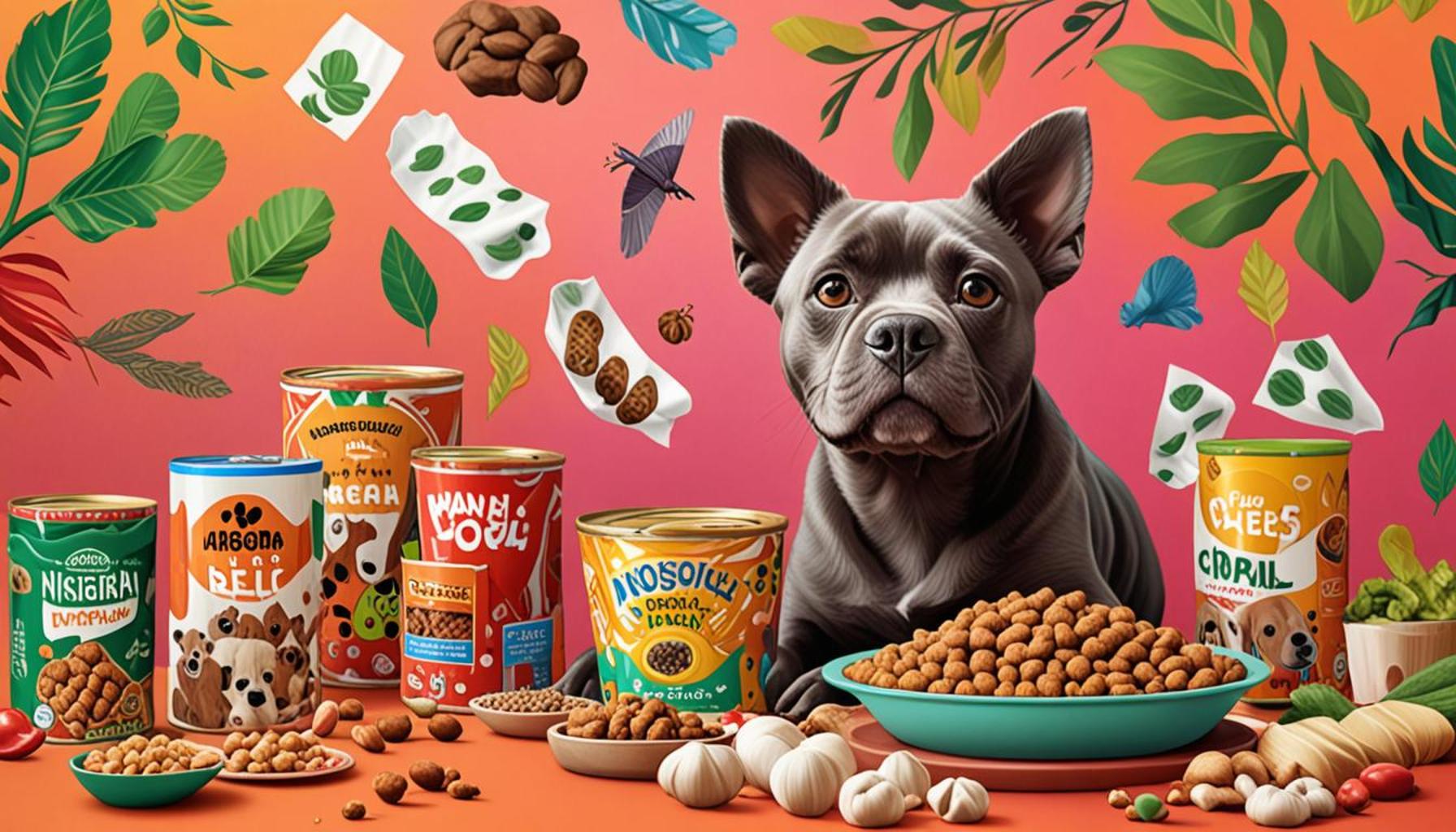
The Interplay of Culture and Pet Nutrition in Nigeria
The relationship between Nigerians and their pets is deeply rooted in cultural traditions, with food choices reflecting the rich heritage of the country. This cultural reverence manifests not only in the human diet but also in the meals prepared for our furry companions. In Nigeria, pet food preferences are significantly shaped by a confluence of local traditions, available ingredients, and dietary practices. This dynamic creates a distinctive pet food market that mirrors the diversity of Nigerian cultures and the values placed upon animal companionship.
Local Ingredients Driving Choices
One of the most compelling factors influencing pet food preferences in Nigeria is the emphasis on local ingredients. Many pet owners opt for familiar and easily accessible components, such as yam, fish, and chicken. For instance, dishes such as fish stew, which is popular in many Nigerian households, are often shared with family pets. Not only does this reflect a practical approach to feeding pets, but it is also a testament to the cultural significance of sharing food within families, regardless of species.
Additionally, ingredients that are typically utilized in traditional Nigerian cooking, like beans and garri, are occasionally incorporated into pet meals. The belief that pets should share in the family’s diet reinforces the idea of inclusivity and companionship.
Influence of Health Beliefs and Concerns
Nigerians often have strong health beliefs that dictate their food choices, and this extends to their pets. Many owners have a preference for homemade pet food over commercial brands. There is a misconception that store-bought pet food may contain harmful preservatives and additives, which has led many to believe that preparing meals at home is not only healthier but also safer for their beloved animals. Homemade diets often include boiled meats and grains, ensuring that pets receive nutrition without the worry of dubious ingredients.
Moreover, seasonal ingredients, like the abundance of fresh vegetables during the rainy season, also influence the type of meals pet owners prepare. This seasonal variability adds to the nutritional diversity of the pets’ diets, thereby affecting their health and well-being.
The Cultural Significance of Food
Certain foods in Nigeria carry immense cultural significance, which also extends to pet food practices. For example, during festive occasions or cultural celebrations, pets are often treated to special meals or offerings that resonate with those events. This nurturing behavior serves to reinforce the bond between the pet and its owner, showcasing a pet owner’s commitment to their pet as a family member.
As the trend of pet ownership continues to rise in Nigeria, understanding these cultural influences on pet food becomes increasingly crucial. Manufacturers, veterinarians, and pet owners alike must recognize how traditional practices can inform healthier, culturally relevant feeding options that cater to the needs of our pets. With an evolving market that reflects these practices, there exists a significant opportunity to fuse traditional dietary wisdom with modern pet care practices.
In conclusion, the profound connection between Nigerian culture and pet nutrition enriches the lives of both pets and their owners, making the exploration of these preferences an intriguing topic worthy of further investigation. As we delve deeper into the world of Nigerian pet food, we uncover the narrative of companionship, tradition, and cultural identity that shapes the meals we provide for our cherished animals.
CHECK OUT: Click here to explore more
Understanding Dietary Choices in Nigerian Pet Ownership
The driving forces behind pet food preferences in Nigeria go beyond mere practicality; they intertwine with the rich tapestry of cultural practices and beliefs prevalent in the nation. In many Nigerian households, pets are regarded as family members, which intrinsically influences the way food is approached. This familial connection translates to a desire for pets to enjoy meals that are not just nutritious but also reflect a sense of belonging within the home.
Tradition Meets Modernity
As Nigeria continues to evolve, the clash between traditional diets and modern pet food options presents a unique dynamic. Many pet owners embrace the traditional role of food as a means of expressing care and love. The practice of incorporating local staples into pet meals, such as:
- Rice – often flavored with spices and served with meats
- Plantains – whether boiled or fried, they provide a delightful treat
- Chicken and Fish – staples that are frequently cooked in households
This blend of traditional cooking with modern pet care highlights the adaptability of Nigerian culture when it comes to feeding pets. Notably, many Nigerians have begun to formulate pet food that rivals conventional options, using ingredients like groundnut (peanut) paste or melon seeds to enrich the nutritional content of meals. This creative approach may also stem from financial considerations, as pet owners seek cost-effective solutions that do not sacrifice quality.
Urban and Rural Dynamics
The distinction between urban and rural living also plays a significant role in shaping pet food preferences. In urban areas, the availability of commercial pet food brands has increased, enticing pet owners with promises of balanced nutrition. However, these products are often perceived with skepticism due to cultural beliefs surrounding food safety and quality. In contrast, rural communities lean heavily on traditional diets, where pets consume leftover human food or are fed custom-prepared meals made from readily available ingredients.
This divergence highlights a compelling cultural narrative: while urbanization influences trends towards convenience and commercialization, the echoes of tradition remain strong, especially in rural settings. Understanding this balance is crucial for those in the pet industry and veterinary fields, as they look to cater to the diverse dietary requirements and preferences of Nigerian pet owners.
Cultural Celebrations and Their Impact
Moreover, the significance of cultural celebrations cannot be overlooked when examining pet food choices. During major festivities, it is customary for families to include their pets in the celebrations by preparing special meals. Such practices not only reinforce familial bonds but also reflect the community’s values regarding animal care. Celebrations like Christmas, Eid, or the New Yam Festival are particularly prominent, where pets might be treated to rich dishes made with meats and local delicacies. This act showcases the societal view that every member, including pets, is worthy of indulgence and respect.
In essence, navigating the intersection of culture and pet nutrition in Nigeria reveals a complex and multifaceted landscape. As trends evolve, the pet food preferences of Nigerians will continue to reflect the enduring bonds of community, family, and tradition, leading to a unique dialogue between past practices and contemporary needs.
The pet food preferences among Nigerians are significantly shaped by traditional values and cultural practices, reflecting a blend of indigenous knowledge and modern influences. One prominent factor is the deep-rooted connection to food that emanates from local culinary customs. In many Nigerian households, pets are considered part of the family, and their diets often mimic traditional human diets, incorporating locally sourced ingredients.
For instance, the use of grains and legumes, staples in Nigerian cooking, can be observed in many pet food formulations. These ingredients not only provide essential nutrients but also resonate with the preferences of pet owners who recognize the importance of a balanced diet informed by cultural practices. Additionally, the increasing awareness of pet health and nutrition among Nigerian pet owners is pushing them to seek products that align with their cultural understanding of food.
Furthermore, the influence of social media and globalization introduces new choices while still privileging locally influenced brands that respect the culinary traditions of Nigeria. As such, many manufacturers are adapting their products to reflect tastes and preferences that resonate with Nigerian consumers, combining the principles of nourishment with a sense of identity and familiarity.
| Cultural Influence | Nutritional Value |
|---|---|
| Traditional ingredients | Rich in essential nutrients |
| Family inclusion | Pets receive balanced diets |
As Nigeria continues to develop economically, the pet food industry is expected to expand, reflecting an increasing sophistication in consumer awareness. Pet owners are not only looking for products that nourish their pets but are also interested in brands that acknowledge and respect the rich culinary heritage of Nigeria. This presents an opportunity for local manufacturers to innovate in ways that resonate deeply with cultural sentiments and changing consumer expectations.
ADDITIONAL INSIGHTS: Expand your understanding here
The Role of Socioeconomic Factors in Pet Nutrition Choices
The relationship between culture and pet food preferences in Nigeria is significantly underscored by economic factors. The socioeconomic status of pet owners often dictates their choices, illustrating the complex interplay between cultural beliefs and financial capabilities. In a country where many households grapple with financial constraints, the quest for affordable yet nutritious options for pets becomes paramount. This scenario leads to a mixture of locally available food and economically viable solutions that favor traditional meals.
Homemade Pet Meals versus Commercial Brands
As mentioned earlier, many Nigerian pet owners are inclined to favor homemade meals. This cultural inclination is further amplified by economic realities. A 2020 survey conducted by the Nigerian Pet Industry Association revealed that over 60% of pet owners prepare food at home, primarily due to the high cost of imported commercial pet food. Homemade meals often feature inexpensive local ingredients such as:
- Beans – rich in protein and easily accessible
- Cassava – a staple root crop, often boiled or blended
- Vegetables such as carrots and spinach – which offer essential nutrients
These ingredients are not only budget-friendly but also resonate with the traditional practices of feeding pets with what is available. While homemade diets sometimes lack the vitamin fortifications found in commercial options, the context of cultural familiarity coupled with fiscal pragmatism often drives pet owners toward these traditional recipes.
The Influence of Local Markets and Communities
In addition to personal choices, community engagement also shapes pet food preferences across Nigeria. Local markets serve as vital hubs not only for grocery shopping but also for exchanging ideas and recipes related to pet nutrition. Markets often showcase a variety of ingredients that reflect regional culinary preferences and also illustrate how pet food choices are influenced by the communal sharing of knowledge.
For instance, in the northern regions where rice is a staple, pet owners may incorporate leftover rice mixed with fresh meats and vegetables, mirroring the meals prepared for families. In contrast, in the coastal regions, the abundance of fish leads to a diet rich in seafood for pets. This is a prime example of how geographic diversity influences dietary habits among pets, showcasing a deep-rooted culture that celebrates local resources.
The Growing Awareness of Nutritious Pet Diets
Despite the traditional focus, there is a growing awareness among Nigerian pet owners about the importance of nutritional balance in pet diets. Educational campaigns by veterinary organizations and pet food companies are gradually shifting perceptions, encouraging owners to consider the health implications of their pets’ diets. As awareness increases, some pet owners are blending local ingredients with commercial pet food, creating a hybrid approach that maintains cultural ties while improving nutritional value.
This gradual evolution reflects a broader trend influenced by increased access to information and changing lifestyles, particularly among the younger generations who are more likely to connect with global trends regarding pet care. The balance between traditional values and modern health awareness then becomes a focal point in shaping the future of pet nutrition in Nigeria.
CHECK OUT: Click here to explore more
Conclusion: The Cultural Fabric of Pet Food Preferences in Nigeria
The exploration of pet food preferences in Nigeria reveals a rich tapestry woven from cultural heritage, economic realities, and evolving notions of pet care. Understanding how Nigerian culture influences pet nutrition provides significant insights into the dietary choices of pet owners across the nation. The prevalence of homemade meals over commercial brands reflects not only a cultural affinity for local ingredients but also a practical response to financial constraints faced by many households. As over 60% of pet owners lean towards preparing meals at home, it echoes a broader narrative of sustainability and resourcefulness inherent in Nigerian society.
Furthermore, the role of local markets and communities cannot be understated, as these hubs serve as crucial points for the exchange of ideas surrounding pet care. From the northern regions with rice influences to the coastal areas where fish dominates diets, the regional diversity showcases the adaptability of pet nutrition to local resources. Coupled with a growing awareness of the importance of nutritional balance, there is a gradual shift towards hybrid diets that blend traditional ingredients with commercial products, bridging cultural practices with modern health recommendations.
As Nigeria continues to evolve in its pet care practices, the cultural foundations remain strong. This unfolding journey highlights not just a shift in preferences but a deepening appreciation for the well-being of pets within a culturally rich framework. The future of pet nutrition in Nigeria is not merely about food; it reflects a profound connection to identity, community, and the ongoing dialogue between tradition and contemporary understanding of animal care.
Related posts:
The Evolution of Pet Nutrition in Nigeria: Challenges and Opportunities
Balanced Diet Benefits for Pet Health in Nigeria Explained
The Role of Herbs and Spices in Pet Nutrition: Benefits and Risks
Natural Foods vs. Commercial Food: What is Best for Your Pet?
How to Identify Food Allergies in Pets and Adjust Their Diet
How to Choose the Right Food for Dogs and Cats at Different Life Stages

Linda Carter is a writer and pet care expert specializing in pet health, grooming, and wellness. With extensive experience helping pet owners create safe, loving, and enriching environments for their animals, Linda shares her knowledge on our platform. Her goal is to empower readers with practical advice and strategies to ensure their pets thrive and lead joyful, healthy lives.