The Relationship between Nutrition and Behavior in Pets
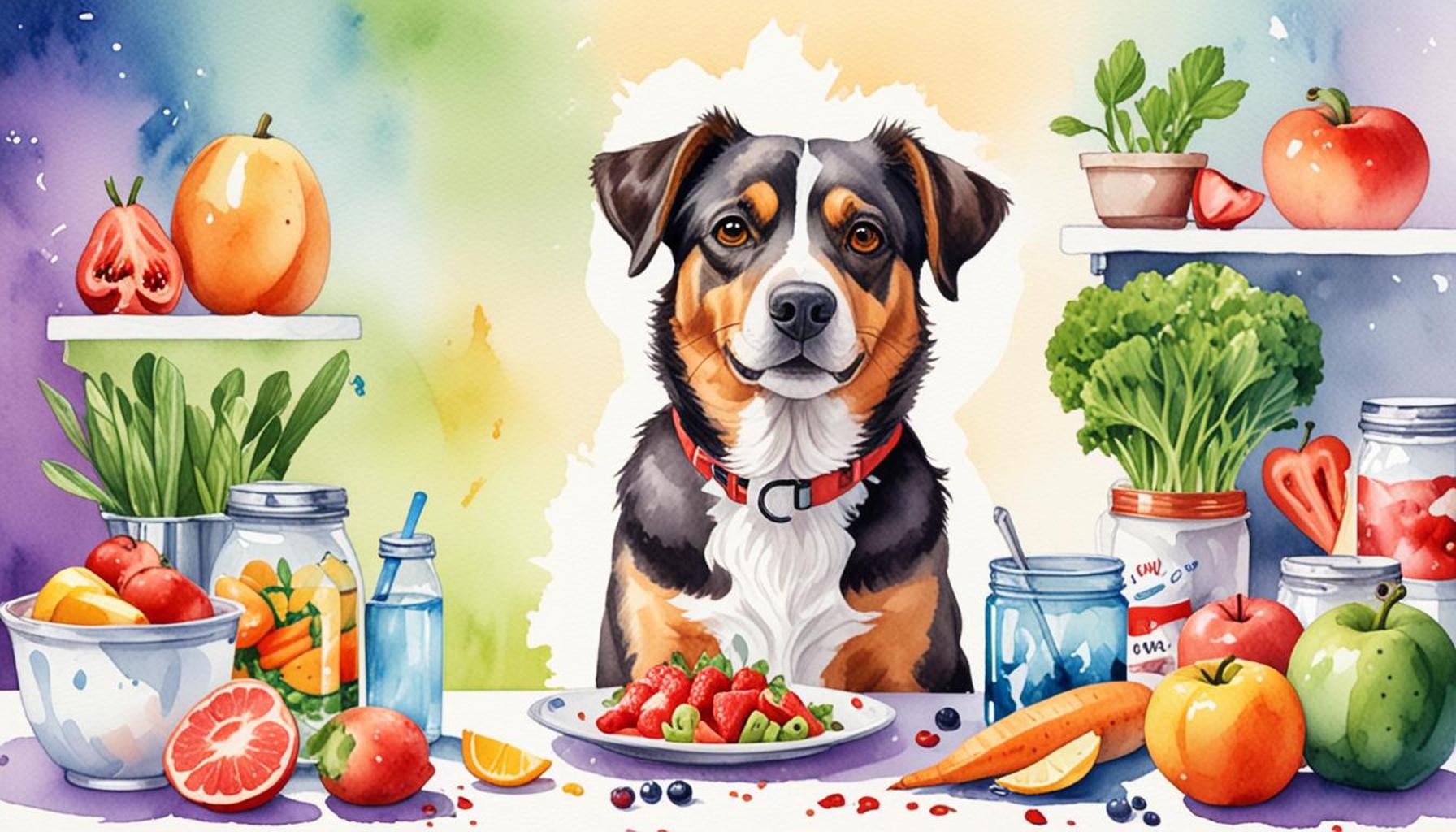
The Nutritional Influence on Pet Behavior
Nourishment transcends mere sustenance; it is the bedrock of health, vitality, and behavioral norms in our pets. Various studies illustrate that the food our animals consume can directly influence their mood, energy levels, and social behaviors. For example, a dog fed commercial kibble high in fillers and low in essential nutrients may appear lethargic and disinterested, while one consuming a well-balanced diet brimming with protein and omega fatty acids is often more active and engaged. This insight encourages pet owners to reevaluate their feeding practices, recognizing the significant role nutrition plays in pet behavior.
Key Factors to Consider
- Diet Quality: The distinction between homemade and commercial foods can have profound implications. Homemade meals prepared with wholesome ingredients can provide balanced nutrition tailored to individual pets, whereas many commercial diets fall short in quality, often containing additives that may be unhealthy.
- Nutrient Balance: A proper balance of essential vitamins and minerals is vital for optimal brain function and emotional health. For instance, a deficiency in vitamin B can lead to restlessness or anxiety in pets, emphasizing the need for a well-rounded diet.
- Food Sensitivities: Just like humans, pets can have various food sensitivities. Ingredients such as grains or certain proteins may cause allergic reactions, leading to behavioral changes such as aggression or withdrawal. Observing your pet’s reactions to different foods is crucial in identifying such sensitivities.
In regions like Nigeria, pet diets may often differ from conventional recommendations. Traditional local foods, such as rice, fish, and chicken, can efficiently supply essential nutrients. However, pet owners must ensure these meals are adequately balanced. For example, while fish may provide omega-3 fatty acids, it should be paired with vegetables to ensure a holistic diet that supports cognitive function and overall behavior.
The Importance of Observation
Close observation of pet behavior can be illuminating. Sudden changes in behavior, such as increased irritability, lack of appetite, or excessive lethargy, may indicate nutritional deficiencies or an imbalance in their diet. In such cases, consulting with a veterinarian can provide personalized dietary guidance, addressing potential issues before they escalate further.
By engaging deeply with the intricate connections between nutrition and behavior in pets, owners can nourish not just their bodies but their minds and spirits as well. In the upcoming discussions, we will delve into various dietary practices tailored to different pet types, unveiling actionable insights that can dramatically improve the well-being of your furry companions in Nigeria and beyond.
LEARN MORE: This related article may interest you
Exploring the Link between Nutrition and Social Behavior in Pets
Understanding the connection between nutrition and behavior in pets is a topic that continues to gain traction among veterinarians, pet owners, and animal behaviorists. At the heart of this relationship lies the undeniable truth that diets rich in beneficial nutrients tend to foster healthier, more sociable pets. This is particularly relevant in diverse environments like Nigeria, where dietary practices often intertwine with cultural food customs.
Firstly, let’s consider essential fatty acids, such as omega-3 and omega-6, which are crucial for maintaining optimal brain health. These fatty acids are not inherently produced by the body and must be acquired through diet. Research indicates that pets receiving adequate omega-3 fatty acids often experience improved mood and reduced stress levels, traits that can significantly enhance their interpersonal interactions. Conversely, diets low in these healthy fats may lead to increased anxiety, making pets more prone to aggression or social withdrawal.
Vitamins and Behavioral Impacts
- Vitamin B Complex: This group of vitamins plays a pivotal role in brain function and emotional well-being. A shortage can manifest as restlessness or anxiety, leading to behavioral issues.
- Vitamin D: Often referred to as the “sunshine vitamin,” its deficiency may contribute to depression-like behaviors in pets.
- Antioxidants: Nutrients like vitamin E and beta-carotene help protect the brain against oxidative stress, which can impact cognitive performance and behavior.
Providing pets with a diet that includes a variety of fruits, vegetables, and whole proteins can effectively supply these vital vitamins. In Nigerian households, for instance, incorporating local vegetables like ugu (pumpkin leaves) or izu (chinese spinach) into meals can enhance the nutritional profile of pet food, promoting both brain function and positive social behavior.
The Role of Feeding Routine
A consistent feeding routine further amplifies the connection between nutrition and behavior. Predictable meal times instill a sense of security in pets, with studies showing that pets thrive on routine. This stability can reduce anxiety, leading to a calmer and more balanced demeanor. In contrast, irregular feeding schedules may induce stress, resulting in negative behaviors such as food aggression or separation anxiety.
As pet owners examine the profound relationship between nutrition and behavior, the insight gained can lead to intentional changes in their pets’ diets and feeding routines. By prioritizing holistic nutrition, pet owners not only provide physical sustenance but also promote emotional well-being, creating happier and healthier companions. The importance of studying these dynamics is especially pronounced in Nigeria, where an understanding of local dietary traditions alongside scientific data can yield tailored care for the nation’s beloved pets.
The Impact of Nutrition on Pet Behavior
Understanding the connection between a pet’s diet and its behavior can illuminate key insights for pet owners aiming to enhance their companion’s quality of life. When considering nutrition, one must recognize that a well-balanced diet is crucial for stimulating not just physical wellness but also cognitive function and behavioral responses in pets.Often overlooked, the inclusion of specific nutrients can directly influence a pet’s mood and activity levels. For instance, omega-3 fatty acids found in fish oil have been shown to support brain health, potentially leading to reduced anxiety and improved social behaviors in dogs. In cats, taurine, an essential amino acid, plays a vital role in maintaining both heart health and proper vision, and it has been linked to a pet’s overall vitality and playfulness.To delve deeper into this topic, let’s examine the interplay of various food types and their effects on behavior. For instance, high-protein diets may promote activity levels, while high-carbohydrate diets can lead to lethargy. Pet owners should consider their pets’ specific needs, as those with higher energy requirements often thrive on foods rich in protein and healthy fats.Additionally, introducing probiotics can aid in gut health, which studies suggest is closely linked to mood regulation in pets. The gut-brain connection in animals operates similarly to that in humans, implying that what pets consume can significantly affect their overall behavior and emotional well-being.As we explore this intricate relationship, we gain an opportunity to improve the lives of our furry companions by tailoring their diets to meet their specific behavioral and emotional needs. Understanding these connections helps pet owners to foster a happier, healthier environment that benefits both pets and their humans alike.
| Nutrition Aspect | Behavioral Impact |
|---|---|
| Omega-3 Fatty Acids | Reduces anxiety and promotes social behavior. |
| High-Protein Diet | Increases energy and activity levels. |
| Probiotics | Improves gut health and supports mood regulation. |
Exploring this relationship between nutrition and behavior opens a pathway to optimize the well-being of pets, making informed dietary choices a critical aspect of responsible pet ownership. The search for the right diet tailored to an individual pet’s needs not only enhances their physical health but also their overall behavior, leading to a fulfilling companionship.
RECOMMENDED: Check out this similar article
The Impact of Nutrition on Cognitive Function and Behavioral Disorders
Beyond social interactions, the relationship between nutrition and behavior extends into cognitive functioning and the management of behavioral disorders in pets. Cognitive decline in pets, often characterized by symptoms similar to human dementia, can be alleviated through dietary interventions. It’s essential for pet owners to recognize that certain nutrients can enhance cognitive performance, ultimately influencing behavior.
One of the Most Critical Nutrients: Proteins
Proteins are integral to a pet’s diet, serving as the building blocks for neurotransmitters—chemicals that transmit signals in the brain. These neurotransmitters are vital for mood regulation and impulse control. A diet rich in high-quality proteins, such as fish, chicken, or local favorites like goat meat, ensures that pets receive the necessary amino acids needed for optimal brain function. In contrast, a protein-deficient diet may lead to behavioral issues such as lethargy, disinterest in play, or disruptions in normal sociability.
Minerals and Their Influence
Vitamins and proteins are not the only dietary components impacting behavior; minerals such as zinc, magnesium, and iron also play significant roles. For instance, zinc is known to influence serotonin levels in the brain, aiding in mood stabilization. Low zinc levels in pets have been linked to aggression and anxiety. In urban Nigerian settings, where pets often scavenge for food scraps, ensuring the inclusion of mineral-rich foods is vital to avoid such deficiencies.
Addressing Behavioral Disorders through Nutrition
Many behavioral disorders in pets, such as anxiety and hyperactivity, can be managed through nutritional strategies. For example, L-theanine, an amino acid found in green tea, has shown promise in promoting relaxation without sedation. This insight is particularly important for pet owners in Nigeria, where the hustle and bustle of daily life might contribute to anxiety in pets. Incorporating foods that are natural sources of L-theanine or investing in supplements can help mitigate anxiety-related behaviors in stressed pets.
Understanding the Effects of Processed Foods
Additionally, a growing body of research points towards the adverse effects of highly processed pet foods. Many commercial pet foods are loaded with fillers and artificial additives, which may contribute to behavioral problems. In Nigerian households, where homemade diets often include native ingredients like cassava or yam, there exists an opportunity to create balanced meals that avoid these detrimental additives. By catering to the nutritional needs of pets through whole foods, owners can foster healthier behaviors and overall well-being.
As the pet population in Nigeria continues to grow, so too should the understanding of how nutrition shapes behavior and cognitive health. The responsibility lies with pet owners to make informed dietary choices to not only enrich the lives of their pets but also to understand the profound impact of those choices on emotional and behavioral outcomes. Emphasizing whole foods and natural nutrients can create a positive feedback loop that enhances not just the health, but also the happiness of our cherished pets.
CHECK OUT: Click here to explore more
Conclusion: Prioritizing Nutritional Choices for Behavioral Health in Pets
In conclusion, the profound relationship between nutrition and behavior in pets highlights the critical role that dietary choices play in enhancing not only physical health but also emotional and cognitive well-being. As evidenced in our exploration, essential nutrients such as proteins, minerals, and specialized compounds like L-theanine are foundational in shaping our pets’ behavior and addressing common behavioral disorders.
Pet owners in Nigeria are uniquely positioned to leverage local ingredients, such as cassava and yam, to create balanced diets that can curb the adverse effects of processed foods laden with additives. This not only nurtures their pets’ bodies but also fosters healthier, more stable behaviors. By considering nutritional strategies, owners can actively participate in their pets’ emotional stability and cognitive function, leading to happier and more engaging companions.
The recommendation is clear: invest in quality nutrition to unlock the full potential of your pet’s behavior. As the understanding of this relationship deepens, pet owners are encouraged to take an active role in their pets’ dietary planning, steering clear of one-size-fits-all commercial solutions and instead embracing a more holistic approach. It is through these informed choices that we can cultivate not just healthier pets but also more harmonious relationships between humans and their beloved animal friends.
As we embark on this nutritional journey, let us remember that the benefits of a well-planned diet extend far beyond mere survival; they pave the way for enriched lives of our treasured pets, inviting us to explore this fascinating intersection of nutrition and behavior further.
Related posts:
The Impact of Nutrition on the Longevity and Quality of Life of Pets
The Importance of a Balanced Diet for Dogs and Cats in Nigeria
Essential Nutrients for Pets: What to Know About Proteins, Carbohydrates, and Fats
How to Choose the Right Food for Dogs and Cats at Different Life Stages
Balanced Diet Benefits for Pet Health in Nigeria Explained
Natural Foods vs. Commercial Food: What is Best for Your Pet?

Linda Carter is a writer and pet care expert specializing in pet health, grooming, and wellness. With extensive experience helping pet owners create safe, loving, and enriching environments for their animals, Linda shares her knowledge on our platform. Her goal is to empower readers with practical advice and strategies to ensure their pets thrive and lead joyful, healthy lives.