Tips for Preparing Nutritious Homemade Meals for Dogs and Cats
Understanding Your Pet’s Nutritional Needs
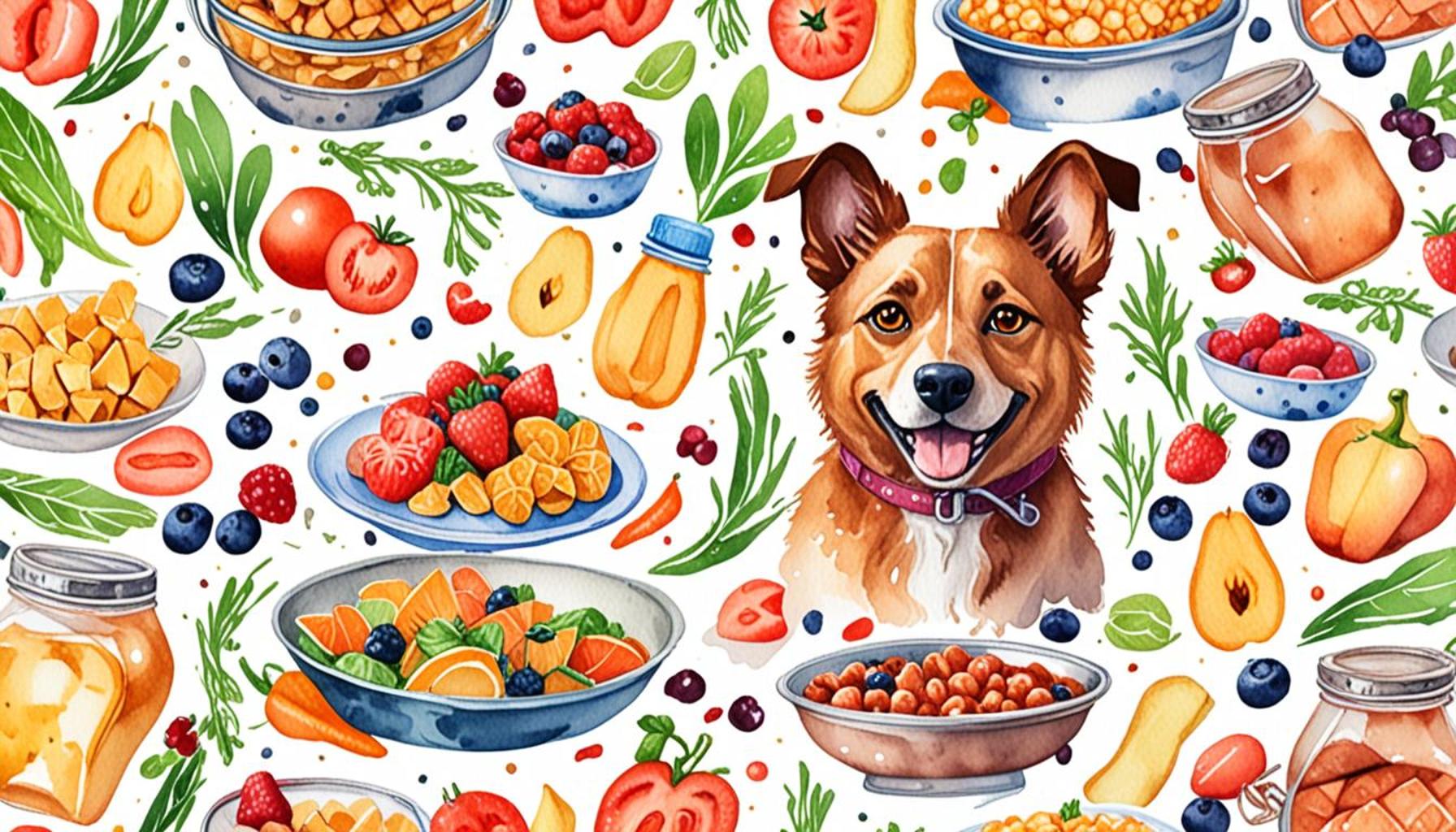
Making homemade meals for your pets not only fortifies the bond you share with them but also ensures that they receive nutritious food tailored to their unique needs. As more pet owners in Nigeria become increasingly aware of the health implications of commercial diets, they are opting for homemade alternatives. Learning how to prepare meals for dogs and cats can significantly enhance their overall well-being and foster a deeper connection between pets and their owners.
Health Benefits of Homemade Pet Food
Preparing homemade meals allows you to take charge of the quality and types of ingredients your pets consume. This level of control is essential because:
- Fresh Ingredients: Utilizing fresh, local produce can boost the nutritional value of your pet’s diet. For example, fresh fish from the coastal areas of Nigeria or locally sourced vegetables can be more beneficial than processed pet foods.
- Allergy Management: Homemade meals enable you to avoid common allergens found in commercial diets, helping manage specific allergies or dietary sensitivities that your pet might have. This is particularly crucial for breeds prone to skin conditions, for instance.
- Balanced Nutrition: It allows you to formulate balanced meals that ensure your pet receives all essential vitamins and minerals, promoting better health and longevity.
Key Ingredients to Consider
When preparing meals for your beloved companions, it’s vital to incorporate a diverse range of ingredients. Here are some key components to consider:
- Proteins: Meat sources such as chicken, beef, or fish are excellent choices. Lean meats are particularly beneficial for maintaining muscle and overall energy levels.
- Vegetables: Incorporating vegetables like carrots, spinach, and sweet potatoes not only provides essential vitamins but also offers fiber that aids digestion.
- Grains: Adding carbohydrates like rice or oats can provide the necessary energy that your pets require for their daily activities.
By understanding which ingredients to include, you can craft nutritious meals that cater specifically to your furry friends’ dietary needs. Moreover, exploring local markets for fresh produce can inspire creativity in meal preparation while supporting local farmers. This article will guide you through practical tips for preparing healthy, homemade meals that can ensure your dogs and cats remain not only happy but also healthy. As you embark on this rewarding culinary journey for your pets, remember that changes in diet may take time for them to adjust, so introduce new meals gradually for the best results.
SEE ALSO: Click here to read another article
Essential Preparation Techniques for Nutritious Meals
While the idea of preparing homemade meals for your pets can be exciting, it’s important to calibrate your cooking techniques to ensure the dishes you create are both safe and healthy. Here are several essential preparation techniques that cater specifically to the needs of dogs and cats.
Cooking Methods
The way you cook your ingredients can significantly affect the nutritional value of the final meal for your pets. Here are some recommended cooking methods:
- Steaming: Steaming vegetables preserves their vitamins and minerals better than boiling. For instance, steaming carrots or broccoli before serving them to your dog can retain more of their health benefits.
- Baking: Baking meats such as chicken or fish is a great way to keep the flavors intact without the need for excess fats. Ensure you remove any bones, especially from fish, as they can become a choking hazard.
- Boiling: Boiling can be effective but should be done with caution. For grains like rice or oats, this method works well, but avoid overcooking vegetables as they can lose important nutrients.
- Raw Feeding: Some pet owners advocate for a raw diet based on the belief that it mirrors a more natural eating pattern for pets. However, it’s crucial to do thorough research and consult with a veterinarian before adopting this method, as certain raw foods can pose health risks.
Understanding Portion Sizes
Determining the right portion size is crucial to ensure your pets receive the right balance of nutrients without overfeeding or underfeeding them. Factors such as your pet’s age, weight, activity level, and overall health status should play a significant role in portion control. Here are a few guidelines to consider:
- Age and Weight: Puppies and kittens require more calories relative to their size compared to adult pets, which means their portions should be adjusted based on age.
- Activity Level: Highly active pets will need additional calories and nutrients compared to sedentary pets. Tailoring meals to match their energy levels is essential for maintaining a healthy weight.
- Consultation: Always consider speaking to a veterinarian or a pet nutritionist to help establish the correct portion size for your specific pet based on their particular needs.
Remember, when transitioning your pets to homemade meals, it’s important to make changes gradually to avoid digestive upset. Start by mixing a small amount of homemade food with their commercial diet and gradually increase the homemade proportion. This thoughtful approach not only ensures a smooth transition but also helps you assess how well your pets adapt to the new diet.
With proper preparation techniques and an understanding of your pets’ specific needs, you can create delicious and nutritious homemade meals that they will love, while also maintaining their health and vitality.
| Advantage | Description |
|---|---|
| Quality Control | Homemade meals allow pet owners to control the quality and source of ingredients, ensuring they are free from additives and preservatives. |
| Customization | Pet owners can tailor meals to the specific dietary needs and preferences of their dogs or cats, enhancing overall satisfaction and health. |
| Cost-Effectiveness | Preparing meals at home can be more economical than purchasing high-quality commercial pet foods. |
| Nutritional Benefits | Homemade meals can be richer in nutrients and tailored to the specific health needs of pets, supporting their longevity and vitality. |
When considering the advantages of making nutritious homemade meals for your pets, it is essential to include a variety of proteins, vegetables, and healthy fats. Lean meats, fish, carrots, peas, and sweet potatoes can be great choices. Remember to consult your veterinarian to ensure that your dog’s or cat’s nutritional needs are fully met. By doing so, you’ll provide them not only with delicious meals but also with meals designed for their well-being. Pet owners often find that their furry friends have improved digestion and energy levels after switching to freshly prepared diets. Experimenting with flavors and textures will also keep mealtime exciting for your beloved companions.
YOU MAY ALSO LIKE: Read read another article
Ingredient Selection for Optimal Nutrition
Creating a balanced and nutritious meal for your pets starts with the selection of the right ingredients. Just as humans thrive on a variety of foods, so do our furry companions. Here are some essential tips for choosing the best ingredients for homemade meals:
High-Quality Proteins
Protein is a critical component of your pet’s diet, aiding in growth, development, and overall health. Select high-quality protein sources, such as:
- Lean meats: Chicken, turkey, and beef are excellent options. It’s best to use lean cuts to minimize additional fats that could lead to obesity.
- Fish: Fish like salmon or sardines are rich in omega-3 fatty acids, promoting healthy skin and coat. Ensure that fish is cooked and bones are removed prior to serving.
- Legumes: Beans and lentils can be good protein sources for pets, particularly for vegetarian diets. However, they should be properly cooked and served in moderation to prevent digestive issues.
Healthy Carbohydrates
Carbohydrates provide essential energy for your pets. Including healthy carbs in their meals is crucial for balanced nutrition. Consider these options:
- Brown rice: A digestible grain that offers energy and is often less likely to cause digestive discomfort than white rice.
- Sweet potatoes: Packed with vitamins and fiber, sweet potatoes can be a delicious addition and are generally well-tolerated by dogs and cats alike.
- Oats: Oats are a great source of fiber and can be an excellent alternative for pets that may have grain sensitivities.
Fresh Vegetables and Fruits
Incorporating vegetables and fruits is essential for providing your pets with vital vitamins, minerals, and antioxidants. However, be cautious about which ones you choose, as some can be harmful. Here are some pet-friendly options:
- Carrots: Crunchy and sweet, carrots provide a good source of beta-carotene and can also help maintain dental health.
- Green beans: A low-calorie snack that many dogs enjoy. They are rich in fiber and vitamins.
- Blueberries: Rich in antioxidants, blueberries are safe and beneficial in small amounts for both dogs and cats.
While many fruits and vegetables can be beneficial, it’s crucial to research which ones are safe. For example, grapes and onions are toxic to pets and should be avoided entirely.
Supplements and Additives
Depending on your pet’s specific health needs and dietary restrictions, you may need to consider supplements to ensure they’re getting a balanced diet. Always consult with a veterinarian before adding supplements to your pet’s meals. Some common supplements include:
- Fish oil: Helps promote healthy skin and coat.
- Calcium supplements: Particularly important for pets on home-cooked diets to support bone health.
- Vitamins: In some cases, multivitamins can help bridge nutritional gaps in homemade diets.
By focusing on high-quality ingredients, varied textures and flavors, and consulting with a veterinarian, you can create nutritious homemade meals that will delight your pets and meet their health needs. Always be attentive to your pet’s reactions to new ingredients to ensure that their meal transition is worry-free and beneficial.
CHECK OUT: Click here to explore more
Conclusion: Embracing Homemade Nutrition for Your Pets
In conclusion, preparing nutritious homemade meals for your dogs and cats can be a rewarding experience that enhances not only their health but also the bond you share. Armed with knowledge about ingredient selection, you can ensure that your pets receive balanced meals tailored to their unique nutritional needs. By incorporating high-quality proteins, wholesome carbohydrates, and fresh fruits and vegetables, you can create delicious recipes that keep their taste buds excited and their bodies thriving.
However, it’s essential to approach this culinary venture with care; understanding the potential risks associated with certain food items, such as onions or grapes, is paramount. Moreover, consulting with a veterinarian can offer valuable insights into any necessary supplements your pets may require. In a country like Nigeria, where access to diverse ingredients can vary, creatively utilizing local produce and meats can enrich your pet’s diet while supporting local agriculture.
As you embark on this journey, keep in mind that each pet is unique. Monitoring their response to homemade meals is crucial in ensuring they enjoy what they eat and remain healthy. By fostering a nourishing and loving meal environment, you not only address their dietary requirements but also elevate their overall quality of life. So why not get started today? Your pets are waiting to taste the love you put into each and every meal!
Related posts:
The Relevance of Sterilization and Neutering for Animal Health and Well-Being
Tips to Prepare Your Home Before Adopting a Pet in Nigeria
How to Choose the Right Toy for Your Pet
The Benefits of Animal-Assisted Therapy for Mental Health
The benefits of pet adoption: transforming lives in Nigeria
The Importance of Proper Nutrition for the Health of Pets

Linda Carter is a writer and pet care expert specializing in pet health, grooming, and wellness. With extensive experience helping pet owners create safe, loving, and enriching environments for their animals, Linda shares her knowledge on our platform. Her goal is to empower readers with practical advice and strategies to ensure their pets thrive and lead joyful, healthy lives.